
The Soul of the Earth: Understanding the Emotional Resonance of Landscape Art
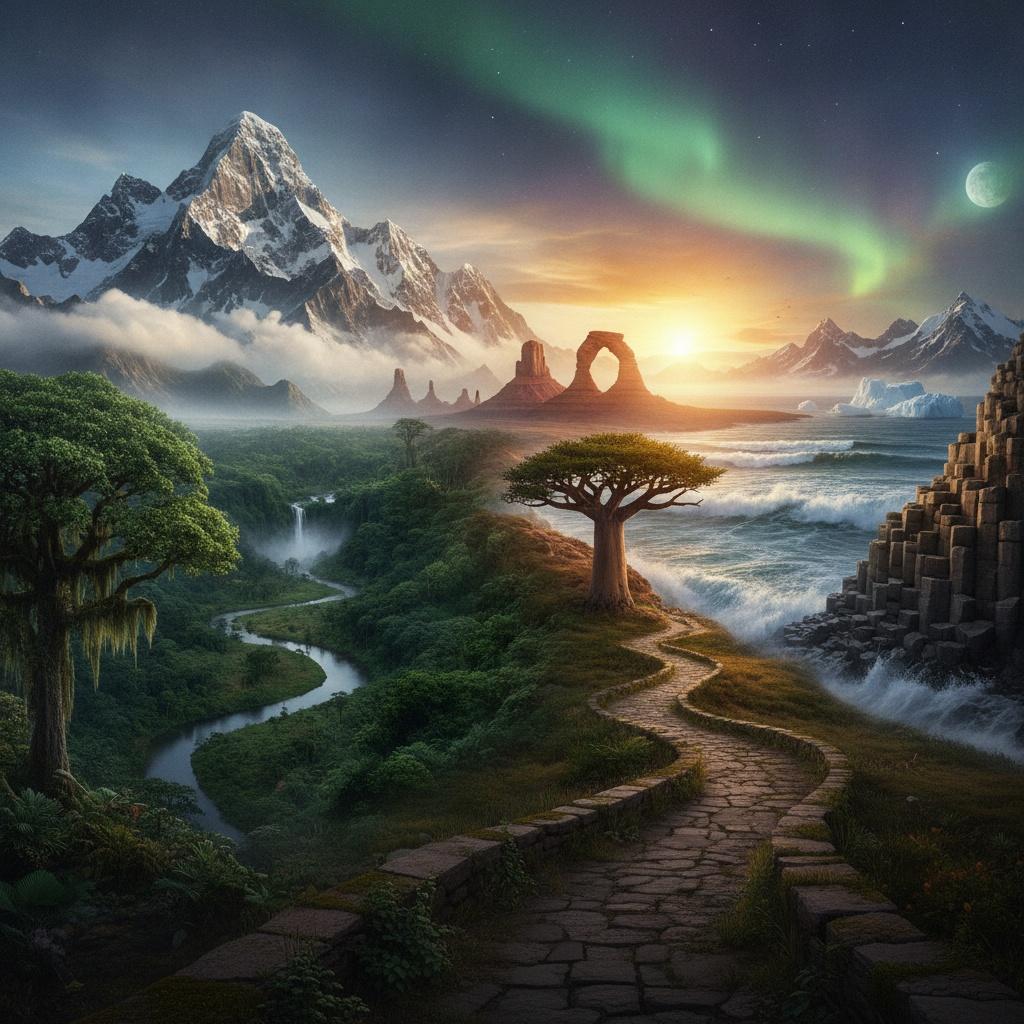
To gaze upon a landscape painting is to engage in a silent dialogue with the earth itself. Beyond the mere depiction of trees, mountains, or rivers, the true essence of this genre lies in its ability to evoke profound human emotion. For centuries, artists have sought not just to map the terrain, but to capture the spirit of a place—the quiet melancholy of a fading twilight or the exuberant vitality of a spring morning. This emotional resonance is what transforms a simple vista into a masterpiece that speaks to the soul of the viewer.
The landscape serves as a mirror for our internal landscapes. When we encounter a work that captures the vastness of a valley, we are often confronted with our own sense of insignability and wonder. This connection is deeply rooted in the human experience; we recognize the rhythms of nature as the rhythms of our own lives. Through the careful application of color and composition, masters of the genre have learned to translate the intangible feelings of peace, longing, and awe into a visual language that transcends time and culture.
Light and Atmosphere: The Impressionist Revolution in Natural Vistas
The history of landscape art underwent a seismic shift with the advent of Impressionism, a movement that forever altered our perception of light and atmosphere. Before this revolution, landscapes were often treated as structured, almost theatrical stages. However, artists like Gustave Caillebotte began to look closer at the fleeting moments of reality. In works such as Landscape near Yerres, we see a departure from rigid outlines toward a more fluid, vibrant celebration of color and light. The focus shifted from the permanent object to the ephemeral effect of sunlight dancing upon water or filtering through leaves.
This era introduced a revolutionary way of seeing, where the brushstroke itself became an instrument of atmosphere. By using broken color and rapid, visible strokes, Impressionists could simulate the shimmering quality of heat or the damp chill of mist. This technique allowed the viewer to feel the movement of the air and the shifting temperature of the day. It was no longer about documenting a static scene, but about capturing a sensory experience—a momentary glance caught in oil and pigment that breathes with the vitality of the living world.
Serenity and Solitude: Exploring Coastal and Pastoral Tranquility
There exists a particular subset of landscape art dedicated to the pursuit of stillness. These works act as sanctuaries for the modern viewer, offering a respite from the cacophony of contemporary life. The coastal scenes, such as those found in the delicate works of Frans Helfferich, utilize soft, impressionistic brushwork to evoke a sense of profound tranquility. In these paintings, the gentle movement of a canal or the rhythmic lapping of waves against a shore invites a meditative state, drawing the observer into a world where time seems to slow its frantic pace.
Similarly, pastoral landscapes celebrate the quiet dignity of the countryside. These compositions often feature balanced, harmonious arrangements that suggest a symbiotic relationship between humanity and nature. The presence of a distant farmhouse or a winding path through a meadow provides a sense of familiarity and safety. In these serene vistas, solitude is not presented as loneliness, but as a precious opportunity for reflection. The artist invites us to step into the frame, to breathe in the imagined scent of clover and damp earth, and to find peace in the enduring simplicity of the natural order.
The Sublime and the Dramatic: Capturing Nature's Untamed Power
In stark contrast to the tranquil pastoral lies the concept of the Sublime—an aesthetic experience characterized by a mixture of awe and terror. This movement sought to depict the overwhelming, untamed power of the natural world, where mountains loom like giants and storms threaten to consume the horizon. Edvard Munch’s Landscape: Maridalen by Oslo serves as a poignant example of how landscape can convey deep, often turbulent, psychological states. Here, the landscape is not merely a setting but a protagonist, capable of reflecting the intensity of human passion and existential dread.
Timeless Textures: How Master Artists Recreate the Natural World
The magic of a true oil painting lies in its tactile dimension. Unlike the flat surface of a digital print, a hand-painted reproduction possesses a physical depth that mimics the textures of the earth itself. Great masters utilized techniques like impasto—the thick, sculptural application of paint—to give weight to rocks, roughness to bark, and frothy substance to sea foam. This interplay of light and shadow across the raised surface of the canvas creates a dynamic experience, where the painting changes subtly as the viewer moves around it.
The longevity of these textures is preserved through meticulous craftsmanship. The use of high-quality materials, such as 100% cotton canvas and specialized oils like safflower to prevent yellowing, ensures that the artist's original intent remains vibrant for generations. When we appreciate the visible brushstrokes and the rich tonal range of a masterwork, we are connecting with the physical labor and the creative passion of the artist. It is this tangible connection to the medium that allows a landscape to transcend being a mere image and become a living, breathing window into another world.
Curating Your Own Horizon: Bringing Iconic Landscapes into the Modern Home
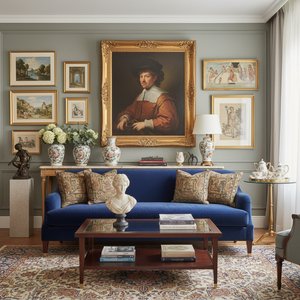
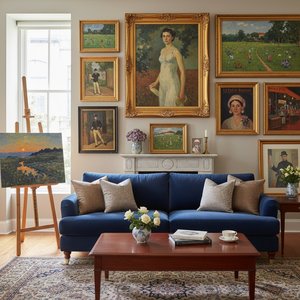
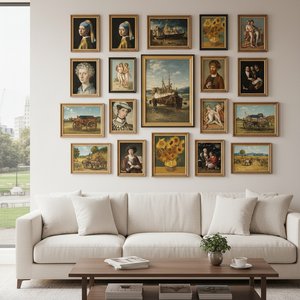
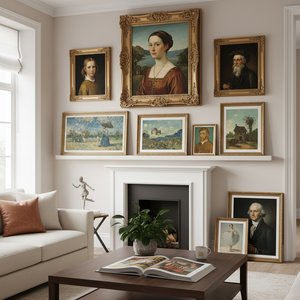
Integrating fine art into a contemporary interior is an act of curation that defines the character of a space. A large-scale landscape, perhaps a multi-panel set spanning a grand wall, can serve as a breathtaking focal point, expanding the perceived boundaries of a room and bringing the outdoors in. For the discerning collector, the choice of art should be a reflection of personal values and aesthetic sensibilities—whether that be the light-drenched optimism of an Impressionist garden or the dramatic intensity of a Nordic vista.
At ArtsDot.com, we believe that the beauty of the Old Masters and the great Impressionists should be accessible to all. Our mission is to preserve human creativity by providing museum-quality, hand-painted reproductions that honor the original artist's technique. From custom commissions that transform personal memories into masterpieces to large-format murals that recreate historical grandeur, we offer a bridge between the timelessness of art history and the elegance of modern living. Whether you are seeking a single statement piece or a complete gallery wall, our expert consultants are here to help you curate a collection that inspires wonder every time you look toward the horizon.