


The Essence of Minimalism: Finding Serenity Through Curated Simplicity
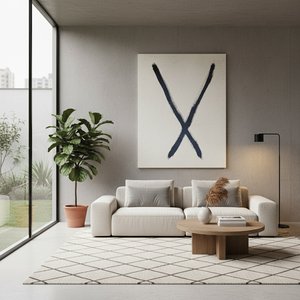
In the frantic cadence of modern existence, the home has evolved into more than a mere residence; it has become a sanctuary of intentionality. The minimalist movement, far from being an exercise in austerity, is a profound celebration of what remains when the superfluous is stripped away. To master minimalism is to understand that every object within one’s orbit should possess a purpose, a soul, or a story. It is an invitation to breathe, allowing the eyes to rest upon surfaces that are not cluttered by noise, but rather enriched by quietude. This philosophy of curated simplicity demands a discerning eye, favoring the quality of a single, breathtaking piece over a multitude of transient decorations. When we embrace the power of less, we create a landscape where light can dance and thought can wander freely, transforming a house into a curated gallery of peace.
This pursuit of serenity is not about emptiness, but about the presence of meaning. By selecting art that resonates with our inner equilibrium, we anchor our spaces in a sense of permanence. The true luxury of minimalism lies in this very restraint—the ability to choose one masterpiece that speaks volumes, ensuring that the visual narrative of our homes remains elegant, unclime, and deeply personal.
Sculptural Statements: Integrating Geometric Forms and Three-Dimensional Textures
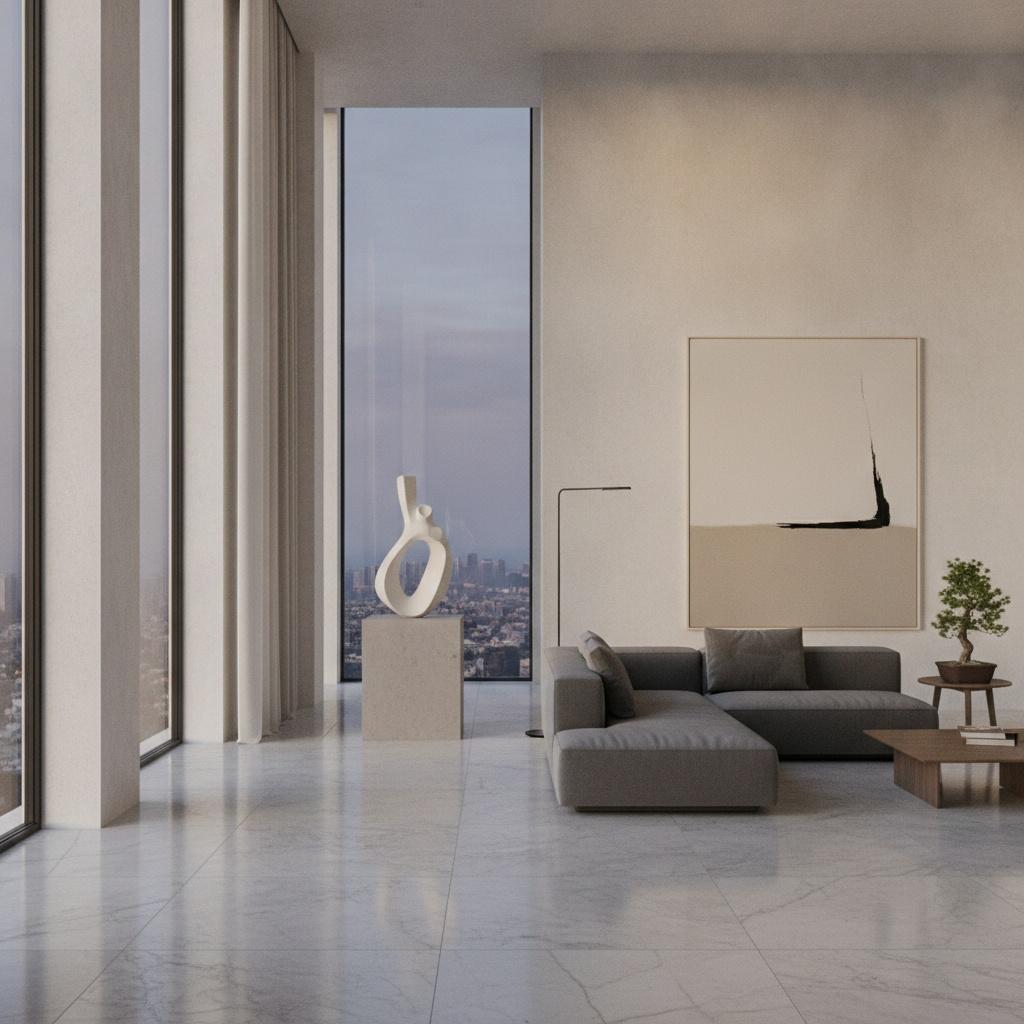
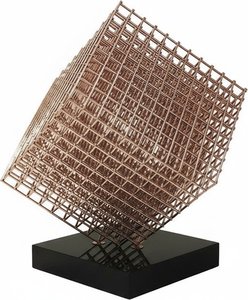
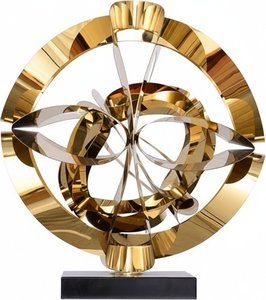
To introduce depth into a minimalist environment, one must look beyond the two-dimensional plane. Sculpture serves as the heartbeat of a modern interior, providing a tactile dimension that breaks the flatness of walls and floors. Consider the striking impact of geometric forms; a mid-century modern sculpture, much like the works of Emilio Tadini, utilizes clean lines and directional lighting to command attention without overwhelming the room. These pieces act as anchors, their glossy textures and structured silhouettes creating a sophisticated dialogue with the surrounding architecture. When we integrate three-dimensional elements, we invite the viewer to engage with the space from multiple perspectives, noticing how shadows shift across a metallic surface as the day progresses.
The interplay of material and form is where the magic of minimalism truly resides. An elegant iron violin sculpture or a stainless steel geometric wall hanging—perhaps featuring gold accents or Islamic-inspired symmetry—can elevate a living room from mere decor to an exhibition of fine taste. These objects do not merely occupy space; they define it. The precision of laser-cut metal or the heavy, textured presence of a hand-painted impasto canvas provides a sensory richness that compensates for the lack of color density. In this way, texture becomes our primary language, allowing us to communicate complexity through the subtle variations of light and shadow.
The Art of the Palette: Using Neutral Tones and Monochromatic Depth to Define Space
Color is perhaps the most potent tool in the minimalist’s repertoire, yet its use requires a delicate touch. A sophisticated palette often leans toward the ethereal—creams, soft greys, and warm beiges—creating a cohesive atmosphere that feels expansive and light-drenched. However, minimalism does not necessitate a lack of color; rather, it calls for monochromatic depth. By layering different shades of a single hue, one can create a sense of movement and rhythm within a room. This technique prevents a space from feeling sterile, instead imbuendo it with a velvety richness that feels both modern and timeless.
The secret to success lies in the nuance of pigment and the quality of light. When working with neutral tones, the subtle distinction between a cool slate and a warm taupe can entirely alter the mood of an interior. This is why the choice of art is so critical; a painting that utilizes light-drenched Impressionist techniques or a piece with gold-leafed accents can act as a luminous focal point within a muted room. By focusing on tonal harmony, we allow the architecture to shine, using color not as a distraction, but as a way to sculpt the very air within our homes.
Intentional Composition: Balancing Negative Space with Singular Masterpieces
In the realm of high-end design, negative space is not "empty" space; it is a deliberate compositional element. It is the silence between notes in a symphony, providing the necessary pause that allows the melody to be heard. In a minimalist interior, the placement of art must be an act of profound intention. A single, large-scale canvas placed on a vast, unadulpted wall creates a powerful tension, drawing the eye toward the artwork and forcing a moment of contemplation. This balance prevents the eye from becoming fatigued by too many competing focal points, instead guiding the viewer through a curated journey of visual discovery.
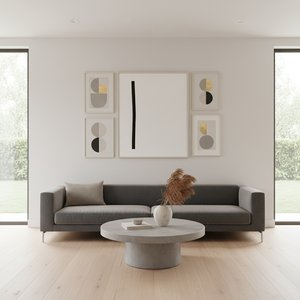
Achieving this balance requires an understanding of scale and proportion. A small print lost on a large wall can feel accidental, whereas a well-proportioned masterpiece—perhaps a multi-panel set that flows across a staircase—can transform the architectural flow of a home. The goal is to create a sense of equilibrium where the art and the architecture exist in a symbiotic relationship. When we respect the void, we allow our most cherished pieces to truly breathe, ensuring that their presence is felt with maximum impact.
Beyond the Frame: Merging Minimalist Art with Architectural Elements and Modern Decor
The final frontier of minimalist mastery is the seamless integration of art into the very fabric of the home. True sophistication is achieved when the boundary between decor and architecture begins to blur. This can be realized through breathtaking large-format murals or ceiling frescoes that recreate historical grandeur within a contemporary setting, much like the Sistine Chapel reimagined for a modern hotel or luxury residence. Such works do not sit on the wall; they become the wall.
Furthermore, the integration of custom elements—such as extended canvas wraps that continue around the edges of furniture or bespoke framing in gold leaf and espresso—ensures that the art is an inseparable part of the room's DNA. Whether it is through the use of modern materials like stainless steel or the revival of classical oil techniques, the ultimate aim is a cohesive environment where every element, from the floor to the ceiling, contributes to a singular, elevated vision of beauty. When art, architecture, and decor move in unison, the result is a space that transcends trends, offering a timeless experience of luxury and grace.
At ArtsDot.com, we specialize in bringing this vision of sophisticated minimalism to life. From bespoke oil reproductions that capture the tactile soul of the Old Masters to modern geometric sculptures and custom commissions, our mission is to help you curate a home that reflects your highest aesthetic aspirations. Whether you are seeking a single transformative piece or a large-scale architectural mural, our global team of expert artists and consultants is dedicated to the art of perfection.