The Aesthetic of Silence: Defining Minimalism in Luxury Hospitality
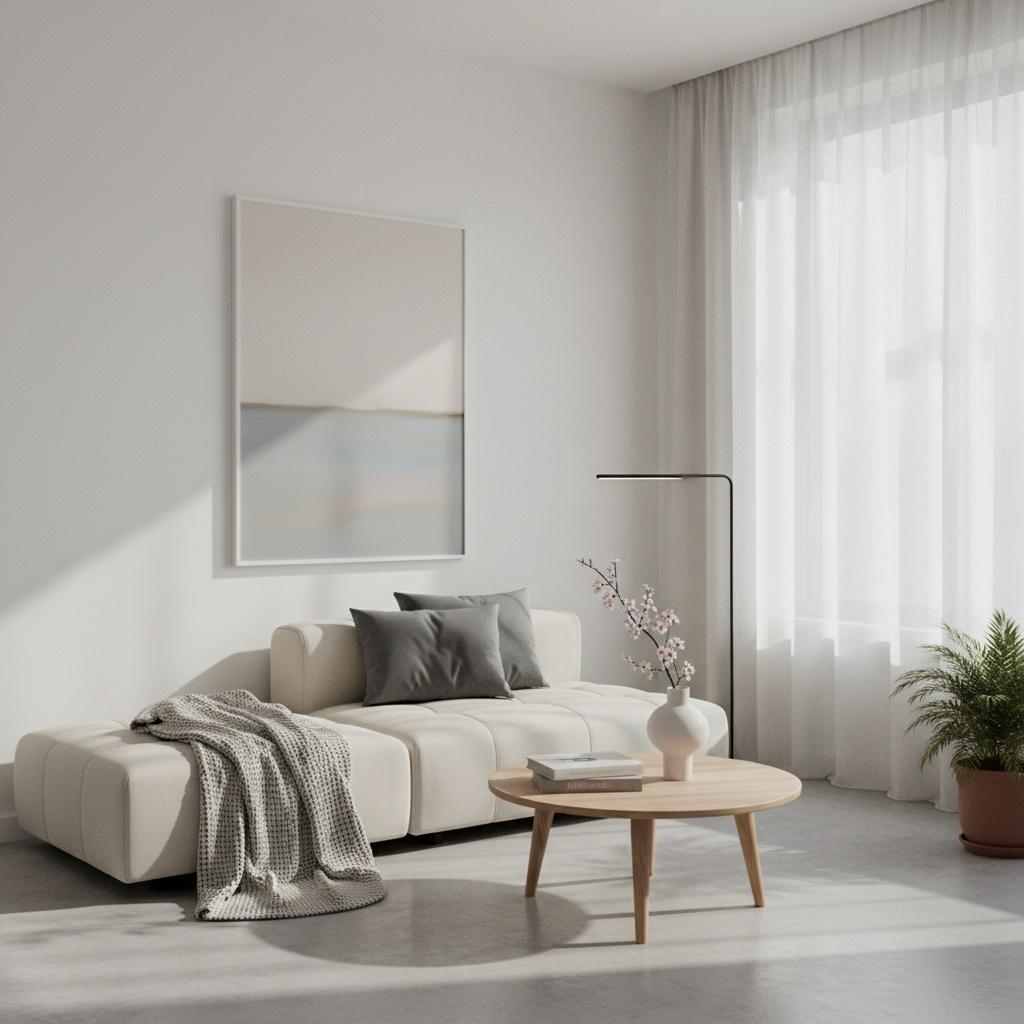
In the high-stakes realm of luxury hospitality, where every sensory detail is meticulously choreographed to evoke a sense of prestige, there exists a profound movement toward what can only be described as the aesthetic of silence. For the modern hotel designer, minimalism is far more than the mere absence of clutter; it is a deliberate, architectural choice to utilize space as a medium for tranquility. In an era defined by digital saturation and constant noise, the most prestigious interiors are those that offer a visual sanctuary. By stripping away the superfluous, we allow the architecture itself to breathe, creating an atmosphere where luxury is felt through stillness rather than seen through excess.
This minimalist philosophy relies heavily on the concept of intentionality. Every line, every shadow, and every void within a hotel lobby or executive suite must serve a purpose. When a designer embraces the power of less, they are not creating emptiness; they are curating an experience of clarity. This approach invites the guest to pause, to decompress, and to engage with the environment on a deeper, more contemplative level. It is through this curated restraint that a space transcends being merely a place of lodging and becomes a destination of profound psychological repose.
Sculptural Precision: Integrating Geometric Metalwork and Modern Forms
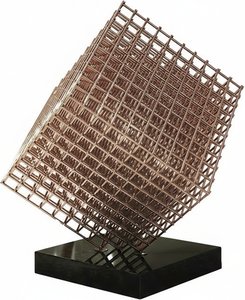
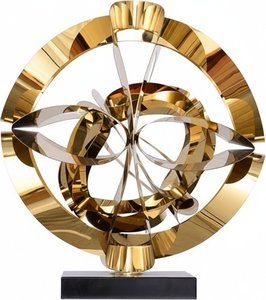
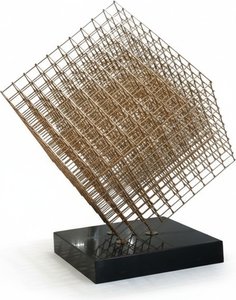
To prevent minimalism from descending into sterile monotony, the discerning designer must introduce elements of structural intrigue. This is where the precision of modern sculpture becomes an indispensable tool in the designer’s repertoire. The introduction of geometric wall art—such as elegant stainless steel sculptures with gold finishes or rose gold accents—serves as a focal point that commands attention without disrupting the room's equilibrium. These pieces, often characterized by laser-cut precision and mathematical symmetry, act as anchors within a vast, open space. They provide a rhythmic complexity that mimics the sophisticated patterns found in nature and classical Islamic art, offering a bridge between contemporary abstraction and timeless elegance.
Consider the impact of a large-scale, rose gold geometric stainless steel sculpture positioned against a neutral, matte-finished wall. The interplay of light upon the metallic surfaces creates a dynamic, ever-changing silhouette as the day progresses, lending a living quality to the interior. Such works do not merely decorate; they define the spatial boundaries and direct the eye through the architectural landscape. By utilizing materials like iron or stainless steel with Art Deco influences, designers can inject a sense of permanence and weight, ensuring that even the most minimalist room possesses a commanding, sculptural presence.
Texture as Narrative: The Tactile Depth of Minimalist Masterpieces
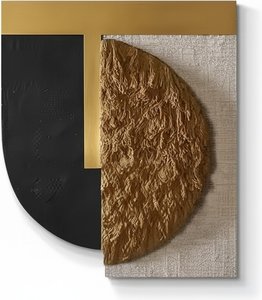
While minimalism favors a restrained color palette, it demands an extraordinary richness in texture. Without the distraction of vibrant hues or complex compositions, the tactile quality of an artwork becomes its primary narrative. This is where the distinction between a flat print and a true masterpiece becomes vital for the luxury professional. A high-quality oil reproduction, characterized by visible, heavy-duty brushstrokes and the impasto technique, introduces a three-dimensional topography to a wall. These palpable layers of paint create shadows and highlights that react to the ambient lighting of a suite, providing a sense of depth that a digital print simply cannot replicate.
The soul of a minimalist space often resides in these subtle, tactile nuances. When a guest encounters an artwork where the artist’s hand is visible—where the ridges of the pigment and the weave of the heavy-duty cotton canvas are apparent—the environment gains an organic warmth. This texture acts as a counterpoint to the smooth surfaces of marble, glass, or polished concrete often found in modern hotel construction. By integrating works that possess this "living" quality, designers can create a sophisticated tension between the industrial precision of the architecture and the humanistic, emotive depth of fine art.
Curating the Visual Journey: Strategic Art Placement for Grand Atriums and Suites
The curation of art within a luxury hotel requires a strategic understanding of the guest's movement and psychological journey. In grand atriums, the challenge lies in scale; the artwork must be large enough to hold its own against soaring ceilings without overwhelming the structural grandeur. This is where multi-panel or group set paintings become transformative. By splitting a single, breathtaking image across three, four, or even five panels, a designer can create a panoramic experience that guides the eye along a corridor or across a wide feature wall, effectively turning a transitional space into a gallery-like promenade.
Conversely, in the intimacy of a private suite, the art must act as a personal companion. Here, the placement should foster a sense of enclosure and comfort. A single, well-placed sculpture or a bespoke portrait can anchor the room, providing a focal point that feels curated specifically for that moment in time. The goal is to create a seamless flow where the artwork does not feel "placed" but rather "emergent"—as if it were an inherent part of the room's very DNA. Through careful consideration of sightlines and scale, the designer orchestrates a visual narrative that evolves as the guest moves from the public spectacle of the lobby to the private sanctuary of their room.
The Intersection of Heritage and Modernity: Reimagating Classical Motifs through a Minimalist Lens
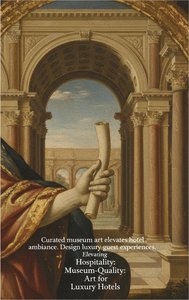
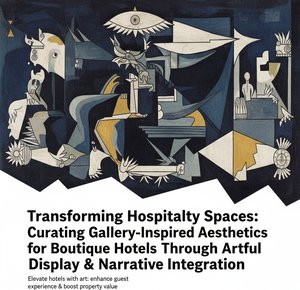
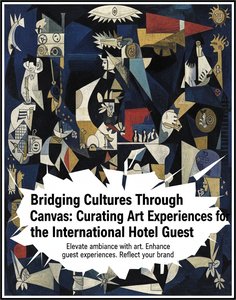
True luxury is often found in the dialogue between the past and the present. For the modern hotelier, there is immense value in "remixing" art history—taking the grandeur of the Old Masters and translating it into a contemporary, minimalist vocabulary. This can be achieved through breathtakingly sophisticated techniques, such as transforming a classical scene into an impasto-style masterpiece or utilizing AI-driven tools to reconstruct historical motifs with a Cubist or Surrealist edge. Such approaches allow a space to feel rooted in tradition while remaining firmly planted in the modern era.
This intersection of eras creates a sense of timelessness that is essential for high-end branding. When a designer utilizes large-format murals or ceiling frescoes that evoke the majesty of the Sistine Chapel, but executes them with a contemporary color palette and minimalist composition, they achieve a rare feat: the creation of a space that feels both ancient and avant-garde. This synthesis of heritage and modernity ensures that the interior remains culturally relevant and intellectually stimulating, offering guests an environment that is as much a tribute to human creativity as it is a pinnacle of modern design.
Discover the Art of Transformation with ArtsDot.com
At ArtsDot.com, we specialize in bringing these sophisticated visions to life. From bespoke oil reproductions and large-scale architectural murals to custom geometric sculptures and professional art consultations, we provide the tools for designers to redefine luxury. Whether you are looking to transform a personal photograph into a Renaissance masterpiece or require high-volume solutions for global hotel projects, our commitment to academic excellence and museum-grade quality ensures your vision is executed with unparalleled prestige.