The Floating World: Understanding the Essence of Ukiyo-e
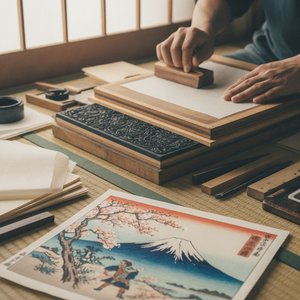
To understand the heart of Japanese fine art, one must first surrender to the concept of Ukiyo—the "Floating World." Originally rooted in a Buddhist realization of the ephemeral and transient nature of existence, this term underwent a profound cultural metamorphosis during the Edo period. What was once a somber reflection on life's fleeting sorrow became a vibrant celebration of life's momentary pleasures. This era gave birth to Ukiyo-e, an art form that sought to capture the pulse of urban life, the grace of the theater, and the quiet dignity of the landscape.
The essence of this movement lies in its ability to find the eternal within the temporary. Through delicate woodblock prints and masterful paintings, artists documented a world of shifting fashions, seasonal blossoms, and the rhythmic ebb and flow of human emotion. It was an art of the moment, yet it achieved a timelessness that continues to resonate with collectors today. By focusing on the beauty of the present, Ukiyo-e artists created a visual language that transcends borders, inviting the viewer to pause and appreciate the exquisite fragility of our shared reality.
Masters of the Woodblock: The Legacy of Hokusai and the Utagawa School
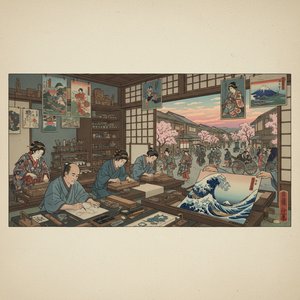
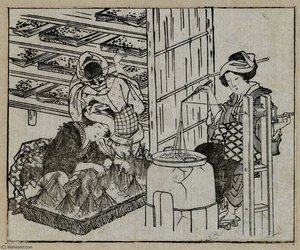
The history of Japanese printmaking is written in the bold lines and intricate textures left by legendary masters. Among these, Katsushika Hokusai stands as a titan of the medium. His ability to weave the monumental power of nature with the minute details of human industry—as seen in works like The Weaving Factory—demonstrates a technical prowess that redefined the boundaries of landscape art. Hokusai did not merely depict scenery; he captured the very breath of the earth, imbuing every wave and mountain with a spiritual vitality.
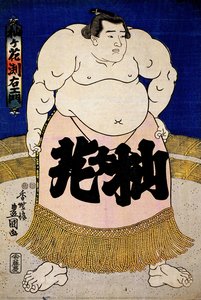
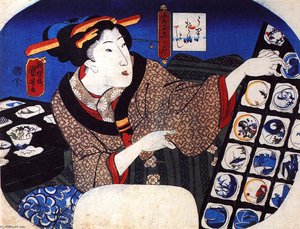
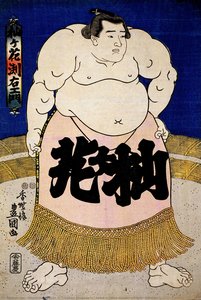
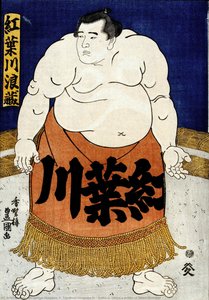
Following this lineage, the Utagawa School brought a different, yet equally captivating, dimension to the Floating World. Artists such as Utagawa Sadahide became the chroniclers of a changing Tokyo, utilizing their brushes to document the evolving face of the Edo period through actor portraits and sprawling landscapes. Similarly, the work of Okumura Toshinobu introduced a sense of romantic intimacy, with his beni-e and urushi-e prints depicting the tender nuances of everyday life and the dramatic flair of Kabuki performances. These artists did not just create images; they built a visual archive of a civilization's soul, ensuring that the vibrant energy of the Utagawa lineage would endure long after the era itself had passed.
Ephemeral Beauty: Seasonal Motifs and the Art of Everyday Life
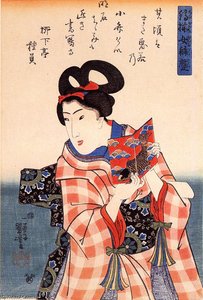
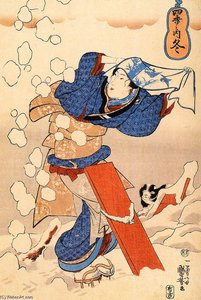
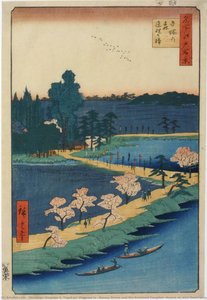
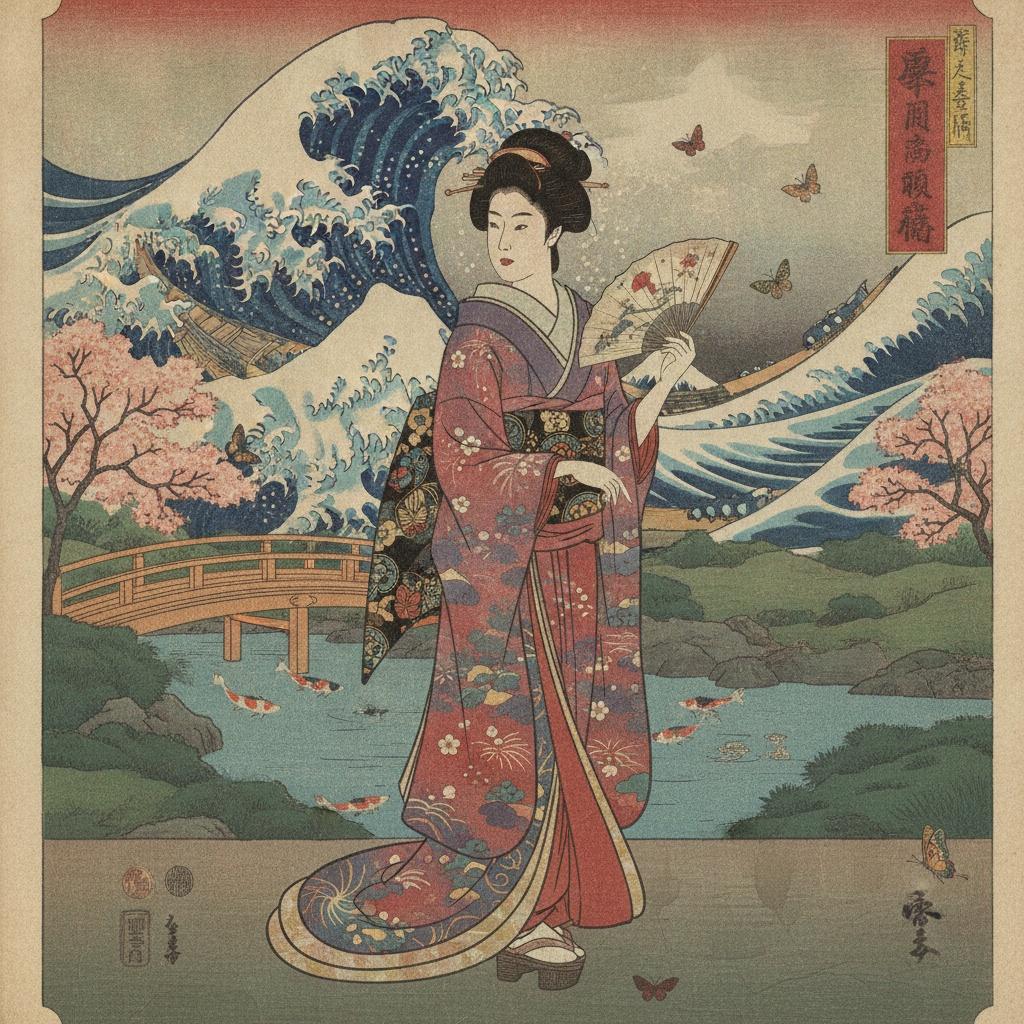
In the Japanese aesthetic tradition, beauty is rarely found in the static; it is found in the transition. This is most poignantly expressed through the use of seasonal motifs, which serve as the heartbeat of Ukiyo-e compositions. The arrival of cherry blossoms, the cooling mist of autumn, or the stark elegance of winter snow are not merely background elements but profound symbols of life's cyclical nature. Artists like Utagawa Sadatora mastered this delicate balance, utilizing themes such as the Fashionable Seven Autumn Plants to evoke a sensory response in the viewer, connecting the human experience to the rhythms of the natural world.
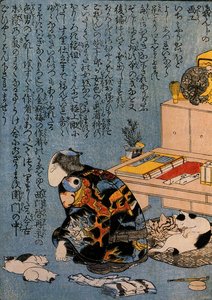
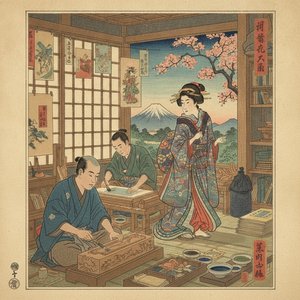
This reverence for the seasonal extends into the depiction of everyday life, where the mundane is elevated to the level of high art. Whether it is the quiet focus of a craftsman at work or the fleeting glance shared between lovers in a bustling street, these scenes capture a sense of mono no aware—the pathos of things. There is a profound dignity in these depictions of the ordinary, a reminder that every moment, no matter how small, possesses an inherent grace. Through this lens, fine art becomes a meditative practice, teaching us to find sanctity in the simple and beauty in the transient.
From Edo to the World: The Global Influence of Japanese Aesthetics
The impact of Japanese art extends far beyond the shores of the archipelago. When the gates of Japan opened to the West, the influx of Ukiyo-e prints triggered a cultural phenomenon known as Japonisme. This movement fundamentally altered the trajectory of Western modernism, influencing masters such as Van Gogh, Monet, and Degas. The radical use of flat color planes, asymmetrical compositions, and daring perspectives challenged the established norms of European academic painting, providing a new vocabulary for artists seeking to break free from traditional realism.
This cross-cultural dialogue created a bridge between East and West, fostering a global appreciation for Japanese spatial sensibilities. The emphasis on negative space, or ma, and the integration of organic forms into structured compositions, became foundational elements in modern graphic design and fine art alike. Today, we see this legacy in the way contemporary collectors approach curation—seeking pieces that offer not just visual stimulation, but a profound sense of balance and structural harmony that echoes the revolutionary spirit of the original Ukiyo-e masters.
Curating Serenity: Integrating Japanese Fine Art into Modern Interiors
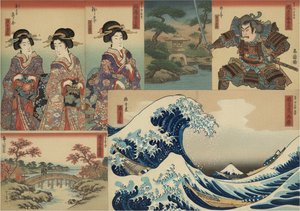
Integrating the spirit of Japanese art into a contemporary home is an exercise in creating a sanctuary. It is not merely about hanging a print; it is about establishing an atmosphere of contemplative calm. For the classic art enthusiast, selecting pieces that reflect the soft palettes and organic motifs of the Edo period can transform a modern living space into a realm of tranquility. Whether through a large-scale reproduction of a landscape or a delicate series of multi-panel prints, the goal is to invite the "Floating World" into the architecture of the home.
To achieve this, one might consider the interplay of texture and light. Much like the way Ukiyo-e artists used subtle gradations of color to suggest depth, a well-curated room uses art to create layers of visual interest. Pairing the bold, graphic nature of woodblock-style imagery with natural materials—such as wood, stone, or linen—reinforces the connection to the natural world that is so central to Japanese aesthetics. In doing so, the collector does more than decorate; they curate an experience of timeless elegance, where every glance at a masterpiece serves as a quiet reminder of the enduring beauty found in life's most fleeting moments.
At ArtsDot.com, we are dedicated to preserving this legacy of human creativity. Our mission is to make the grandeur of the Old Masters and the delicate beauty of Eastern traditions accessible to collectors worldwide. Through our meticulous process of hand-painted oil reproductions, we bring the tactile depth and soul of historical masterpieces into the modern era, ensuring that the spirit of fine art continues to inspire generations to come.