
The Arcadian Ideal: Exploring the Classical Roots of Pastoral Art
 Idyllic Visions: Exploring the Pastoral Scene in Art History – From Arcadia to Modern Interpretations
The Classical Roots of Arcadia: Myth and Early Representations Wikipedia: Pastoral The pastoral genre of literature, art, or music depicts an idealised form of the shepherd's lifestyle – herding livestock around open areas of land according to the se...
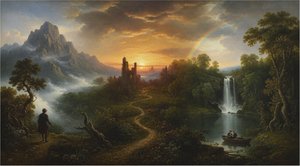
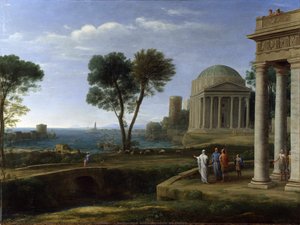
To gaze upon a pastoral landscape is to engage in a profound, silent dialogue with a longing that predates modern civilization. At its heart, the pastoral tradition is not merely a depiction of rural scenery, but a carefully constructed locus amoenus—a beautiful, peaceful place that serves as a sanctuary for the soul. This aesthetic yearning finds its earliest and most potent expression in the myth of Arcadia, a remote region of Greece celebrated by poets such as Theocritus. In these ancient verses, Arcadia was less a geographical reality than a state of mind, a realm where shepherds and nymphs lived in an idealized harmony with the rhythms of nature, far removed from the complexities and cacophony of urban existence.
This classical archetype established the foundational motifs that would haunt Western art for centuries: gentle landscapes, unrequited love, and a sense of melancholy tinged with beauty. As seen in the works of Virgil, the pastoral became a symbol of political and spiritual refuge, offering a vision of a Golden Age where humanity and the earth existed in perfect equilibrium. Even as the genre evolved through the Renaissance and into the Enlightenment, it maintained this core tension—a nostalgic gaze toward a simpler, more virtuous way of life, where the changing availability of water and pasture dictated a life of rhythmic, seasonal grace.
Luminous Horizons: The Evolution from Northern Renaissance to Romanticism
 joachim patinir
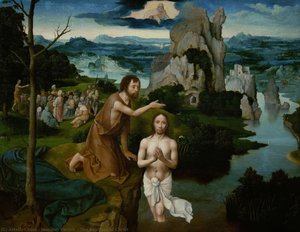
A Pioneer of the Northern Renaissance Landscape Joachim Patinir, a name often whispered alongside that of Albrecht Altdorfer as a foundational figure in landscape painting, emerged from the artistic milieu of the Low Countries during the early 16th c...
As art moved away from the symbolic rigidity of the Middle Ages, the landscape began to emerge from the shadows of religious iconography to claim its own narrative power. In the early 16th century, pioneers like Joachim Patinir fundamentally altered the course of Western art by inventing a new way of seeing. A master of the Northern Renaissance, Patinible transformed landscapes that were once mere backgrounds into independent entities capable of profound symbolic depth. His work, often characterized by a lyrical fantasy and a meticulous attention to naturalistic detail, laid the groundwork for the landscape as a vessel for both the earthly and the divine.
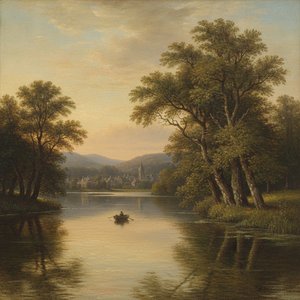
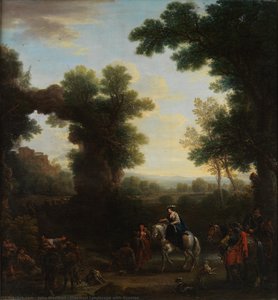
This evolution reached a breathtaking crescendo during the Romantic era, where the tranquil pastoral began to encounter the sublime. While the earlier masters sought harmony, the Romantics explored the awe-inspiring power of nature. We see this transition in the works of artists like George Barret the Elder, whose Landscape With A Lake captures the serene, rolling hills and tranquil waters that define the classical tradition, yet prepares the viewer for the more dramatic emotional landscapes to come. The movement bridged the gap between the controlled beauty of the Renaissance and the raw, emotive energy of later centuries, proving that the landscape could serve as a mirror reflecting our deepest spiritual aspirations and our evolving relationship with the wild, untamed world.
The Symphony of Light: Impressionist Interpretations of the Natural World
 Impressionism
Impressionism was a 19th-century art movement characterised by visible brush strokes, open composition, emphasis on accurate depiction of light in its changing qualities (often accentuating the effects of the passage of time), ordinary subject matter...
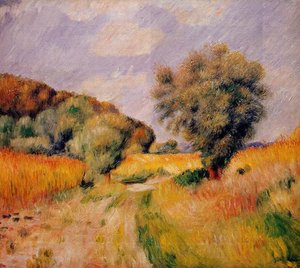
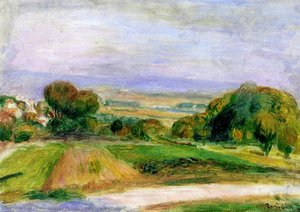
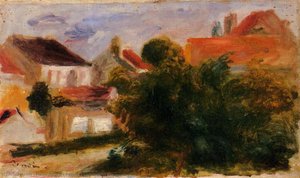
By the late 19th century, the focus of the landscape shifted from the structural and the symbolic to the ephemeral and the sensory. The Impressionist movement, led by visionaries such as Claude Monet, revolutionized the canvas by prioritizing the accurate depiction of light in its fleeting, changing qualities. These artists abandoned the traditional studio-bound methods of verisimilitio in favor of en plein air painting, capturing the momentary vibration of color and the transient effects of sunlight upon a meadow or a riverbank. The brushstrokes became visible, broken, and energetic, mirroring the very movement and perception of human experience.
This era brought a new vitality to the pastoral theme, as seen in the sun-drenched fields that celebrate the fleeting beauty of a summer afternoon. Even within the more structured traditions of American art, such as the Pennsylvania Impressionists at the Payne Gallery, we see this devotion to capturing the sublime beauty of a specific region through a distinctive visual language. The Impressionist approach transformed the landscape from a static scene into a living, breathing symphony of light and atmosphere, inviting the viewer to experience the world not as a collection of objects, but as a continuous flow of sensory impressions.
A Sanctuary of Stillness: The Emotional Resonance of Rural Landscapes in Modern Interiors
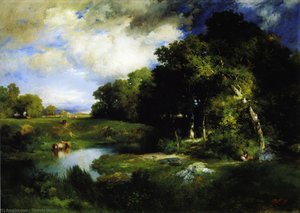 A Pastoral Landscape
A Symphony of Serenity: The Soul of A Pastoral Landscape In the vast tapestry of American art history, few moments capture the quiet breath of nature as poignantly as Thomas Moran’s A Pastoral Landscape . Painted in 1889, this exquisite oil on canvas...
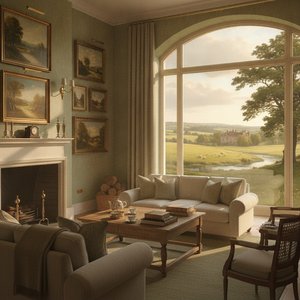
In our contemporary, hyper-digital age, the allure of the pastoral has never been more profound. As we navigate an unrelenting pace of life, a landscape painting acts as a vital window to stillness, offering a much-needed sanctuary of peace. To hang a rural landscape within a modern interior is to invite a meditation on rhythm and season into the home. Whether it is the soft, hazy light of a Monet or the lush, verdant serenity found in Thomas Moran’s A Pastoral Landscape, these works provide an emotional anchor, reminding us of the beauty found in simplicity and our enduring connection to the soil.
For the discerning collector and interior designer, these pieces serve as more than mere decoration; they are architectural elements that define the mood of a space. A sweeping vista can expand the perceived boundaries of a room, while an intimate study of a woodland path can create a corner of quiet contemplation. In an era characterized by movement and noise, the pastoral landscape offers a permanent retreat—a way to bring the restorative power of the natural world into the very heart of our private sanctuaries.
Mastering the Landscape: The Craftsmanship of Hand-Painted Oil Reproductions
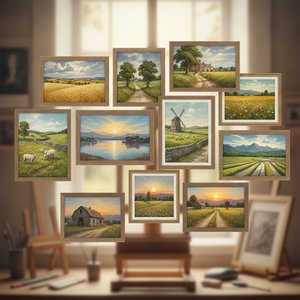 10 Breathtaking Artworks That Capture the Beauty of Rural Landscapes
Introduction There is a profound, quiet magic found in the way light settles over a rolling meadow or how a solitary farmhouse stands resilient against a gathering storm. To look upon a rural landscape is to engage in a silent conversation with the e...
The true essence of a masterpiece lies in its tactile depth—the physical presence of the artist's hand upon the canvas. At ArtsDot.com, we believe that to truly honor the legacy of the Old Masters and the Impressionists, one must move beyond the flat, computer-printed look of standard prints. Our Handmade Oil Reproductions are meticulously crafted by artists holding degrees from prestigious Fine Arts academies, ensuring that every stroke carries the weight of academic excellence. Each piece is 100% hand-painted on fine cotton canvas, utilizing techniques such as impasto to recreate the visible, textured brushstrokes that define the works of Van Gogh or Monet.
Our process is a commitment to authenticity and luxury. From the initial digital mockup—which allows for unlimited revisions to ensure color matching is perfect—to the final application of a protective Damar varnish, every step is managed by a dedicated Project Coordinator. We use specialized oils, such as safflower for our whites, to prevent yellowing over generations, ensuring your investment remains as vibrant as the day it was completed. Whether you are seeking a large-scale mural for a hotel or a bespoke "remix" of a historical classic, ArtsDot.com provides a seamless, professional service backed by a 100% satisfaction guarantee and free worldwide shipping via DHL and FedEx.