Meni

Osnovne informacije

  • Copyright status: Under copyright
  • Top 3 works: Part of the
  • Nationality: Poland
  • Works on APS: 2
  • Also known as:
    • bogdan wendorf
    • bogdan wendorf, ćmielow porcelain manufactory
  • Prikaži više…
  • Museums on APS: Narodni muzej u Varšavi
  • Born: 1944, Ciemków, Poland
  • Top-ranked work: Part of the
  • Art period: Modern

Bogdan Wendorf: A Master of Ćmielów Porcelain

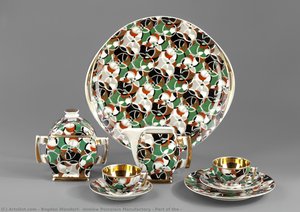
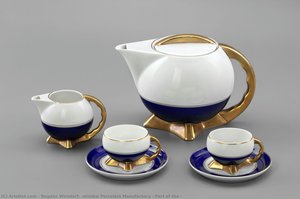
Bogdan Wendorf, born in Ciemków, Poland in 1944, stands as a pivotal figure in the revival and continued excellence of Ćmielów porcelain manufactory. His life’s work is inextricably linked to this historic institution, a place renowned throughout Europe for its exquisite thin-walled china – a legacy he helped shape and elevate during his decades of dedicated service. Wendorf's contribution extends far beyond mere craftsmanship; he embodies the spirit of Polish ceramic tradition while simultaneously embracing modern design sensibilities, securing his position as one of Poland’s most important ceramic artists. The Ćmielów Porcelain Works themselves boast a rich and complex history, tracing their roots back to a small workshop established in 1790. Over centuries, the factory evolved through various ownerships and periods of innovation, experiencing both triumphs – including a grand prize at the All-Russia Exhibition in 1801 – and challenges like flour shortages during communist rule. It was in the mid-20th century that Wendorf joined the ranks, becoming an integral part of the team responsible for revitalizing the factory’s reputation after World War II. His arrival coincided with a renewed focus on design and quality, building upon the established foundations of Ćmielów's renowned aesthetic.

The ‘Kula’ Set: A Defining Achievement

Wendorf is most celebrated for his pivotal role in creating the “Kula” (Sphere) set, a series of porcelain globes representing the continents and oceans. This ambitious project, completed in 1967, wasn't simply a decorative object; it was a bold statement about Polish artistry on an international stage. The ‘Kula’ set demonstrated the factory’s technical prowess – particularly its ability to produce incredibly thin-walled porcelain – while simultaneously showcasing a sophisticated understanding of cartography and design. Each globe is meticulously hand-painted, reflecting not only geographical accuracy but also a deep appreciation for color and detail. The project's success cemented Ćmielów’s place as a leading manufacturer of fine porcelain, attracting buyers from royal courts like Belgium and even the Vatican City.

A Legacy of Design and Collaboration

Wendorf’s influence extended beyond the ‘Kula’ set. He collaborated with other talented designers within the factory, contributing to a diverse range of products that spanned decorative figurines, tableware, and architectural ceramics. His work often incorporated elements of rural Polish landscapes, historical scenes, and mythological motifs – reflecting both the region's cultural heritage and the broader artistic trends of his time. Notably, he worked alongside figures like Lubomir Tomaszewski and Mieczysław Naruszewicz during the 1960s, a period marked by the creation of some of Ćmielów’s most iconic figurines. These pieces, characterized by their delicate forms and vibrant colors, remain highly sought after today.

Technique and Innovation at Ćmielów

The success of Ćmielów porcelain – and Wendorf's contributions to it – relied heavily on the factory’s mastery of thin-walled china production. This technique, perfected over centuries, involved firing porcelain at extremely low temperatures, resulting in a remarkably delicate and translucent material. Wendorf, like his predecessors, understood the importance of meticulous hand-painting, utilizing fine brushes and vibrant pigments to create intricate details and lifelike representations. The factory’s commitment to quality control ensured that each piece met the highest standards of craftsmanship, contributing to Ćmielów's international reputation for excellence.

Contemporary Significance

Today, Bogdan Wendorf continues to be a respected figure in the Polish art world. His work is exhibited in museums across Poland and remains a testament to the enduring legacy of Ćmielów porcelain. The factory itself has undergone several transformations over the years, adapting to changing market conditions while striving to maintain its commitment to traditional techniques and artistic excellence. Wendorf’s contributions serve as an inspiration for contemporary ceramic artists, demonstrating the power of combining technical skill with creative vision – a hallmark of his remarkable career. His work stands as a vital link between Poland's rich artistic past and its vibrant present.

Kviz o umetnosti

Svako pitanje ima samo jedan tačan odgovor.

Pitanje 1:
Bogdan Wendorf is primarily known for his work at which porcelain manufactory?
Pitanje 2:
What iconic set is Bogdan Wendorf most associated with creating at the Ćmielów Porcelain Manufactory?
Pitanje 3:
In what year was Bogdan Wendorf born?
Pitanje 4:
Which of the following best describes Ćmielów Porcelain Works' historical significance?
Pitanje 5:
During which period did Bogdan Wendorf contribute significantly to Ćmielów's design efforts, particularly with the creation of designs for royal courts?