Meni

Osnovne informacije

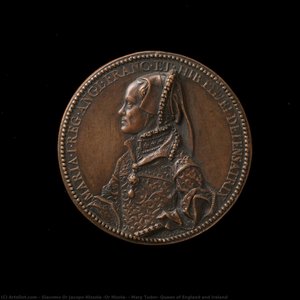
  • Top-ranked work: Mary Tudor, Queen of England and Ireland
  • Born: Trezzo sull'Adda, Italy
  • Also known as: jacopo da trezzo
  • Top 3 works: Mary Tudor, Queen of England and Ireland
  • Works on APS: 1
  • Prikaži više…
  • Died: 1589
  • Museums on APS: Музей имени Гулбенкяна
  • Nationality: Italy
  • Copyright status: Public domain

The Shadowed Palette: A Biography of Jean-Baptiste Mongeau

Jean-Baptiste Mongeau, a name perhaps less familiar than his contemporaries, nevertheless stands as a pivotal figure in the late 18th and early 19th centuries – a master of *contre-jour*, a painter deeply influenced by the burgeoning Romantic movement yet firmly rooted in Neoclassical principles. Born in Lyon, France, in 1752, Mongeau’s life was marked by both artistic brilliance and personal tragedy, shaping the melancholic and intensely evocative quality that defines his oeuvre. His early years were spent apprenticed to a local portraitist, absorbing the fundamentals of technique but quickly demonstrating an insatiable curiosity for light, shadow, and the emotional resonance of color – elements he would later master with unparalleled skill.

Early Influences and Artistic Development

Mongeau’s artistic journey was profoundly shaped by his exposure to the works of Jacques-Louis David, whose precise realism and dramatic compositions initially captivated him. However, Mongeau soon recognized a fundamental disconnect between David's idealized world and his own burgeoning fascination with the darker aspects of human experience. He found himself drawn to the landscapes of Claude Joseph Vernet, particularly Vernet’s depictions of storms and nocturnal scenes – images that instilled in him a deep appreciation for the power and mystery of light in its most attenuated forms. Crucially, Mongeau also developed a keen interest in the writings of Edmund Burke, whose theories on sublime terror provided a philosophical framework for his artistic explorations. He believed art should evoke not just beauty but also a sense of awe and apprehension, mirroring the emotional responses triggered by nature’s grandest displays.

The Technique of *Contre-Jour*

Mongeau's most distinctive contribution to painting lies in his innovative use of *contre-jour*, or “against light.” This technique, where a strong light source illuminates the subject from an unseen position, creates dramatic shadows and emphasizes texture, volume, and emotional intensity. He meticulously studied the effects of light on various surfaces – polished marble, rough stone, damp foliage – achieving an astonishing level of realism in his rendering of these details. Unlike many of his contemporaries who employed *contre-jour* merely as a stylistic flourish, Mongeau used it to convey profound psychological states: loneliness, despair, and a sense of impending doom. His paintings often feature solitary figures enveloped in darkness, their faces partially obscured by shadow, inviting the viewer to contemplate their inner turmoil.

Notable Works and Recurring Themes

Mongeau’s most celebrated works include *The Shepherdess Lost*, a haunting depiction of a young woman wandering through a desolate moor under a stormy sky; *The Abandoned Chapel*, a scene of crumbling ruins bathed in an eerie twilight; and *The Mariner's Lament*, a powerful portrayal of a shipwreck survivor clinging to a piece of driftwood amidst a raging sea. Recurring themes in his work include isolation, loss, mortality, and the sublime power of nature. He frequently depicted scenes of rural decay and human suffering, reflecting a growing disillusionment with the Enlightenment ideals of progress and reason. His paintings are not celebratory; they are imbued with a sense of melancholy and foreboding.

Legacy and Historical Significance

Despite achieving considerable acclaim during his lifetime, Mongeau’s career was tragically cut short by illness in 1809 at the age of 57. He left behind a relatively small body of work, but his paintings exerted a significant influence on subsequent generations of Romantic artists, particularly those who explored themes of darkness and emotional intensity. His innovative use of *contre-jour* paved the way for later developments in chiaroscuro and atmospheric perspective. Mongeau’s legacy resides not only in his individual masterpieces but also in his profound contribution to the evolution of European painting – a testament to the power of art to capture the complexities of human experience and the sublime beauty of the natural world, even within its darkest corners. His work continues to resonate with viewers today, offering a poignant reflection on the fragility of life and the enduring allure of shadow and light.

Kviz o umetnosti

Svako pitanje ima samo jedan tačan odgovor.

Pitanje 1:
According to the provided biographies, which artist is known for their work featured in ‘The World Goes Pop’ exhibition at Tate Modern?
Pitanje 2:
What is a key difference between an artist’s bio and an artist CV (curriculum vitae)?
Pitanje 3:
The provided resources suggest that an effective artist bio should be approximately how long?
Pitanje 4:
Which of the following is NOT typically included in an artist’s biography?
Pitanje 5:
According to the provided materials, what is the primary purpose of an artist’s bio?