The Masked Vanguard: The Guerrilla Girls and the Art of Resistance
In the vibrant, often turbulent landscape of 1980s New York City, a new kind of artistic force emerged—not from the quiet sanctity of private studios, but from the loud, confrontational streets. The Guerrilla Girls, an anonymous collective of feminist artists, arrived as a visceral response to the suffocating atmosphere of sexism and racial bias that defined the contemporary art world. Their genesis was rooted in a profound act of defiance: a protest against the Museum of Modern Art’s board of directors, a group then comprised entirely of men, which conspicuously lacked representation for female creators. This initial spark ignited a lifelong mission to dismantle systemic inequalities through a unique blend of culture jamming, statistical rigor, and biting wit.
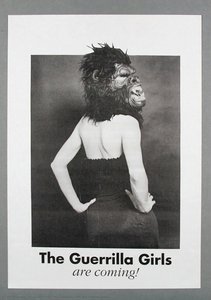
To protect their identities and ensure that the message remained paramount, the members adopted a striking visual persona, appearing in public wearing gorilla masks. This anonymity was not merely a shield against personal scrutiny but a profound philosophical statement. By adopting pseudonyms inspired by deceased female icons—such as Frida Kahlo, Käthe Kollwitz, and Alice Neel, alongside activists like Harriet Tubman—the collective signaled that the struggle for justice transcended individual ego. As they often reminded the world, "issues matter more than individual identities." This commitment allowed the focus to remain squarely on the glaring disparities within museum collections and gallery rosters, rather than the personalities of the activists themselves.
Tactics of Disruption: Posters, Statistics, and Satire
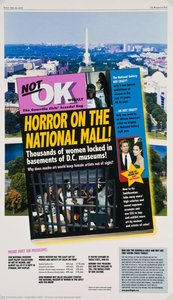
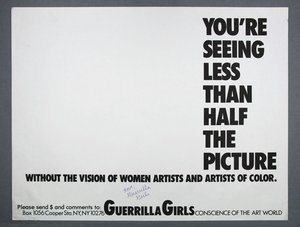
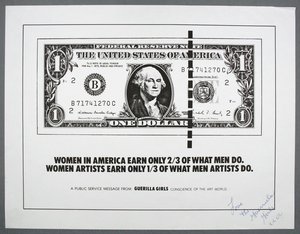
The methodology of the Guerrilla Girls is as much about communication as it is about fine art. Eschewing traditional gallery walls, they utilized the urban environment as their canvas, employing guerrilla tactics to reach the public consciousness directly. Their work often takes the form of provocative posters, billboards, and books that utilize bold, high-contrast graphics—frequently in striking shades of pink and black—to command attention. These pieces are rarely just aesthetic; they are data-driven indictments of institutional corruption. By weaving startling statistics into their visual narratives, they transformed dry sociological facts into unforgettable pieces of protest art.
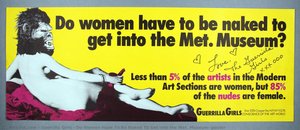
One of their most enduring legacies is the use of humor to puncture the pretension of the art establishment. Their work often employs a sharp, satirical edge to expose the absurdity of gendered double standards. For instance, their famous inquiries into whether women must be naked to achieve representation in major museums like the Met highlight the uncomfortable reality where female bodies are frequently objectified on canvas while female artists remain invisible in the galleries. This ability to use satire as a weapon allows them to engage the viewer emotionally and intellectually, making the heavy subject of systemic oppression accessible and impossible to ignore.
A Lasting Legacy of Social Transformation
The historical significance of the Guerrilla Girls extends far beyond the era of their formation. While they began as a localized protest in New York, their influence has rippled across the globe, inspiring subsequent generations of activist-artists to utilize the tools of mass media for social reform. Their work has forced major institutions to confront their own histories of exclusion, leading to much-needed shifts in curatorial practices and the inclusion of diverse voices in permanent collections. Even as the collective evolved—with branches like Guerrilla Girls On Tour bringing feminist performance art to international stages—the core mission remained steadfast.
Today, the Guerrilla Girls remain a vital presence in the discourse surrounding intersectional feminism and racial justice. Their enduring relevance lies in their refusal to be silenced by the very institutions they critique. Through their persistent use of internet interventions, public lectures, and street theatre, they continue to monitor the pulse of the art world, ensuring that the fight against discrimination remains a visible, loud, and unyielding part of the cultural conversation. Their legacy is not found in a single masterpiece, but in the ongoing, transformative movement toward an art world that truly reflects the diversity of the human experience.