The Dawn of a New Vision: The Morning of Russia
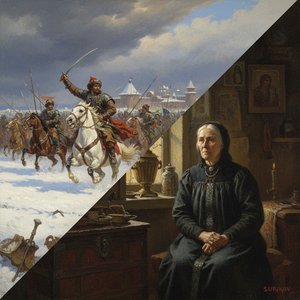
At the turn of the twentieth century, a profound cultural awakening began to stir in the far reaches of the Russian Far East. Known as Utro Rossii, or the Morning of Russia, this was not merely a single hand holding a brush, but a pioneering movement that emerged from Vladivostok around 1900. It represented a collective soul—a gathering of artists, writers, and intellectuals dedicated to forging a distinct Russian identity far from the traditional centers of Europe. This movement sought to capture the very essence of the nation, weaving together the threads of ancient folklore, spiritual depth, and the burgeoning political consciousness of a changing era.
The aesthetic heartbeat of the movement was deeply rooted in the Symbolist tradition, yet it possessed a grounded, visceral quality that set it apart. While many contemporary movements sought refuge in abstraction or ethereal dreams, the artists of Utro Rossii aimed to mirror the true face of their homeland. They looked toward the rugged landscapes and the spiritual heritage of Russia to create an art form that felt both timeless and urgently modern. Their work was a bridge between the mystical past and the industrializing future, striving to represent a reality that was as much about the spirit as it, it was about the soil.
Socialist Realism and the Spirit of the People
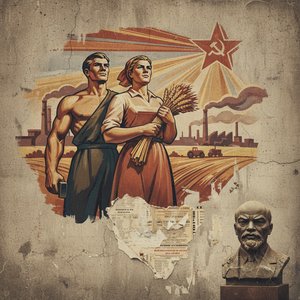
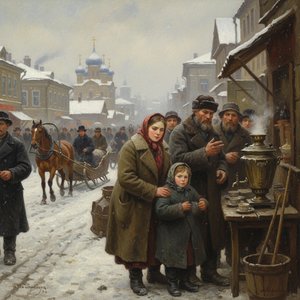
As the decades progressed, the movement’s focus underwent a significant transformation, moving toward what would become known as Socialist Realism. This shift was not merely political but deeply artistic, as the creators sought to document the unvarnished lives of the working class. The movement rejected the idealized, polished portraits of the aristocracy in favor of the grit, sweat, and resilience of the common laborer. Through their canvases, the struggles and triumphs of the proletariat were elevated to the level of epic poetry.
The artistic language of this period was defined by a commitment to unidealized subjects. The beauty found in these works was not found in perfection, but in the strength of a worker's hands or the stark, honest light falling across a seasonal thaw. This dedication to truth allowed the movement to capture the profound dignity of human labor and the raw power of the Russian landscape. Notable figures within this collective brought diverse perspectives to this shared mission:
- Feodor Chaliapin: A master of bold and expressive compositions, whose works vibrantly depicted the triumphs and hardships of the working class.
- Vladimir Kornilov: An artist whose brush captured the breathtaking beauty of Russian landscapes and the enduring resilience of its people.
- Mikhail Vrubel: A leading light who masterfully explored the complex intersection where traditional Russian culture met burgeoning European influences.
A Lasting Legacy in the Russian Landscape
The historical significance of the Morning of Russia movement cannot be overstated. It left an indelible mark on the cultural landscape, shaping how a nation viewed itself during a period of immense upheaval. By centering the narrative on the common person and the natural world, they provided a visual language for a new era of Russian identity. Their influence can still be felt when walking through the halls of the Yaroslavl Arts Museum, where many of their most poignant works are preserved.
Today, the movement's legacy lives on through iconic pieces such as The Potemkin Stairway and Spring Thaw. Yaroslavl, which continue to resonate with viewers for their emotional honesty and technical mastery. The Morning of Russia remains a testament to the power of art to act as both a mirror to society and a beacon for cultural pride, reminding us that even in the most distant frontiers, a new dawn can redefine the soul of a nation.