The Sonic Architects of Bamako
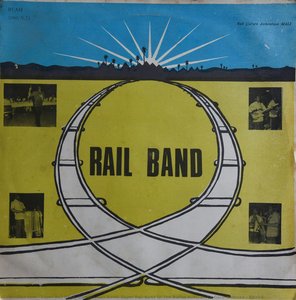
In the vibrant, rhythmic heart of Mali, a musical revolution was forged in the 1970s, led by a collective that would forever alter the landscape of West African sound. The Super Rail Band, also known as the Rail Band or more formally the Super Rail Band of the Buffet Hotel de la Gare, Bamako, emerged not merely as a musical group but as a cultural phenomenon. Formed in 1970 under the patronage of the Malian Ministry of Information and the railway administration, the band took its name from their residency at the Station Hotel’s buffet bar. This era was defined by a profound sense of national identity, as the group became a vessel for the fusion of global influences and ancestral echoes, creating a sound that was simultaneously cosmopolitan and deeply rooted in the soil of the Manding empire.
The genius of the Rail Band lay in their ability to act as musical alchemists. They took the mid-century craze for Afro-Latin and Cuban jazz—sounds that had traveled from Congo through the wider African continent—and married them to the deep, ancestral textures of Malian tradition. Their compositions were a sophisticated tapestry where the electric guitar and jazz horns danced alongside the kora, the balafon, and the ngoni. By weaving together the Mande Griot praise-singer tradition with modern Western percussion and brass, they crafted a genre that felt both ancient and avant-garde. This synthesis allowed them to speak to the urbanizing youth of Bamako while honoring the linguistic beauty of the Bambara and Mandinka languages.
A Legacy of Icons and Innovation
To study the history of the Super Rail Band is to trace the lineage of African music's greatest legends. The band served as a vital launching pad for solo artists who would eventually achieve global superstardom, most notably the incomparable Salif Keita and the mesmerizing Mory Kanté. During their peak in the 1970s, the group’s influence radiated far beyond Mali's borders, playing to sold-out stadiums across West Africa. Their performances were characterized by a high-energy polyrhythmic complexity that captured the spirit of a continent in transition. The band's ability to integrate the talking drum and Islamic-style melodies with the driving force of a Western drum kit created a sonic language that was uniquely their own.
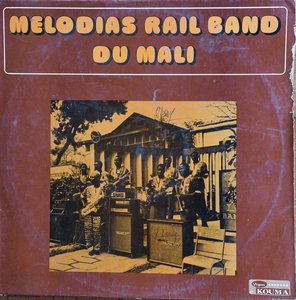
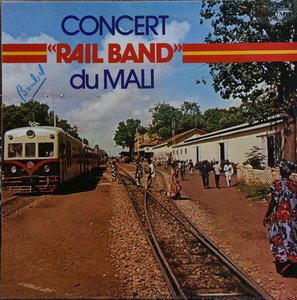
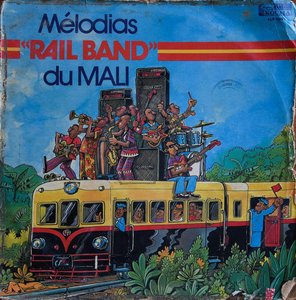
The historical significance of the Rail Band extends beyond mere entertainment; they were architects of a new musical identity for a post-colonial era. Their work, captured in iconic recordings such as 'Melodias', remains a testament to a time of immense cultural synthesis. Through their mastery of both the traditional and the modern, they ensured that the Griot tradition would not remain a relic of the past, but rather a living, breathing force capable of commanding the world stage. Their legacy continues to resonate in every note of contemporary West African music, reminding us of a period when Bamako was the beating heart of a rhythmic revolution.