
A Beacon of Modernity Amidst Medieval Grandeur
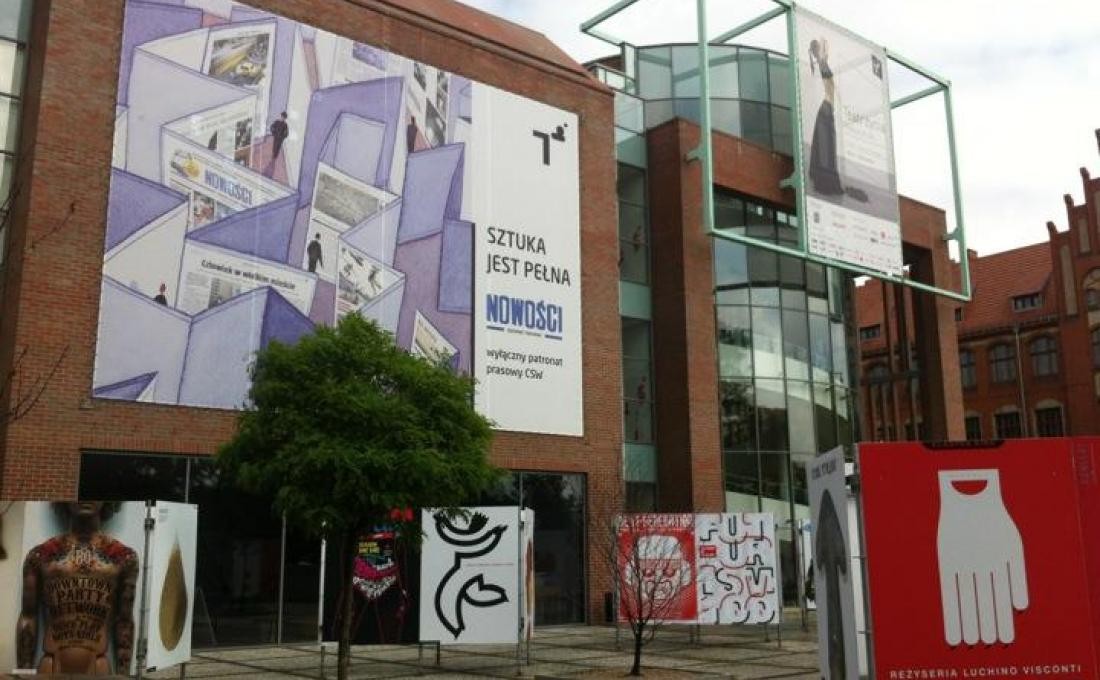
In the heart of Toruń, a city where the cobblestone streets whisper tales of medieval merchants and the scent of gingerbread lingers in the air, stands an unexpected monument to the avant-garde. The Centre of Contemporary Art Znaki Czasu (CoCA Tor/Toruń) is not merely a gallery but a bold architectural and cultural statement, asserting Poland's vibrant presence within the global contemporary art dialogue. Established in 2008, this institution holds the distinction of being the first museum in Poland specifically designed for the promotion of contemporary visual arts since 1939. Its location, nestled near the UNESCO-listed Old Town, creates a profound tension between the weight of history and the lightness of modern experimentation, inviting visitors to step out of the ancestral past and into a realm of infinite possibility.
The architecture itself serves as a silent protagonist in the museum's narrative. Designed by the Wrocław architect Edward Lach , the building is a masterclass in adaptability and spatial fluidity. It eschews the intimidating, static grandeur of classical museums in favor of a spacious, dynamic environment capable of breathing alongside the ambitious installations it houses. For the interior designer or the lover of modern aesthetics, the museum’s structure offers a lesson in how light and volume can be harnessed to frame the ephemeral. The design embodies the very essence of its mission: to provide a flexible stage where new media, soundscapes, and physical interventions can coalesce into immersive, multi-sensory experiences.
A Tapestry of Interdisciplinary Brilliance
What truly distinguishes Znaki Czasu is its refusal to be confined by the traditional boundaries of medium or discipline. While many institutions remain anchored to the permanence of oil on canvas or the stillness of marble, CoCA Toruń champions the "cutting edge." The collection and programming are a kaleidoscopic blend of the visual, the performative, and the digital. It is a place where one might encounter the raw, visceral power of Władysław Wałęga’s Art Brut creations alongside the ethereal, technological frontiers of robotic installations. This interdisciplinary approach ensures that the museum functions as a living organism, constantly evolving through collaborations that bridge the gap between human touch and artificial intelligence.
The museum's curatorial vision frequently reaches far beyond Polish borders, bringing international prestige to the Vistula riverbanks. Visitors may find themselves lost in the mesmerizing video art of pioneer Bill Viola , whose retrospective Wizje Czasu offered a profound meditation on time and consciousness, or captivated by the cinematic, theatrical journey of Julian Rosefeldt’s Manifesto . Such exhibitions demonstrate the museum's role as a vital node in an international network of cultural exchange. Even more intimate are the explorations of language and physicality, such as the Embodied Word exhibition, which challenges the viewer to perceive language not as an abstract concept, but as something deeply sensory, political, and bodily.
A Catalyst for Creative Growth
Beyond its role as a repository for finished works, Znaki Czasu acts as a fertile laboratory for the next generation of creators. Through its dedicated artist residencies and educational workshops, the museum nurtures the seeds of innovation before they bloom into global movements. It is a space where young people are encouraged to find their voices through filmmaking, photography, and dance, ensuring that the "signs of the times" are not just observed, but actively authored. For the collector or the art enthusiast, this makes a visit to CoCA Toruń more than a mere viewing; it is an encounter with the very pulse of contemporary Polish identity—a place where the complexities of modern life are dissected, celebrated, and transformed into enduring art.