

Sadržaj
Osnovne informacije
- Featured artists: Antoine Étex
- Location: Paris, France
- Alternate names:
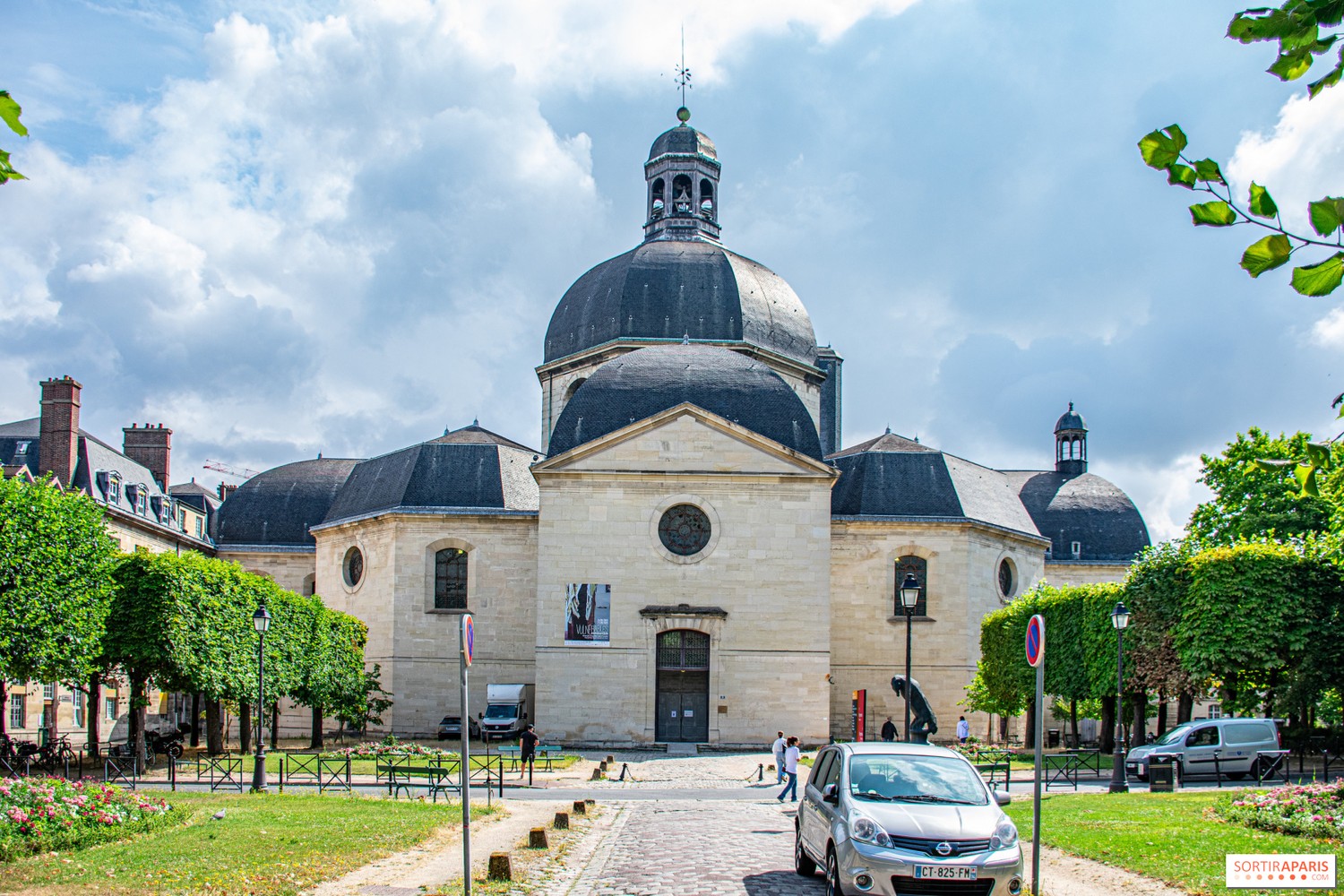
- Chapel of the Salpêtrière Hospital
- Salpêtrière Chapel
- Chapel of Saint-Louis-de-la-Salpetriere
- Saint Louis Chapel
- Works on APS: 1
Umetnici u kolekciji
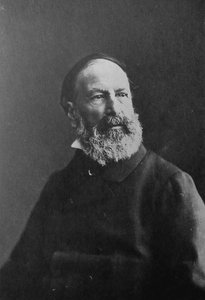
Antoine Étex
Antoine Étex (1808-1888): French sculptor & painter renowned for his monumental Arc de Triomphe sculptures and poignant Géricault tomb. Explore Neoclassical & Romantic art.

Kviz o umetnosti
Svako pitanje ima samo jedan tačan odgovor.
Pitanje 1:
What is the Chapel of the Salpêtrière Hospital primarily known for?
Pitanje 2:
Which architect designed the chapel's impressive dome?
Pitanje 3:
What historical event significantly impacted the Salpêtrière's history?
Pitanje 4:
Who initiated groundbreaking humanitarian reforms in psychiatric care at the Salpêtrière?
Pitanje 5:
What artistic dimension does Antoine Etex's sculptures contribute to the chapel’s collection?
Povezani članci
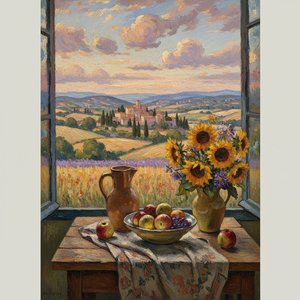
Bernard Cathelin: A Poetic Realist's Exploration of Still Life and the French Landscape
Explore the captivating world of Bernard Cathelin, a master of French Poetic Realism. Discover his stunning still lifes & landscapes, and learn about his legacy with ArtsDot.
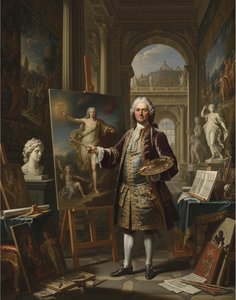
Charles Le Brun: Master of French Baroque Classicism & His Enduring Legacy
Explore the life & art of Charles Le Brun, master of French Baroque Classicism. Discover his royal commissions, influence on Versailles, and enduring legacy through detailed analysis & stunning artworks.
Simon Vouet: A Baroque Master's Journey from Italian Influence to French Classicism
Explore the life & art of Simon Vouet, a pivotal French Baroque painter who introduced Italian styles to France. Discover his masterpieces and lasting influence on 17th-century art.

