

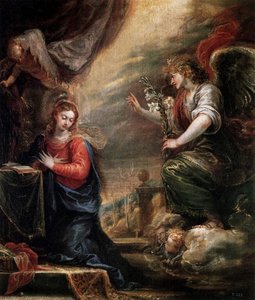


A Sanctuary of Habsburg Splendor
In the beating heart of Madrid, tucked away from the frenetic energy of the modern metropolis, lies a sanctuary where time seems to have surrendered to the stillness of devotion. The Convent of Las Descalzas Reales is not merely a museum; it is a living tapestry of Spanish history, a place where the opulence of the Habsburg court meets the profound austerity of the Poor Clare Order. Founded in 1559 by Joanna of Austria—the formidable daughter of Emperor Charles V and a woman of immense political agency—this sacred space was born from a desire to transform a royal palace into a refuge for noblewomen. As you step through its doors, you are not just entering a building, but stepping into a meticulously preserved era where every gilded frame and woven thread whispers tales of imperial grandeur and spiritual seclusion.
The architecture itself serves as a silent narrator of the transition from Renaissance majesty to Baroque drama. The convent occupies the former palace of Charles V, and its bones reflect the architectural genius of masters like Juan Bautista de Toledo and Juan Gómez de Retamoso. Visitors wander through spaces that blend the delicate Plateresque ornamentation of the Spanish Golden Age with the theatricality of later centuries. One cannot help but feel a sense of awe when standing before the intricate sculptural elements, particularly the poignant funerary sculpture of Joanna of Austria herself, captured in eternal prayer. The very walls seem to breathe with the weight of history, from the monumental staircases adorned with seventeenth-century frescoes to the quiet, shadowed chapels that house sacred relics, including fragments of the True Cross.
A Masterpiece Gallery of Light and Thread
For the discerning art lover and collector, the collection within Las Descalzas Reales offers an intimacy rarely found in larger, more impersonal institutions. The convent’s treasury is a concentrated explosion of Renaissance and Baroque brilliance, amassed through the generous dowries of noblewomen who brought their personal treasures into the cloister. The crown jewel of this assembly is undoubtedly Titian’s Caesar’s Money , an altarpiece that commands the room with its masterful command of color and profound religious symbolism. To stand before a Titian in such a setting is to witness the pinnacle of Venetian technique meeting Spanish piety.
The visual narrative continues through the magnificent textile works that drape the chapel walls, most notably the breathtaking tapestries woven from the designs of Peter Paul Rubens. These large-scale narratives, representing the Apotheosis of the Eucharist , infuse the space with a dynamic, muscular energy characteristic of the Flemish master. The interplay between the soft, light-catching textures of these tapestries and the heavy, oil-laden canvases creates an immersive environment that is a dream for interior designers seeking inspiration in classical harmony. Beyond the titans of painting, the collection is enriched by the delicate portraits of royal children from the Polish-Lithuanian Commonwealth, executed with a precision by artists like Marcin Kober that offers a rare, humanizing glimpse into the complex web of Habsburg diplomacy.
An Enduring Legacy of Faith and Art
What makes the Convent of Las Descalzas Reales truly unique is its dual identity as both a functioning monastery and a public treasure. It remains a place where the sacred and the aesthetic are inseparable. The presence of the cloistered nuns lends an atmosphere of authentic sanctity that no modern reconstruction could replicate. This is a site where the spiritual fervor of the sixteenth century is still palpable in the air, anchored by the presence of relics like the bones of Saint Sebastian and the quiet dignity of the liturgical spaces.
For those who seek to understand the soul of Madrid, this convent offers an unparalleled journey through the intersection of power, piety, and pigment. It stands as a testament to how art can serve as both a tool for political prestige and a vessel for eternal devotion. Whether one is drawn by the technical mastery of Rubens, the emotive depth of Titian, or the architectural echoes of a vanished empire, Las Descalzas Reales remains an essential pilgrimage for anyone captivated by the enduring power of the human spirit expressed through beauty.


