

Sadržaj
Osnovne informacije
- Featured artists: Andrea del Verrocchio
- Art types: wallart
- Historical periods: renaissance
- Mediums: oil on canvas
- Prikaži više…
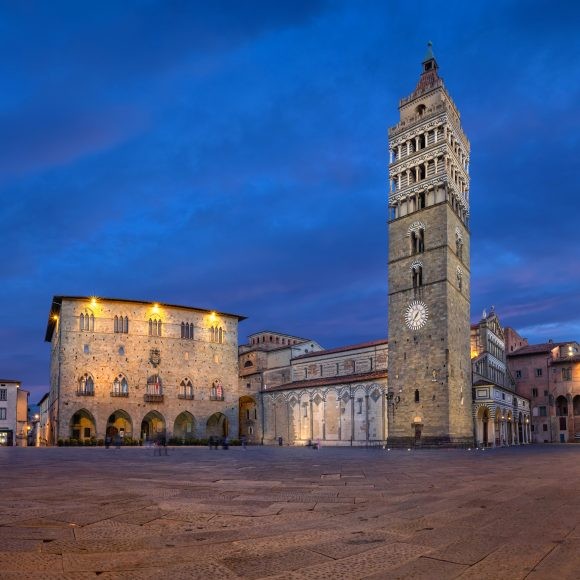
- Location: Pistoia, Italy
- Alternate names:
- Duomo
- []
- Works on APS: 1
- Movements: early renaissance
Umetnici u kolekciji
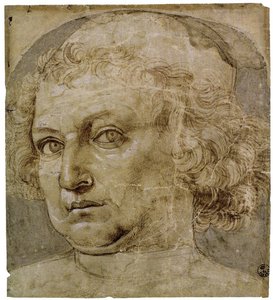
Andrea Del Verrocchio
Andrea del Verrocchio (1435-1488): Florentinski renesansni vajar i slikar. Mentor Leonardu da Vinčiju, poznat po delu 'Krštenje Hrista' i konjičkom spomeniku Bartolomeu Koleoniju.

Kviz o umetnosti
Svako pitanje ima samo jedan tačan odgovor.
Pitanje 1:
The Metropolitan Museum of Art is renowned for its vast collection spanning which period?
Pitanje 2:
Which of the following best describes the primary focus of The National Gallery in London?
Pitanje 3:
The Louvre Museum in Paris is most famous for housing which iconic artwork?
Pitanje 4:
The Prado Museum in Madrid is particularly celebrated for its collection of works by which artist?
Pitanje 5:
The Uffizi Gallery in Florence is primarily known for its collection of art from which period?
Povezani članci

Watercolor Wonders: 10 Masterpieces That Redefined Art History | ArtsDot
Journey through 10 legendary watercolor masterpieces by Sargent, Turner & Homer! Explore iconic landscapes, portraits & floral art that redefined history. Find museum-quality reproductions and curated decor ideas at ArtsDot.com.

Giclée Prints: Archival Quality & Aesthetic Nuances for the Discerning Collector
Explore the world of giclée prints with ArtsDot. Learn about archival quality, aesthetic nuances & investment potential. Expert guidance for discerning art collectors seeking museum-quality reproductions and lasting value.

Bronze Sculptures That Defined Art History | ArtsDot
Journey through art history with our Top 10 bronze sculptures! Explore masterpieces by Rodin, Michelangelo & more. Discover stories behind iconic statues and find museum-quality reproductions for your home decor at ArtsDot.com.


Pretplatite se na naš bilten
Budite u toku sa najnovijim vestima o umetnosti, ekskluzivnim ponudama i idejama za dekoraciju.
Dobijte 3 besplatna predloga umetničkih dela
Recite nam o vašem projektu i naši stručnjaci za umetnost će vam pružiti 3 personalizovana predloga umetničkih dela.
Not Sure Where to Start?
Let Us Curate 3 Options Just for You - Free!