

A Sanctuary of Vision: The Imperial College Healthcare Charity Art Collection
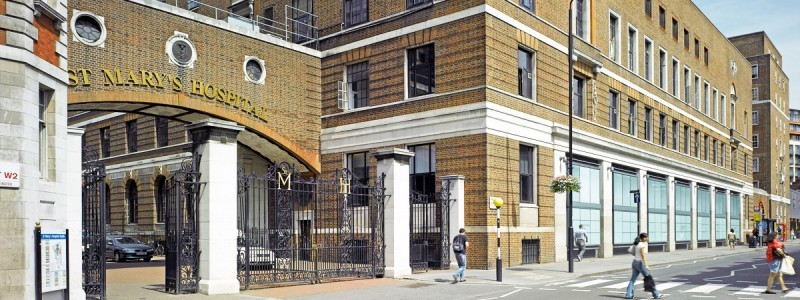
In the bustling, rhythmic heart of London, where the clinical precision of world-class medicine meets the profound vulnerability of the human condition, lies a hidden treasury of aesthetic wonder. The Imperial College Healthcare Charity Art Collection is far more than a mere assembly of objects; it is a living, breathing testament to the transformative power of creativity within the healing arts. Spanning over two thousand artworks, this collection serves as a vital bridge between the sterile environment of healthcare and the vibrant, emotional landscapes of the human spirit. It is a curated sanctuary designed to uplift the weary, inspire the curious, and provide a moment of profound reflection for patients, staff, and visitors alike.
The soul of the collection resides in its deep commitment to modern British and contemporary art . Moving through the hospital corridors, one encounters a dialogue between light, form, and identity that spans much of the twentieth century and into our present era. The collection’s scope is breathtakingly diverse, ranging from the sweeping, atmospheric urban landscapes of Peter Fleming—whose depictions of Bodmin Moor capture a haunting, timeless precision—to the intimate, psychologically resonant portraits of Stephen Buckley. In works like Harmony , the viewer is invited to witness the subtle nuances of human emotion, rendered with a masterful sensitivity that mirrors the very care provided within these walls. This intentional curation ensures that art is not merely a decoration but an active participant in the holistic wellness of the community.
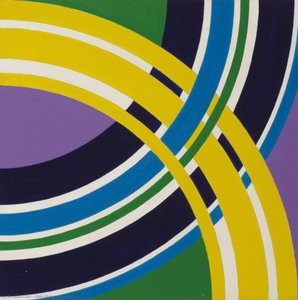
For the discerning collector or interior designer, the collection offers a masterclass in stylistic evolution and material experimentation. The breadth of media present is staggering, encompassing sculptures, video installations, photography, and exquisite works on paper . One might find themselves captivated by the meticulous historical detail of Charles James Turrell’s miniature paintings, or perhaps drawn to the bold, geometric energy of Eduardo Jonquières, whose use of acrylic and concrete art principles brings a modern, rhythmic vitality to the space. The presence of luminaries such as Bridget Riley, Julian Opie, and David Mach elevates the collection to international significance, showcasing a sophisticated interplay between abstraction and representation that challenges the eye and stirs the intellect.
What truly distinguishes this collection is its unique architectural and social integration. Unlike traditional museums housed in silent, detached galleries, these artworks are woven into the very fabric of the Imperial College Healthcare campus. They inhabit public areas, clinical units, and outdoor spaces, breaking down the barriers between "high art" and daily life. This integration fosters a unique environment where the boundaries of the hospital dissolve into a space of continuous discovery. Through prestigious residencies, such as those with the Serpentine Galleries , the collection continues to evolve, inviting contemporary artists to explore themes of frailty, ageing, and care. It remains a beacon of artistic expression, proving that even in our most vulnerable moments, beauty remains an essential, life-sustaining force.