
A Sanctuary of Modernity Amidst Georgian Elegance
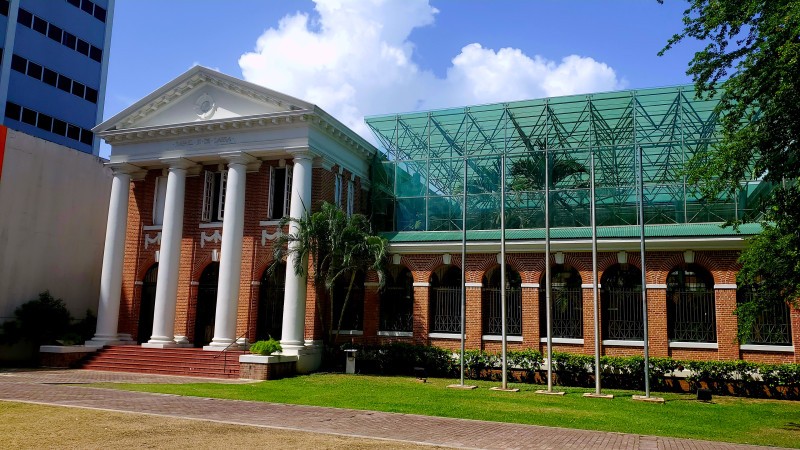
In the vibrant, rhythmic heart of Santurce, San Juan, there exists a profound architectural dialogue between the past and the present. The Museo de Arte Contemporáneo de Puerto Rico , affectionately known as MAC, is housed within the historic Rafael M. Labra Building, a structure that breathes with the stately grace of Georgian architecture. Originally erected in 1916 as a public school by architect Adrian C. Finlayson, the building’s disciplined lines and classical proportions provide a breathtaking stage for the avant-garde. To walk through its doors is to experience a striking juxtaposition; one moves through a space defined by early 20th-century elegance to encounter the raw, experimental energy of contemporary Caribbean expression. This seamless blend of historical preservation and modern innovation makes the museum not merely a gallery, but a living monument to Puerto Rico's evolving cultural identity.
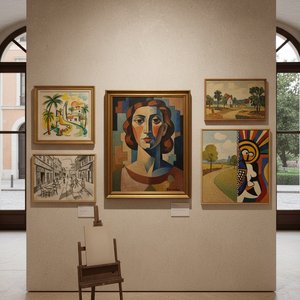
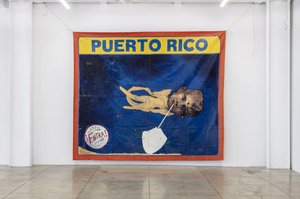
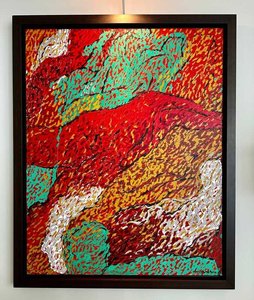
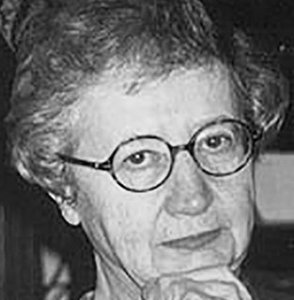
The soul of the MAC lies in its curated whispers of identity, history, and social dialogue. The collection serves as a vital repository for works that span from mid-century masterpieces to the most daring installations of the current era. For the discerning collector or art enthusiast, the museum offers an intimate encounter with the titans of Puerto Rican and Latin American art. One might find themselves captivated by the ethereal landscapes and profound portraits of Myrna Báez , or moved by the intricate, culturally resonant sculptures of Daniel Lind-Ramos . The museum’s ability to weave together diverse media—ranging from photography and video to monumental installations—ensures that every visit is a multi-sensory journey through the complexities of the Caribbean experience.
Beyond its permanent treasures, the MAC is a dynamic engine of cultural evolution, frequently hosting exhibitions that challenge the boundaries of perception. The museum’s commitment to experimentalism is perhaps most vividly captured in works like Ramón Luis Rivera Cruz’s “Suoideos Taurus Ovibus,” a haunting watercolor that explores biological surrealism with surgical precision. Even when the museum reaches back into the Baroque tradition, as seen in the dramatic chiaroscuro of Juan de Valdés Leal’s “San Juan Bautista 1,” it does so to provide context for the contemporary struggles and triumphs displayed in its modern wings. This curated tension between light and shadow, tradition and rebellion, makes the MAC an essential destination for interior designers seeking inspiration and art lovers searching for depth.
Situated just a short stroll from the lively pulse of La Placita de Santurce, the museum functions as a bridge between the local community and the global art stage. It is a place where the academic rigor of art history meets the spontaneous energy of urban life. Through its dedicated educational programs and workshops, the MAC ensures that the dialogue of contemporary art remains accessible, fostering a new generation of creators and appreciators. For those who seek beauty that is both intellectually stimulating and emotionally resonant, the Museo de Arte Contemporáneo stands as a beacon—a testament to the enduring power of creativity to transform historical spaces into vessels for the future.