



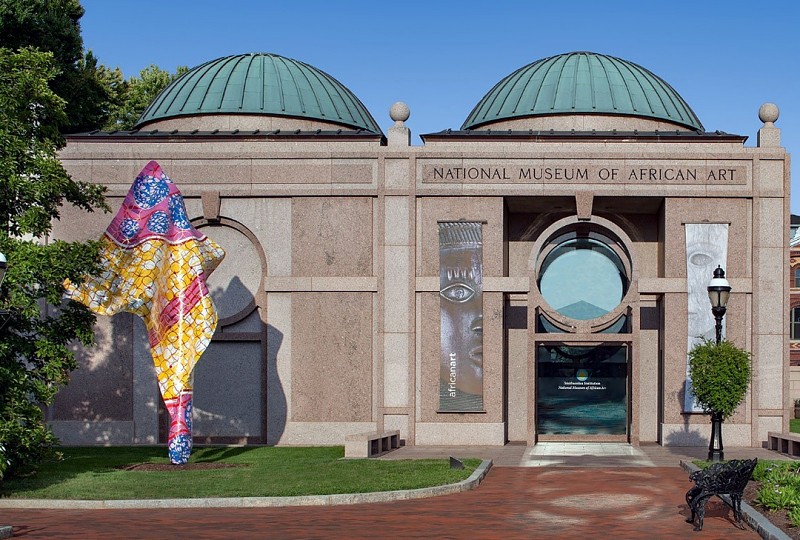
A Sanctuary of Ancestral Echoes
In the heart of Washington, D.C., tucked subtly away from the bustling energy of the National Mall, lies a profound sanctuary where the pulse of an entire continent beats through stone, wood, and thread. The National Museum of African Art is not merely a repository of objects; it is a living dialogue between the ancient past and the vibrant present. Established in 1964 by the visionary Warren M. Robbins, the museum was born from a singular, passionate quest to foster intercultural understanding and celebrate the profound depth of Black cultural identity. What began as a collection of remarkable finds from Hamburg antique shops has blossomed into the largest and most significant repository of African art in the United States, serving as a beacon for those who seek to understand the intricate tapestry of human creativity.
To enter this museum is to step into a space designed for deep, undistracted contemplation. The architecture itself is a masterstroke of intentionality; completed in 1987, the building’s predominantly underground structure allows it to integrate seamlessly with the surrounding landscape. This design choice reflects Robbins's belief that art should command the viewer's full attention, free from the distractions of the external world. As visitors descend, they are enveloped in an atmosphere where the weight of history and the lightness of contemporary innovation coexist. For the interior designer or the lover of fine aesthetics, the museum offers a masterclass in how space can be utilized to elevate the presence of monumental sculptures and delicate artifacts alike.
The Soul of the Collection
The collection within these walls is nothing short of breathtaking, spanning millennia of artistic evolution across Sub-Saharan and North African traditions. With over 9,000 pieces, the museum invites a journey through diverse textures and symbolic languages. One might find themselves mesmerized by the powerful presence of masks—carved with meticulous precision to embody deities and ancestral spirits—where every notch and curve serves as a vessel for spiritual belief. These works are complemented by the rhythmic beauty of textiles, where woven patterns act as visual scripts, telling stories of social ritual, status, and cosmic order. For the collector, the museum provides an unparalleled look at the technical mastery of African artisans, from the sophisticated metalwork that catches the light to the enduring strength of monumental wood carvings.
Yet, the museum’s narrative does not stop at the borders of tradition. It is a dynamic institution that actively champions the voices of contemporary African artists, bridging the gap between historical legacy and modern social discourse. By showcasing current trends and addressing pressing global issues, the museum ensures that African art remains a vital, evolving force in the international art world. This duality—the preservation of sacred, ancient techniques alongside the exploration of cutting-edge, experimental media—is what makes the National Museum of African Art a unique destination. It is a place where the echoes of the ancestors meet the urgent cries of the present, creating an immersive experience that resonates long after one has departed its quiet, subterranean halls.




