
A Sanctuary of American Vision: Exploring Reynolda House Museum of American Art
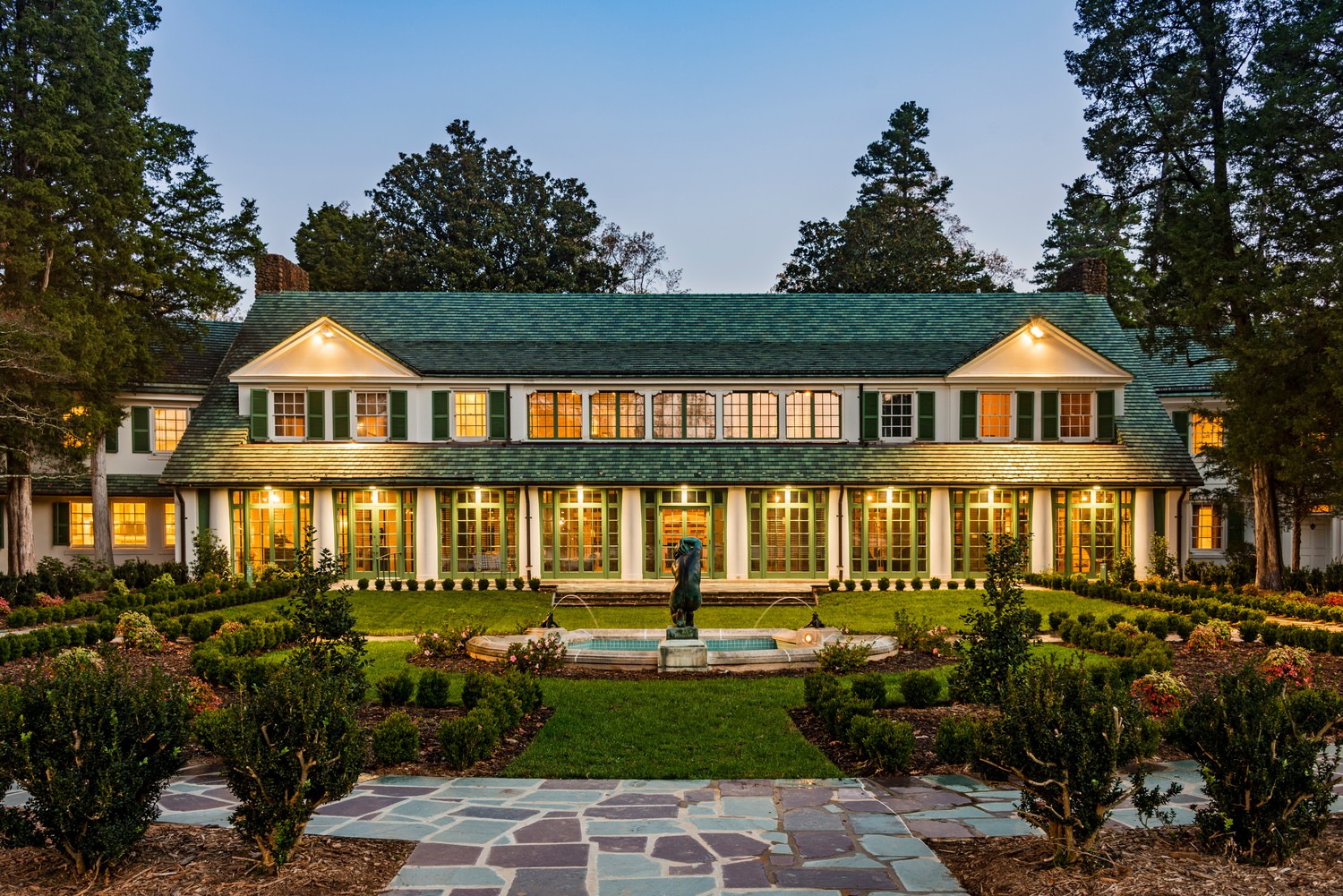
Nestled within a meticulously preserved estate in Winston-Salem, North Carolina, Reynolda House Museum of American Art isn’t merely a collection of paintings; it's an immersive journey through the heart and soul of America. Built between 1912 and 1917 for R.J. Reynolds, the titan of the tobacco industry, and his wife Katharine Smith Reynolds, the house itself is a masterpiece of early 20th-century country estate design – a testament to refined elegance and a reflection of the era’s burgeoning optimism. Architect Charles Barton Keen masterfully blended elements of Georgian Revival with Arts & Crafts influences, creating a space that feels both grand and intimately welcoming. The iconic green Ludowici terra cotta tile roof, a distinctive feature echoing throughout Winston-Salem's architecture, immediately speaks to the house’s place within its community and its enduring legacy.
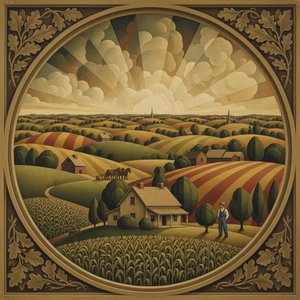
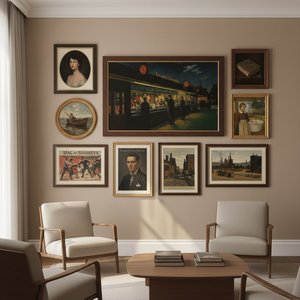
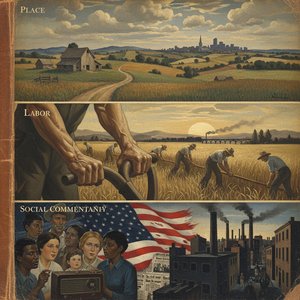
Beyond its architectural splendor, Reynolda House boasts an extraordinary collection spanning three centuries of American art. It’s a narrative woven with threads of domestic life, landscapes that capture the spirit of the nation, and powerful social commentary. The museum's curators have skillfully assembled works by some of America’s most celebrated artists – Mary Cassatt, whose delicate depictions of women and children offer poignant glimpses into the rhythms of everyday existence; Georgia O’Keeffe, whose iconic floral paintings and abstracted landscapes evoke a profound connection to the natural world; Jacob Lawrence, whose dynamic modernist style powerfully narrates African American experiences; Frederic Church, whose monumental landscapes transport viewers to the vastness of the American wilderness; and Gilbert Stuart, whose portraits capture the essence of early America's prominent figures. But Reynolda’s strength lies not just in these familiar names, but also in its ability to reveal lesser-known artists and movements, offering a richer, more nuanced understanding of the American artistic landscape.
A Living Estate: History and Grounds
Reynolda House is inextricably linked to the Reynolds family’s story – a tale of entrepreneurial success, philanthropy, and ultimately, tragedy. R.J. Reynolds' untimely death shortly after moving into the house underscored the fleeting nature of wealth and ambition, leaving Katharine Reynolds determined to preserve her husband’s legacy through this remarkable estate. The museum meticulously recreates the lifestyle of the Reynolds family, offering visitors a rare glimpse into their world. The surrounding village, complete with boutiques, shops, and restaurants, feels remarkably authentic, transporting you back to the early 20th century. But Reynolda's allure extends far beyond its historic home; exploring the expansive grounds is an experience in itself. Twenty-eight of the original thirty buildings remain, including a meticulously restored formal garden featuring Japanese cryptomeria and weeping cherry trees – a tranquil oasis that speaks to Katharine Reynolds’s appreciation for beauty and serenity. The reversion of Lake Katharine to wetlands provides vital habitat for local wildlife, demonstrating a commitment to environmental stewardship that continues today.
Exhibitions and Artistic Exploration
Reynolda House is far from a static museum; it's a vibrant center for artistic engagement. A rotating schedule of exhibitions brings fresh perspectives and highlights diverse themes within American art history. The Mary and Charlie Babcock Wing, added in 2002, provides dedicated space for temporary exhibitions and educational programs. Recent exhibitions have explored the evocative works of Andrew Wyeth, offering intimate portraits of rural life, and celebrated the legacy of Norman Rockwell, whose iconic illustrations captured the spirit of America during the mid-20th century. Beyond these major events, Reynolda regularly hosts lectures, workshops, and family activities, fostering a sense of community around art and culture. The museum’s commitment to education extends to all ages, ensuring that everyone can discover and appreciate the richness of American artistic heritage.
A Legacy Preserved: Unique Features and Connections
What truly distinguishes Reynolda House is its unique combination of historical significance, architectural grandeur, and a deep connection to the surrounding community. Affiliated with Wake Forest University since 2002, the museum benefits from collaborative research initiatives and educational partnerships. The preservation of the Reynolds estate – not just the house but also the village and gardens – represents an extraordinary commitment to safeguarding a tangible link to America’s past. Reynolda House isn't simply a repository for art; it’s a living testament to a family’s vision, a celebration of American creativity, and a sanctuary where history, nature, and art converge in a truly remarkable setting. A visit here is an invitation to step back in time, connect with the stories of those who came before us, and gain a deeper appreciation for the enduring power of American art.