
A Sanctuary of Healing: The Artistry of Medical Progress
Nestled within the historic heart of London, the Royal College of Obstetricians and Gynaecologists Museum offers a profoundly moving journey through the evolution of women’s healthcare. It is far more than a mere repository of clinical artifacts; it is a poignant testament to centuries of dedication, innovation, and an unwavering commitment to the human experience. As one wanders through its galleries, the museum unfolds an intimate narrative where medical history intertwines seamlessly with artistic expression. The collection presents a rare opportunity to witness how the tangible realities of past practices—often fraught with risk and uncertainty—are elevated through meticulous craftsmanship and evocative imagery.
The museum’s collection is particularly compelling for its dual focus on the practical tools of medicine and their aesthetic representation. Visitors are confronted by the heavy, silent presence of historic obstetric instruments, most notably the groundbreaking Chamberlen forceps from the 17th century. There is a haunting beauty in these objects; the delicate curves of the jaws and the precise positioning of the handles reflect an era where technological advancement was deeply rooted in an aesthetic sensibility of observation and precision. Alongside these steel and silver relics reside artworks that illuminate this medical journey, such as the powerful paintings by Terence Tenison Cuneo. His depictions of surgical operations capture both the clinical seriousness and the profound human compassion inherent in care, creating a dialogue between the coldness of metal and the warmth of life.
Portraits of Pioneers and Architectural Elegance
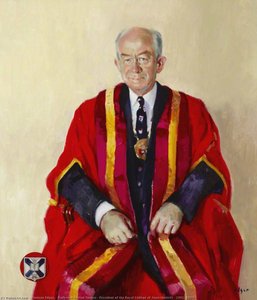
Beyond the instruments, the museum serves as a gallery of legacies, paying tribute to the individuals who have shaped the specialty of obstetrics and gynaecology. A striking feature of the collection is its series of portraits depicting past presidents of the Royal College. These are not merely formal likenesses intended for a boardroom; they are windows into the lives of visionaries like Sir Norman Jeffcoate and Sir John Dewhurst. Rendered with great skill by artists such as Ruskin Spear, these portraits transform historical figures into vibrant personalities. For the art lover, these works offer a study in character and the weight of responsibility, illustrating the lives of men driven by compassion to elevate the status of women’s health.
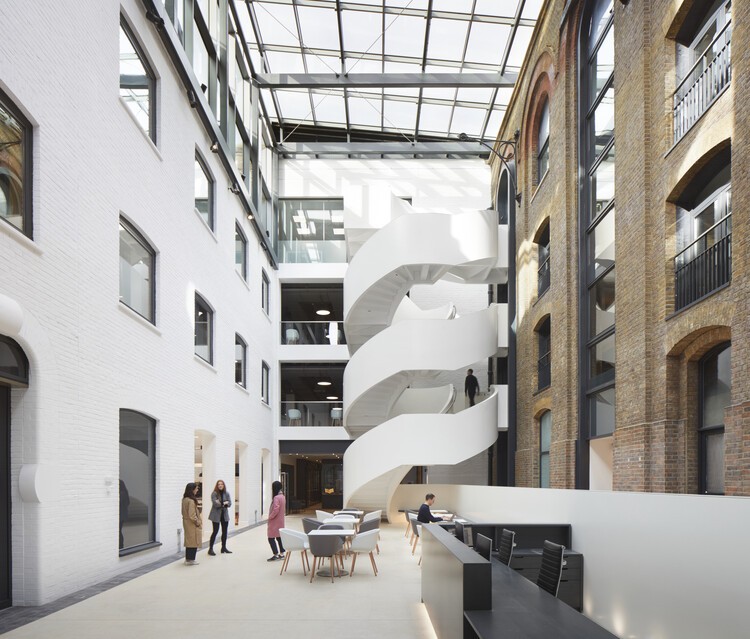
The setting for this historical encounter is as significant as the collection itself. The architecture of the Royal College building, constructed in 1929, provides a serene and contemplative atmosphere. Designed as a symbol of women's empowerment within the medical profession, the building represents a deliberate departure from traditional, imposing institutional designs, favoring instead an understated elegance and functional beauty. Its spacious galleries allow for a rhythmic flow of movement, fostering a sense of openness that invites meaningful engagement with each exhibit. This architectural grace provides the perfect backdrop for interior designers and enthusiasts seeking inspiration in the marriage of form and function.
A Living Legacy of Knowledge and Discovery
The RCOG Museum is not a static monument to the past but a living, breathing educational resource. It serves as a vital intersection for medical professionals, historians, and students, where guided tours unravel the complex stories behind every manuscript and anatomical model. The museum’s ongoing research initiatives delve into the shifting tides of societal attitudes toward childbirth and the transformative impact of medical discoveries. Through notable exhibitions that explore themes ranging from Renaissance anatomy to the dawn of modern reproductive technologies, the institution continues to broaden its global dialogue.
In an age of rapid digital advancement, the museum’s commitment to preservation ensures that these treasures are safeguarded for posterity. The meticulous conservation of rare manuscripts and historical tools allows each generation to touch the pulse of medical history. For collectors of history and lovers of fine art, the museum stands as a timeless reminder that progress in healthcare is inseparable from our ability to document, illustrate, and remember the human struggle for wellbeing. It remains a beacon of knowledge, inspiring continued exploration into the future of medicine.