

A Journey Through Time: The Royal College of Physicians and Surgeons of Glasgow
Nestled within the historic heart of Glasgow, the Royal College of Physicians and Surgeons of Glasgow offers more than just a glimpse into medical history; it’s an immersive experience that intertwines scientific advancement with artistic legacy. Founded in 1599 by King James VI, this institution began as a regulator of healthcare standards but has evolved into a vibrant center for learning, research, and the preservation of a remarkable collection – a testament to Scotland's contribution to medicine and a surprisingly rich source of visual artistry.
The museum’s strength lies in its carefully curated blend of historical artifacts and artistic representations. Visitors are immediately struck by the building itself, a stately example of late Victorian architecture that speaks volumes about the College’s enduring commitment to academic excellence. The grand hall, with its soaring ceilings and intricate detailing, sets the stage for an exploration spanning six centuries. But it's within the museum’s galleries that the true treasures reside – a captivating array of medical instruments dating back to the 17th century alongside portraits of influential figures who shaped Scottish medicine. These aren’t merely static displays; they are windows into the lives and minds of those dedicated to healing, offering intimate glimpses into their professional journeys and personal legacies.
A Collection of Precision and Passion
The museum's collection is organized around several key areas, each revealing a fascinating chapter in medical history. The Medical Instruments gallery is undoubtedly a highlight, showcasing an astonishing array of tools – from early surgical saws and forceps to more sophisticated devices reflecting the evolution of diagnostic techniques. These instruments aren’t just functional objects; they are miniature works of engineering, demonstrating remarkable ingenuity and adaptation over time. Equally compelling is the Rare Books & Manuscripts section, housing centuries-old medical texts, research papers, and personal correspondence that illuminate the intellectual landscape of past physicians. The Anatomy Collection provides a sobering yet profoundly informative look at the human body through meticulously preserved specimens and detailed anatomical models – a tangible reminder of the scientific breakthroughs achieved through observation and dissection.
Faces of Medicine: The Portrait Gallery
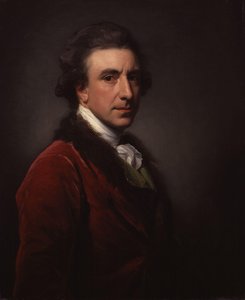
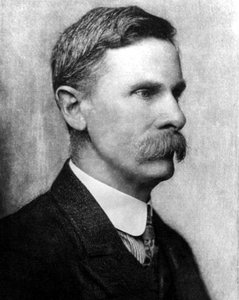
Perhaps one of the most distinctive aspects of the museum is its Portrait Gallery, which celebrates the individuals who have shaped the Royal College’s history. These aren't simply formal portraits; they are evocative representations of leadership, intellect, and dedication. Notable amongst these are the commissioned works depicting Presidents like Robert Hume (1990-1992) and Professor Brian O. Williams (2006–2009), each rendered with a remarkable attention to detail by talented artists such as Richard Foster and Linda Atherton respectively. These portraits, painted during their tenure, capture not just their physical likeness but also the essence of their character – a blend of seriousness, wisdom, and compassion. They offer a poignant connection to the individuals who guided the College through pivotal moments in its history.
A Living Institution with Enduring Significance
What truly distinguishes the Royal College of Physicians and Surgeons of Glasgow is that it remains an active professional body today. This continuity adds another layer of significance to the museum’s collection, providing a living link between the past and the present. The College continues to uphold its original mission of regulating medical standards and fostering innovation – a commitment reflected in its ongoing research initiatives and educational programs. Furthermore, the institution's role as a center for professional development ensures that the legacy of its founders lives on through the training and mentorship of future generations of physicians and surgeons.
Beyond the Walls: A Legacy of Innovation
The museum’s influence extends far beyond its physical walls. The Royal College actively supports medical research, advocates for healthcare policy, and fosters collaboration among practitioners across Scotland and around the world. Its commitment to innovation is evident in its ongoing efforts to modernize medical education and promote best practices – a testament to the enduring spirit of inquiry that has defined the institution since its founding. A visit to the Royal College of Physicians and Surgeons of Glasgow isn’t just a journey through history; it's an opportunity to appreciate the profound impact of medicine on society and the remarkable individuals who have dedicated their lives to the pursuit of healing.