
A Melodic Journey Through Azerbaijan’s Soul
To step into the State Museum of Musical Culture of Azerbaijan in Baku is to leave the modern bustle of the Caspian coast behind and enter a realm where history breathes through vibration and resonance. Established in 1967, this cultural sanctuary serves as much more than a mere repository for artifacts; it is a living, breathing archive of a nation’s identity. The museum acts as a vessel for the very essence of Azerbaijani spirit, capturing the evolution of sound from the ancient, whispered folk melodies of nomadic ancestors to the sophisticated, structured grandeur of classical compositions. For the art lover and the historian alike, the museum offers an intimate encounter with the intangible, transforming the ephemeral nature of music into a tangible, tactile experience through its vast collection of over 20,000 precious items.
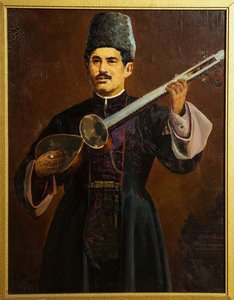
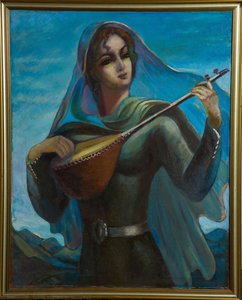
The heart of the museum beats most vibrantly within its extraordinary assembly of traditional instruments, each a masterpiece of craftsmanship and cultural symbolism. One cannot wander through these halls without being drawn to the iconic tar , whose pear-shaped silhouette and long neck represent the very soul of Azerbaijani music—a symbol of both resilience and deep artistic contemplation. Beside it, the hauntingly beautiful kamancha , with its delicate bowed strings, evokes a profound sense of melancholy and grace. The collection extends into the rhythmic pulse of the daf and qoshanaghara , instruments that carry the energy of ancient celebrations, and reaches toward the spiritual heights of the zurna and ney . For the discerning collector of cultural history, the presence of rare specimens like the asa-tar and asa-saz offers a glimpse into a vanishing world, preserving techniques and aesthetics that have survived the tides of time.
Architectural Harmony and the Legacy of Maestros
The museum’s physical presence within Baku’s Museum Center reflects a sophisticated dialogue between tradition and modernity. The architecture embodies the city's evolving character, blending historical echoes with contemporary design to create a space that feels both grounded in heritage and forward-looking. This architectural elegance provides a serene backdrop for the museum’s more personal treasures: the house museums dedicated to Azerbaijan’s most luminous musical figures. To walk through the former residences of legends such as Niyazi , Vagif Mustafazade , and Gara Garayev is to experience a poignant connection to the creative spark. Surrounded by personal effects, original photographs, and the very air of their creative sanctuaries, visitors can almost hear the echoes of the compositions that once took shape within these walls.
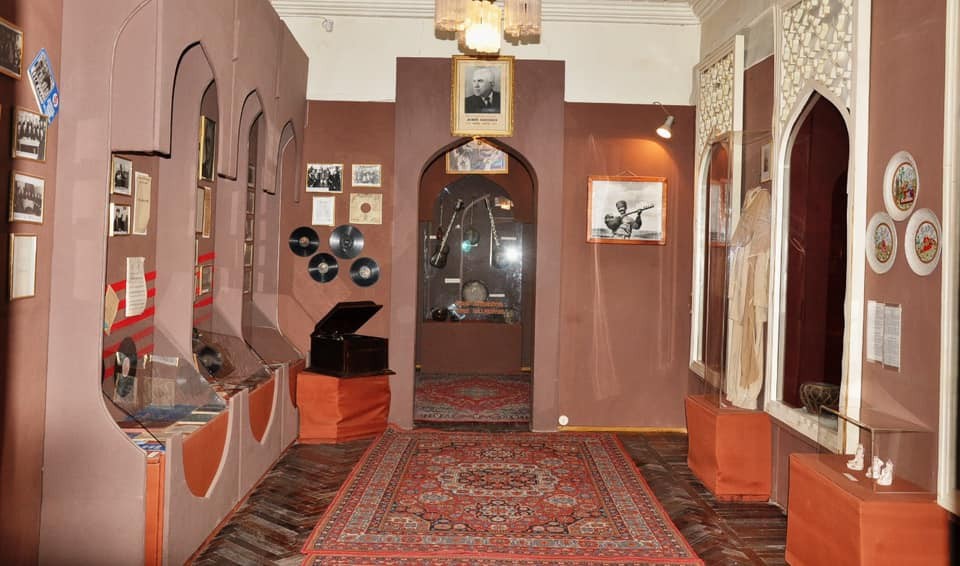
Beyond the physical instruments, the museum preserves the intellectual genesis of Azerbaijani music through an invaluable collection of manuscripts. Most notable are the original scores penned by Uzeyir Hajibeyov , the revered father of Azerbaijani opera and instrumental music. These documents are not merely ink on paper; they are the blueprints of a national sound, revealing the meticulous creative process of a pioneer who bridged the gap between Eastern traditions and Western classical forms. This dedication to preservation is complemented by a fascinating technological archive, featuring early gramophones and records that offer a sonic window into the dawn of recorded sound in the region. For interior designers and curators seeking inspiration, the museum stands as a testament to how the preservation of the past can create a profound, sophisticated atmosphere of cultural depth and timeless elegance.