
A Living Archive of the Dramatic Soul
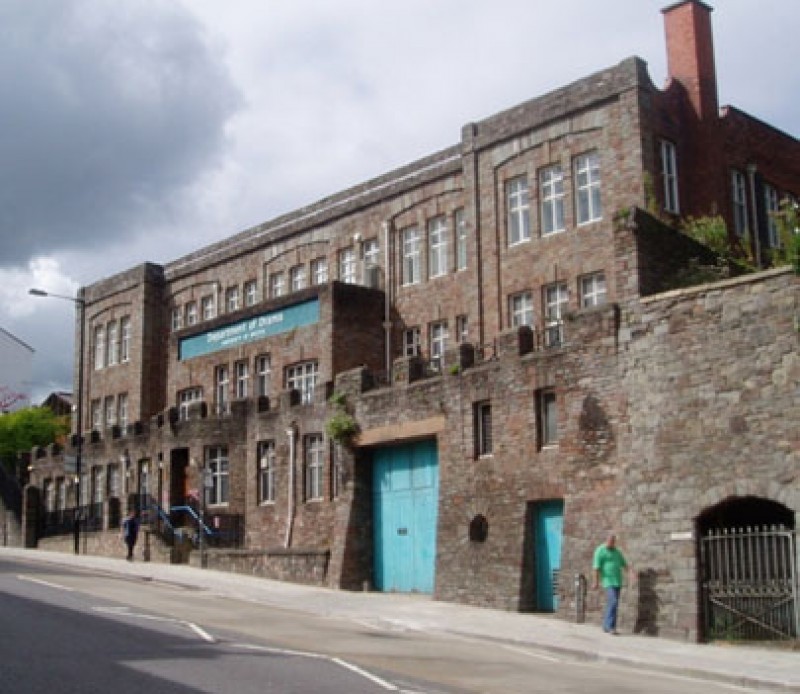
To step into the University of Bristol Theatre Collection is to enter a sanctuary where the ephemeral nature of performance is captured in permanent, tangible form. Established in 1951 by the university’s Department of Drama, this extraordinary repository has evolved from a scholarly endeavor into one of the world's most significant archives of British theatre history and Live Art. It serves as a profound bridge between the fleeting magic of a single night on stage and the enduring legacy of theatrical innovation. For the art lover or the historian, the collection offers more than mere objects; it provides a sensory journey through the evolution of storytelling, spanning from the Elizabethan era to the avant-garde movements of the twenty-first century.
The true heartbeat of the collection lies in its remarkable diversity of media, where the boundaries between fine art and stagecraft dissolve. One cannot help but be moved by the ceramic assemblages housed within, where artists have utilized clay to translate theatrical atmosphere into physical form. These vessels often feature stylized masks or intricate textures that mirror the subtle glazes of a production's mood, acting as sculptural echoes of the stage itself. Alongside these, the costume collection stands as a breathtaking testament to the artistry of fabric and thread. From the opulent, heavy silks of Elizabethan gowns to the practical, weathered attire of the Victorian era, each garment is a masterpiece of craftsmanship, carrying the literal scent and spirit of the performers who once inhabited them.
The Texture of Performance and Memory
Beyond the tactile allure of textiles and ceramics, the collection breathes through its vast photographic and documentary archives. Here, the faces of legends like Laurence Olivier and Edith Evans are preserved in silver halide, offering a hauntingly intimate glimpse into the golden ages of British performance. These images transcend simple documentation; they are portraits of an era's aesthetic sensibility, capturing the light, shadow, and raw emotion that define the theatrical experience. When paired with the collection’s meticulously preserved playbills, set models, and ephemeral programs, a vivid tapestry emerges—one that allows researchers and enthusiasts alike to reconstruct the vanished worlds of iconic productions.
The significance of this institution is further deepened by its symbiotic relationship with the historic Bristol Old Vic. As one of Britain's oldest active theatres, the Old Vic provides a living context for the archives, ensuring that the research conducted within these walls remains connected to the pulse of contemporary performance. This dialogue between the historical record and the living stage makes the Theatre Collection a unique destination for interior designers seeking inspiration in period detail and scholars seeking the roots of modern drama. It is a place where the ghosts of the past and the innovators of the present meet, safeguarding the enduring power of the human narrative through every stitch, photograph, and sculpted fragment.