

 Vorschau anzeigen
 Versenden
 Teilen
 Details anzeigen

 Herunterladen
 Ähnliche Objekte
 Röntgenaufnahme
 Diashow
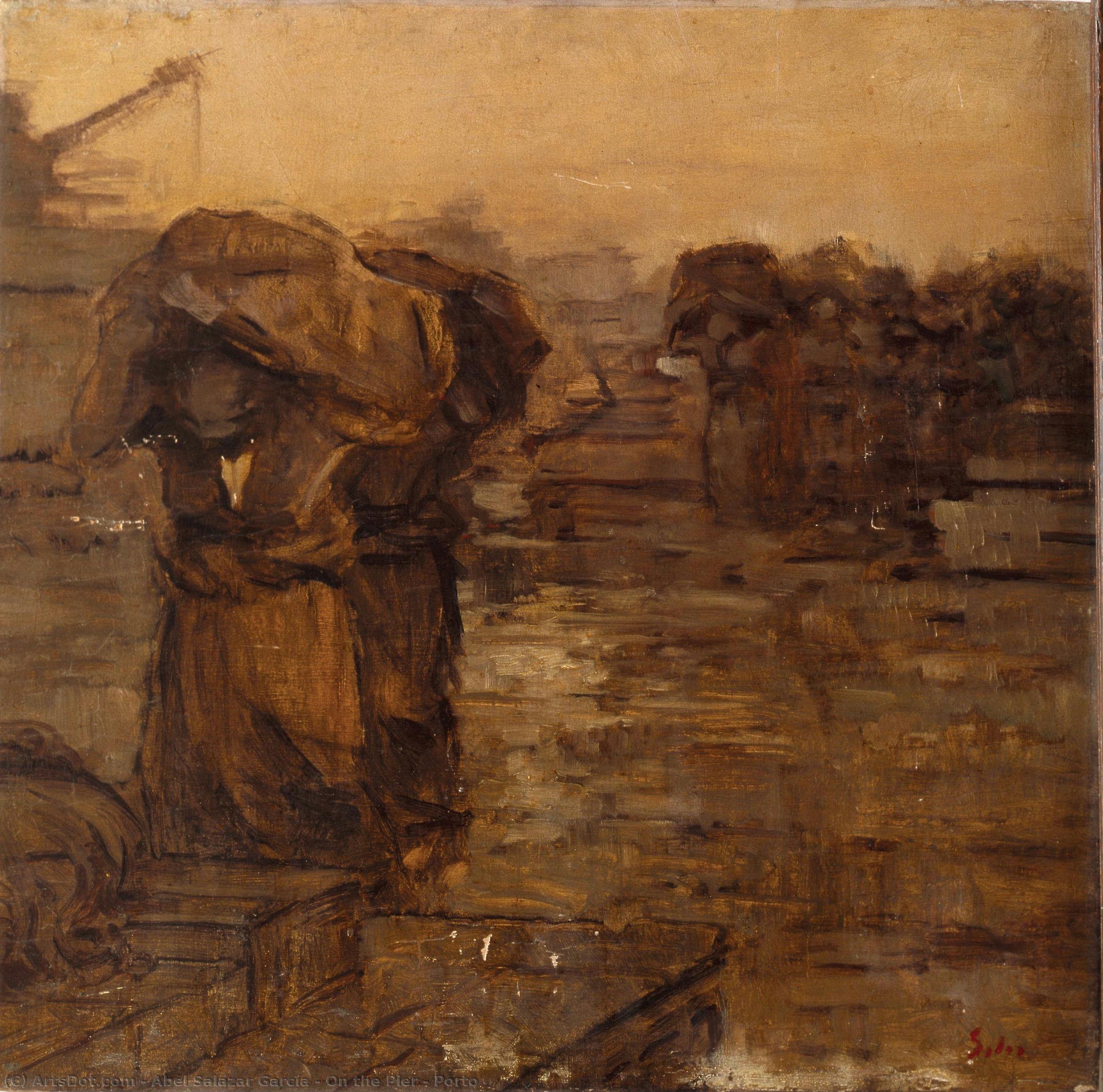
On the Pier – Porto
 Oil On Canvas
- WallArt
- Neo-Realism
 1930
1930 70.0 x 70.0 cm
 National Museum of Contemporary Art - Museu do Chiado
 Weiterlesen
Handgefertigte Ölreproduktion
Handgemaltes Ölgemälde auf Leinwand in Ihrer Wunschgröße und mit Rahmen, auf Bestellung von unseren Künstlern angefertigt. ( Druck bestellen Bild kaufen)




P118B $10

P118H $10

P118W $10

P438Z $10

P508JH $12

P508YH $12

P805H $10

P805Z $10

P919BZ $10

P919G $10

P919XJ $10

P959ZH $10

P968JZ $12

W106C $8

W218G $10

W218JH $8

W218Y $10

W307PJ $10

W316G $10

W316PJ $8

W316Y $10

W398PJ $8

W4111J $10

W500HY $15

W500JH $15

W692G $12

W849H $8

W940BG $15

W953PJ $8




Wählen Sie aus unseren vordefinierten Formaten, die den ursprünglichen Proportionen des Kunstwerks entsprechen.

Sie können Ihre eigenen Maße eingeben, um einen bestimmten Rahmen oder Platz auszufüllen. Wenn die gewählte Größe nicht den Proportionen des Originalbildes entspricht, werden wir das Kunstwerk entweder beschneiden oder das Gemälde durch zusätzliche, handgemalte Elemente erweitern. Ein digitales Mockup wird Ihnen zur Genehmigung zugesandt, bevor die Produktion beginnt.
Bitte beachten Sie, dass die Bildschirmvorschau nicht die tatsächliche Beschneidung oder Erweiterung widerspiegelt. Nur das Mockup zeigt die endgültige Komposition exakt an.
Obwohl Sondermaße verfügbar sind, empfehlen wir, eine Größe aus der vordefinierten Liste zu wählen, um die ursprünglichen Proportionen beizubehalten.
Nach der Bestellung wird das ArtsDot.com-Team dem Kunden Anweisungen per E-Mail zusenden und eine Mockup-Vorschau bereitstellen.
Weltweiter Versand () in nur 3 bis 4 Wochen statt der üblichen 5 Wochen. (1 September). Keine Kompromisse bei der Qualität.

Kostenloser weltweiter Expressversand

Hochwertige Leinenleinwand

Umfassender Versicherungsschutz beim Versand

Zollgebühren-Rückerstattungsgarantie

Garantie für exakte Farbtreue

60 Tage Rückgaberecht (nur bei Mängeln)

100% Geld-zurück-Garantie

Mengenrabatt verfügbar
 Die Glasoption ist nur für Größen unter 110 cm verfügbar.

On the Pier – Porto
Art der Reproduktion
Format der Reproduktion
-


Gesamtpreis
$ 263
A Moment on the Pier – Abel Salazar’s Porto
Abel Salazar García's “On the Pier – Porto,” painted in 1930, isn’t merely a depiction of a rainy day; it’s a poignant snapshot of early 20th-century Portuguese life, imbued with a quiet dignity and social awareness rarely found in contemporary art. The painting captures a scene along the Ribeira do Porto docks – not a grand vista of commerce or maritime power, but rather a humble tableau of everyday people navigating a persistent drizzle. The work’s enduring appeal lies in its ability to evoke a specific time and place, transporting the viewer to a moment of quiet observation within a bustling urban environment.
Salazar's style leans heavily into the tenets of Social Painting, a movement gaining traction in Portugal during this period. Rejecting the idealized portrayals common in academic art, he sought to represent the lives and struggles of ordinary people with honesty and empathy. His palette is deliberately restrained – a muted range of browns, greys, and ochres—reflecting the dampness and earthy tones of the dockside setting. This limited color scheme contributes significantly to the painting’s somber mood, emphasizing the weight of the weather and the subdued nature of the scene.
The Figures and Their Narrative
The composition is anchored by two central figures: a man carrying an oversized umbrella, his face partially obscured, and a woman holding a smaller one. These individuals are not presented as heroes or protagonists; instead, they are simply observed, their actions suggesting a routine interaction within the larger community. Around them, other figures – laborers, vendors, perhaps even casual observers – populate the pier, each contributing to the sense of collective experience. The artist’s loose, expressive lines and slightly flattened perspective create an immediate connection with the viewer, as if we are witnesses to this fleeting moment.
Notably, Salazar avoids romanticizing the scene. There's no dramatic gesture or heroic pose; instead, the figures move with a quiet purpose, their faces reflecting a blend of resilience and resignation. The umbrellas themselves become symbolic – shields against the elements, perhaps representing a shared struggle against adversity. The positioning of the figures also subtly suggests a hierarchy, with the man in the larger umbrella taking precedence, though this is not asserted through any overt gesture or expression.
Historical Context and Artistic Influences
“On the Pier – Porto” emerged during a period of significant social and political change in Portugal. The early 20th century witnessed growing urbanization, industrialization, and increasing awareness of social inequalities. Salazar’s work reflects this evolving consciousness, aligning him with the broader trend of Social Painting that sought to document and critique the realities of everyday life. He drew inspiration from European Realist painters like Gustave Courbet and Jean-François Millet, who similarly depicted working-class subjects with unflinching honesty.
Interestingly, Salazar’s work also foreshadowed developments in Brazilian Neo-Realism, particularly the approach of Júlio Pomar, who would later champion a similar commitment to social engagement within his art. The artist's focus on portraying the lives and experiences of ordinary people—particularly those marginalized by society—demonstrates a remarkable prescience.
A Timeless Reflection
“On the Pier – Porto” is more than just a painting; it’s a meditation on human experience, resilience, and the quiet dignity of everyday life. The evocative use of light, color, and composition creates a powerful emotional resonance, inviting viewers to contemplate the shared humanity that connects us all. The work's enduring appeal lies in its ability to capture a specific moment in time while simultaneously speaking to universal themes of community, hardship, and hope—a testament to Abel Salazar García’s artistic vision.
Ähnliche Kunstwerke




Über den Künstler
Leben
Abel Salazar García (* 24. September 1917 in Mexiko-Stadt; † 21. Oktober 1995 in Cuernavaca) war ein mexikanischer Schauspieler, Filmregisseur und Filmproduzent. Er begann seine darstellerische Karriere nach verschiedenen Anstellungen als Archivar und Bademöbelverkäufer als Zweiter Mann von Komikern in Mexiko-Stadt. Beim Film konnte er 1941 in La casa del rencor von Chano Urueta debütieren. Gleich sein nächster Film mit demselben Regisseur, eine Version von Der Graf von Monte Christo, wird ein großer Erfolg. Schwierigkeiten in der privaten Beziehung zu seiner Verlobten, Schauspielkollegin Gloria Marín, die ihn vorübergehend verlässt, führten jedoch zu einer Krise, die er 1944 endgültig überwinden konnte, als mit Capullito de Alhelí sich Erfolg einstellt; weitere erfolgreiche Arbeiten wie Las cinco advertencias de Satanás (1945, von Fernando Soler), Los tres García (1946, von Ismael Rodríguez), Mi esposa busca novio (1947, von Carlos Orellana), La Panchita (1948, von Emilio Gómez Muriel), Yo quiero ser hombre (1950, von René Cardona), Una viuda sin sostén (1950, von Miguel M. Delgado) und Canasta uruguaya (1952, erneut von René Cardona) folgten. Dann ging Salazar nach Spanien, wo er in einer erklecklichen Anzahl von Abenteuerfilmen (wie El coyote aus dem Jahr 1954, von Joaquín Luis Romero Marchent) und vor allem Horrorfilmen, die er teilweise auch produzierte (so El vampiro und Der Sarg des Vampiro (beide 1957) von Fernando Méndez inszeniert), mitwirkte.Filmografie
**Actor** 1989 **Mi segunda madre (TV Series)**as Rafael - Episode #1.1 (1989) - Rafael - Episode #1.3 - Rafael - Episode #1.2 - Rafael 1987 **El otro**as Sr. Heredia 1969 **Paula** 1966 **El indomable**as Lico Martínez / Antonio CamRegie
1974: The Bullfighters – Das Todeslied der stählernen Ketten (Peor que los buitres) ## Weitere Informationen Abel Salazar García war ein Sohn von Don Garca und dessen Frau, und Bruder zu Don Alfredo Salazar. Nach mehreren Ehen mit Alicia Crdenas und Gloria Marín heiratete er schließlich Rosita Arenas, die ihn vorübergehend verließ. Salazar und Arenas hatten eine Tochter, Rosa Salazar Arenas, eine mexikanische Schauspielerin und Drehbuchautorin. Sie co-authored Rituales Para El Amor, La Belleza y La Prosperidad (1998), mit Pita Ojeda. Er starb am 21. Oktober 1995 in Cuernavaca aufgrund von Atemwegserkrankungen und Alzheimer. Seine letzte Rolle spielte er im Kino für Arturo Ripstein.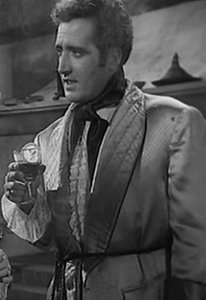
Abel Salazar García
1917 - 1995 , Mexiko
Kurzinfos
- Artistic Movement Or Style: Expressionismus
- Artists Or Movements Influenced By This Artist: ['']
- Artists Who Influenced This Artist: ['']
- Date Of Birth: September 24, 1917
- Date Of Death: October 21, 1995
- Full Name: abel salazar garcía
- Nationality: mexikanisch
- Notable Artworks:
- Die Vorstadts
- Auf dem Pier – Porto
- Place Of Birth: Mexiko Stadt, Mexiko
Ähnliche Artikel
Romantic Realism's Finest: 10 Masterpieces for Your Home | ArtsDot
Explore 10 defining masterpieces of Romantic Realism! Discover Courbet, Millet & Daumier's powerful paintings—capturing emotion and social realities. Find museum-quality reproductions for your home at ArtsDot.com.
Die 1930er in der Kunst: 10 Meisterwerke für Ihr Zuhause | ArtsDot
Entdecken Sie die 10 bedeutendsten Kunstwerke der 1930er Jahre! Von Otto Dix bis Magritte – erleben Sie Expressionismus, Surrealismus & Art Deco. Hochwertige Reproduktionen für Ihr Zuhause auf ArtsDot.com.

Echoes of Society: Exploring Social Realism's Enduring Legacy in Art
Explore the powerful world of Social Realism art! Discover key artists, masterpieces & its profound social commentary. Expert insights into this influential movement's history and enduring legacy.

The Poetic Truth of Observation: Exploring 19th-Century Realism in Painting
Explore the captivating world of 19th-century Realism! Discover key artists like Courbet & Millet, masterpieces, and the powerful social commentary behind this influential art movement. Expert insights at ArtsDot.
The Evocative Embrace of Reality: Exploring Romantic Realism in 19th-Century Painting
Explore the captivating world of Romantic Realism! Discover key artists like Courbet & Millet, masterpieces, and the social context behind this influential art movement. Expert insights for collectors at ArtsDot.

