 Vorschau anzeigen
 Versenden
 Teilen
 Details anzeigen

 Herunterladen
 Ähnliche Objekte
 Röntgenaufnahme
 Diashow
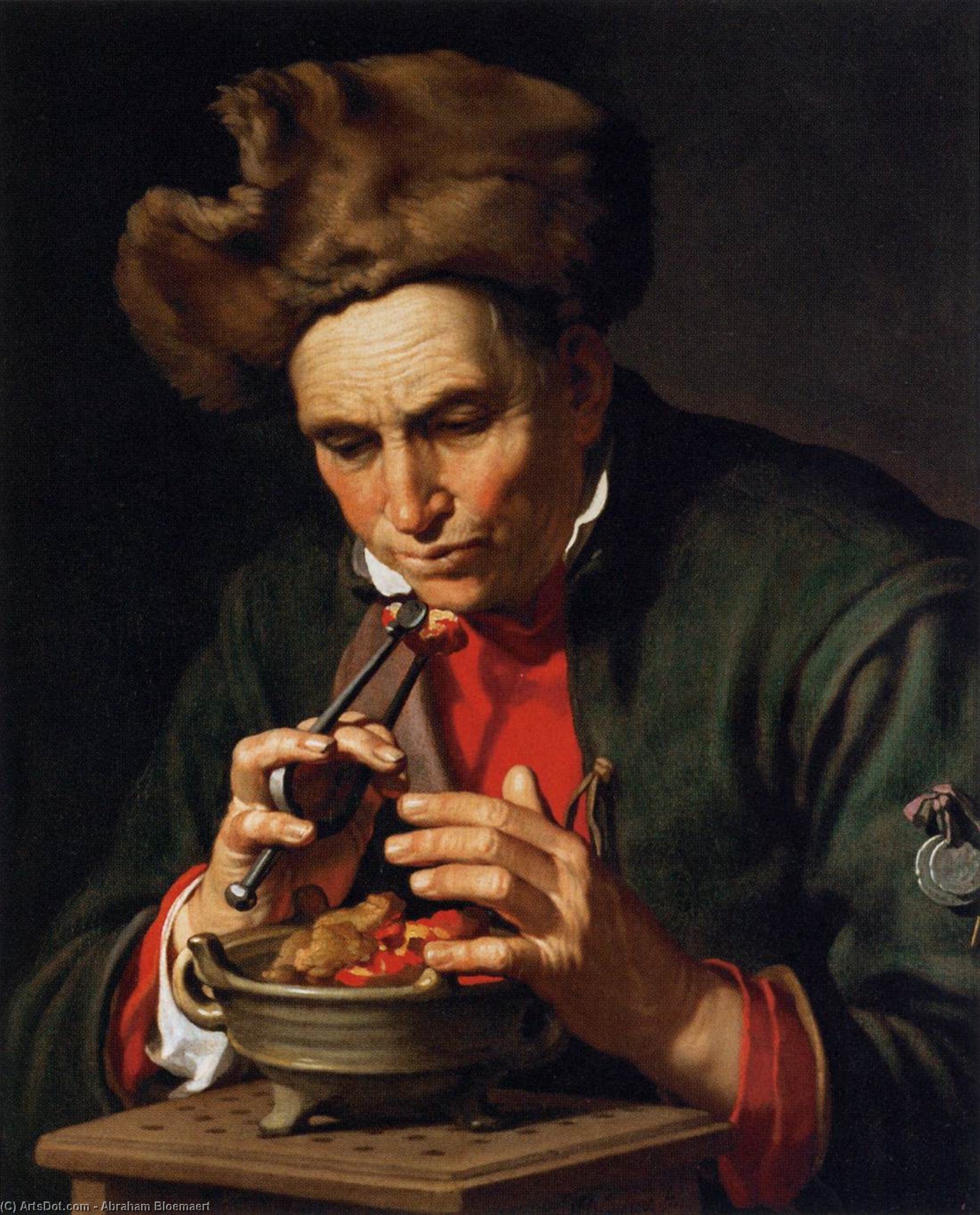
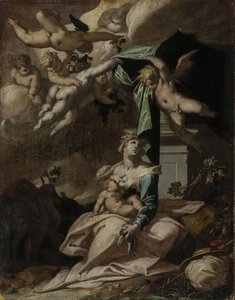
Allegory of Winter
 Oil On Canvas
- WallArt
- Baroque
 1625
1625- Early Modern
 70.0 x 57.0 cm
 Louvre
 Weiterlesen
Handgefertigte Ölreproduktion
Handgemaltes Ölgemälde auf Leinwand in Ihrer Wunschgröße und mit Rahmen, auf Bestellung von unseren Künstlern angefertigt. ( Druck bestellen Bild kaufen)




P118B $10

P118H $10

P118W $10

P438Z $10

P508JH $12

P508YH $12

P805H $10

P805Z $10

P919BZ $10

P919G $10

P919XJ $10

P959ZH $10

P968JZ $12

W106C $8

W218G $10

W218JH $8

W218Y $10

W307PJ $10

W316G $10

W316PJ $8

W316Y $10

W398PJ $8

W4111J $10

W500HY $15

W500JH $15

W692G $12

W849H $8

W940BG $15

W953PJ $8




Wählen Sie aus unseren vordefinierten Formaten, die den ursprünglichen Proportionen des Kunstwerks entsprechen.

Sie können Ihre eigenen Maße eingeben, um einen bestimmten Rahmen oder Platz auszufüllen. Wenn die gewählte Größe nicht den Proportionen des Originalbildes entspricht, werden wir das Kunstwerk entweder beschneiden oder das Gemälde durch zusätzliche, handgemalte Elemente erweitern. Ein digitales Mockup wird Ihnen zur Genehmigung zugesandt, bevor die Produktion beginnt.
Bitte beachten Sie, dass die Bildschirmvorschau nicht die tatsächliche Beschneidung oder Erweiterung widerspiegelt. Nur das Mockup zeigt die endgültige Komposition exakt an.
Obwohl Sondermaße verfügbar sind, empfehlen wir, eine Größe aus der vordefinierten Liste zu wählen, um die ursprünglichen Proportionen beizubehalten.
Nach der Bestellung wird das ArtsDot.com-Team dem Kunden Anweisungen per E-Mail zusenden und eine Mockup-Vorschau bereitstellen.
Weltweiter Versand () in nur 3 bis 4 Wochen statt der üblichen 5 Wochen. (23 August). Keine Kompromisse bei der Qualität.

Kostenloser weltweiter Expressversand

Hochwertige Leinenleinwand

Umfassender Versicherungsschutz beim Versand

Zollgebühren-Rückerstattungsgarantie

Garantie für exakte Farbtreue

60 Tage Rückgaberecht (nur bei Mängeln)

100% Geld-zurück-Garantie

Mengenrabatt verfügbar
 Die Glasoption ist nur für Größen unter 110 cm verfügbar.

Allegory of Winter
Art der Reproduktion
Format der Reproduktion
-


Gesamtpreis
$ 263
Beschreibung des Kunstwerks
A Symphony of Warmth Amidst the Chill
In the quiet, flickering glow of a hearth, Abraham Bloemaert’s Allegory of Winter invites the viewer into a moment of profound intimacy and survival. Painted between 1625 and 1630, this masterpiece transcends a mere genre scene of a man enjoying a meal; it serves as a poignant meditation on resilience. The central figure, a gentleman draped in a striking scarlet jacket, sits anchored at his table, a vibrant splash of warmth against the encroaching shadows of the season. As he holds a bowl filled with nourishing stew or soup, there is an undeniable sense of tactile comfort—the weight of the ceramic, the steam rising from the food, and the soft presence of a female servant nearby who embodies the nurturing spirit required to endure the harshest months.
The painting captures more than just a physical meal; it captures the psychological state of a Netherlands navigating an era of profound transition. During the early Baroque period, Utrecht was a crucible of artistic and religious transformation. Bloemaert, a master who bridged the gap between the intricate elegance of Mannerism and the dramatic intensity of the Baroque, utilizes this setting to reflect the broader human struggle for stability amidst political and spiritual upheaval. To gaze upon this work is to feel the tension between the external cold of the world and the internal sanctuary of the home.
Mastery of Light and Shadow
Technically, Allegory of Winter is a triumph of the Utrecht Caravaggisti style. Bloemaert employs a masterful use of chiaroscuro, the dramatic interplay between deep, velvety shadows and piercing highlights, to sculpt the figures from the darkness. This technique does more than create three-dimensional depth; it directs the eye with theatrical precision toward the textures that define the scene—the coarse weave of the man's attire, the glint of light on the bowl, and the soft, weathered skin of the subjects. The use of oil on canvas allows for a rich, luminous quality that makes the scarlet tones of the gentleman's clothing appear almost tactile, pulling the viewer into the warmth of the firelight.
For the discerning collector or interior designer, this painting offers an unparalleled emotional anchor. Its composition is balanced yet dynamic, making it a sophisticated choice for spaces that require a sense of groundedness and historical weight. Whether placed in a study filled with books or as a focal point in a contemporary living space, the artwork brings a layer of narrative complexity and "hygge"—that much-coveted sense of cozy contentment—to any environment.
The Language of Symbolism
Every element within Bloemaert’s composition whispers a deeper meaning. The bread and wine, staples of the table, act as symbols of sustenance and the continuity of life, standing in defiance of the seasonal decay represented by winter. The very act of eating becomes a ritual of survival and a celebration of human dignity. Through his meticulous observation, Bloemaert transforms a simple domestic moment into an allegory of the soul's fortitude. This layer of hidden meaning ensures that the painting remains a subject of endless contemplation, offering new insights with every viewing, much like a well-loved classic that reveals its secrets only to those who linger.
Ähnliche Kunstwerke

Über den Künstler
Abraham Bloemaert (1564 – 1651): Bridging Mannerism and Baroque Brilliance
Abraham Bloemaert, born in Gorinchem around 1564, stands as a cornerstone of Dutch Baroque art—a painter who skillfully navigated the stylistic currents of his time, blending the elegance of Haarlem Mannerism with the dramatic dynamism championed by Caravaggio. His artistic journey began under the formative influence of his father, Cornelis Bloemaert I, a sculptor and architect who instilled in him an appreciation for meticulous craftsmanship and compositional balance. This early education provided a crucial foundation for Bloemaert’s subsequent explorations into artistic expression.Early Training and Parisian Exposure
By 1576, the Bloemaert family had relocated to Utrecht, where Abraham honed his skills alongside Gerrit Splinter and Joos de Beer—artists who were actively engaged in shaping the burgeoning Utrecht Caravaggisti movement. This association proved invaluable, exposing him to the innovative techniques and stylistic sensibilities of Caravaggio’s followers. A pivotal moment arrived when Bloemaert undertook a three-year sojourn in Paris from 1581 to 1583. During this period, he immersed himself in the artistic milieu of the French School, absorbing influences from Jehan Bassot and Maistre Herry—artists who championed refined aesthetics and embraced classical ideals. This Parisian experience broadened Bloemaert’s artistic horizons, fostering a deeper understanding of European artistic trends and preparing him for his triumphant return to Utrecht.The Utrecht Caravaggisti and Artistic Innovation
Upon returning to Utrecht, Bloemaert swiftly established himself as a leading figure in the Utrecht Caravaggisti movement—a group of painters who embraced the dramatic realism and tenebrism pioneered by Caravaggio. He skillfully incorporated these stylistic innovations into his oeuvre, creating paintings characterized by intense emotional expression and masterful use of chiaroscuro (the interplay between light and dark). Bloemaert’s canvases pulsated with vitality, reflecting the fervor of the Baroque spirit and cementing his reputation as a visionary artist. Notable works such as “The Expulsion of Hagar and Ishmael” exemplify this stylistic commitment—demonstrating his ability to convey profound narratives with breathtaking visual impact.A Diverse Artistic Output: Painting Beyond Genre
Bloemaert’s artistic output spanned an impressive range of genres, encompassing history painting, landscapes, still lifes, and animal portraits. He approached each subject with meticulous attention to detail and unwavering dedication to stylistic integrity—producing paintings that captivated audiences with their beauty and intellectual depth. His landscapes, particularly, stand out for their evocative depictions of Dutch countryside vistas—infused with atmospheric perspective and imbued with a palpable sense of tranquility. Furthermore, Bloemaert’s mastery extended beyond visual representation; he was also a prolific printmaker, producing etchings and engravings that disseminated his artistic vision widely. These prints served as crucial instruments in establishing his fame and influencing subsequent generations of artists.Legacy and Influence: Shaping Dutch Baroque Art
Abraham Bloemaert's influence resonated throughout the Utrecht Caravaggisti movement—inspiring countless painters to adopt his distinctive stylistic approach. He mentored a generation of Dutch artists, fostering a tradition of artistic excellence that endured for decades after his death in 1651. His legacy continues to inspire admiration and scholarly inquiry today—with his paintings recognized as masterpieces of Baroque art—testaments to a life devoted to artistic exploration and innovation. Bloemaert’s enduring contribution to Dutch art history ensures that his name will forever be associated with brilliance, dynamism, and the transformative power of visual expression.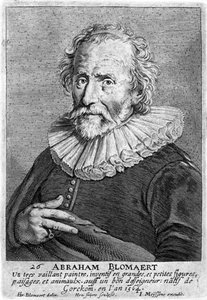
Abraham Bloemaert
1564 - 1651 , Niederlande
Kurzinfos
- Artistic Movement Or Style: Barock, Manierismus
- Artists Or Movements Influenced By This Artist: ['Utrechter Caravaggisti']
- Artists Who Influenced This Artist: ['Hieronymus Francken']
- Date Of Birth: 1564
- Date Of Death: 1651
- Full Name: Abraham Bloemaert
- Nationality: Niederländisch
- Notable Artworks:
- Die Ausweisung von Hagar und Ishmael
- Venus und Adonis
- Landschaft mit Bauern
- Place Of Birth: Gorinchem, Niederlande
Ähnliche Artikel

Die 10 Meisterwerke der niederländischen Barockmalerei – Kunst für Ihr Zuhause | ArtsDot
Entdecken Sie die 10 prägendsten Meisterwerke der niederländischen Barockmalerei! Von Rembrandt bis Vermeer – erleben Sie Kunstgeschichte, Techniken & Emotionen. Hochwertige Reproduktionen für Ihr Zuhause auf ArtsDot.com.

Golden Age Reflections: Dutch Baroque Painting & Cultural Innovation
Explore the Dutch Golden Age of painting! Discover key artists like Vermeer & ter Borch, their innovative techniques, and the rich cultural context behind these Baroque masterpieces. Learn about collecting & appreciating this iconic art period.
Abraham Hulk Senior und die maritime Topographie des niederländischen Goldenen Zeitalters: Eine Pionierleistung
Entdecken Sie das Werk von Abraham Hulk Senior, einem Pionier der niederländischen Marinemalerei des Goldenen Zeitalters. Erfahren Sie mehr über seine einzigartige Topographie und seinen Einfluss auf nachfolgende Künstler – mit Expertenwissen von ArtsDot.
Charles Leickert: Capturing the Dutch Golden Age Light – A Comprehensive Study of Technique, Context, and Legacy
Explore the captivating winter landscapes of Charles Leickert, a master of Dutch Golden Age light & atmosphere. Discover his techniques, symbolism, and lasting legacy – a comprehensive study for art enthusiasts and collectors.

Die 10 Meisterwerke des Goldenen Zeitalters der niederländischen Malerei |
Entdecken Sie die 10 Meisterwerke des Niederländischen Goldenen Zeitalters! Von Rembrandt bis Vermeer – erleben Sie Kunstgeschichte, Techniken & Emotionen. Hochwertige Gemäldereproduktionen für Ihr Zuhause auf .