 Vorschau anzeigen
 Versenden
 Teilen
 Details anzeigen

 Herunterladen
 Ähnliche Objekte
 Röntgenaufnahme
 Diashow
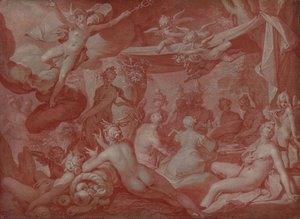
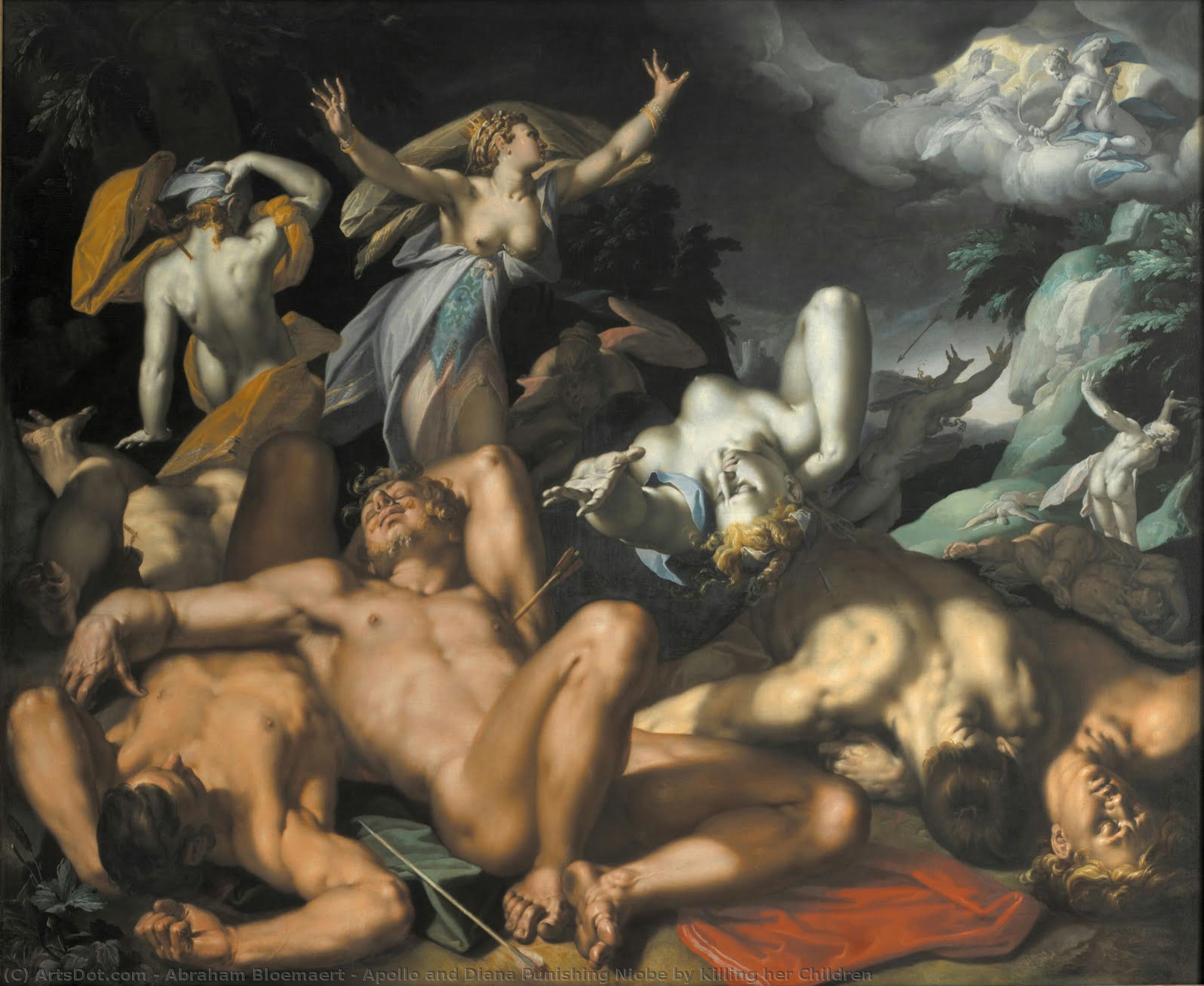
Apollo and Diana Punishing Niobe by Killing her Children
 Oil On Canvas
- WallArt
- Haarlem Mannerism
 1591
1591 249.0 x 203.0 cm
 Nationalgalerie Dänemark
 Weiterlesen
Giclée / Kunstdruck
Giclée- oder Leinwanddruck in Museumsqualität mit schneller Produktion und flexiblen Veredelungsoptionen. ( Handgemalte Reproduktion bestellen Bild kaufen)




P118B $10

P118H $10

P118W $10

P438Z $10

P508JH $12

P508YH $12

P805H $10

P805Z $10

P919BZ $10

P919G $10

P919XJ $10

P959ZH $10

P968JZ $12

W106C $8

W218G $10

W218JH $8

W218Y $10

W307PJ $10

W316G $10

W316PJ $8

W316Y $10

W398PJ $8

W4111J $10

W500HY $15

W500JH $15

W692G $12

W849H $8

W940BG $15

W953PJ $8




Wählen Sie aus unseren vordefinierten Formaten, die den ursprünglichen Proportionen des Kunstwerks entsprechen.

Sie können Ihre eigenen Maße eingeben, um ein bestimmtes Format oder einen speziellen Platz einzupassen. Wenn das von Ihnen gewählte Format nicht den Proportionen des Originalbildes entspricht, werden wir das Kunstwerk entweder beschneiden oder das Bild mit einem gespiegelten oder einfarbigen Rand erweitern. Ein digitaler Entwurf wird Ihnen zur Genehmigung zugesandt, bevor die Produktion beginnt.
Bitte beachten Sie, dass die Vorschau auf dem Bildschirm nicht den tatsächlichen Zuschnitt oder die Erweiterung widerspiegelt. Nur der Entwurf zeigt die endgültige Komposition präzise an.
Obwohl Sondermaße verfügbar sind, empfehlen wir die Auswahl eines Maßes aus der vordefinierten Liste, um die ursprünglichen Proportionen zu bewahren.
Weltweiter Versand () innerhalb von 2 Wochen statt der üblichen 4/5 Wochen. (24 August)

Kostenloser weltweiter Expressversand

Hochwertige Leinenleinwand

Umfassender Versicherungsschutz beim Versand

Zollgebühren-Rückerstattungsgarantie

Garantie für exakte Farbtreue

60 Tage Rückgaberecht (nur bei Mängeln)

100% Geld-zurück-Garantie

Mengenrabatt verfügbar
 Die Glasoption ist nur für Größen unter 110 cm verfügbar.

Apollo and Diana Punishing Niobe by Killing her Children
Giclée / Kunstdruck
Format der Reproduktion
-


Gesamtpreis
$ 62
Sammlerstück-Beschreibung
A Tempestuous Vision: Abraham Bloemaert’s “Apollo and Diana Punishing Niobe”
Abraham Bloemaert's "Apollo and Diana Punishing Niobe by Killing her Children," painted in 1591, is not merely a depiction of a classical myth; it’s a visceral exploration of grief, divine retribution, and the devastating consequences of hubris. This monumental oil on canvas, measuring an impressive 249 x 203 cm, pulsates with dramatic intensity, showcasing Bloemaert's mastery of chiaroscuro – the skillful manipulation of light and shadow – to create a scene brimming with both terror and profound sorrow. The painting immediately commands attention through its scale and the sheer force of its composition; it’s a theatrical tableau designed to overwhelm the viewer.
Bloemaert, working at the cusp of the Mannerist and Baroque periods in Haarlem, inherited a rich artistic legacy from his mentor, Cornelis van Haarlem. However, Bloemaert swiftly established his own distinctive style, characterized by an almost obsessive attention to detail and a willingness to distort perspective for dramatic effect. This is particularly evident here, where figures are rendered with unsettlingly elongated limbs and contorted poses, conveying the chaos and horror of the event unfolding before us. The artist’s deep understanding of anatomy is juxtaposed against this deliberate exaggeration, creating a compelling tension between realism and theatricality.
The Mythic Core: Niobe's Tragic Fate
The painting draws upon Ovid’s *Metamorphoses*, recounting the tale of Niobe, a queen renowned for her vanity. She boasted that she had more children than the goddess Leto (mother of Apollo and Diana). Enraged by this audacious claim, the twin gods unleashed a devastating plague upon Niobe's offspring, leaving her to mourn the loss of her seven sons and seven daughters. The scene depicted is the moment of their demise – Apollo and Diana raining down arrows from the clouds, while Niobe, consumed by grief, cradles the lifeless bodies of her children.
The symbolism woven throughout the painting is rich and layered. Niobe herself embodies excessive pride (hubris), a fatal flaw that ultimately leads to her downfall. The scattered limbs of her children represent innocence brutally extinguished, while the radiant figures of Apollo and Diana symbolize divine justice – albeit delivered with merciless efficiency. The stark contrast between the cold, detached expressions of the gods and the raw anguish on Niobe’s face underscores the tragic nature of the event.
A Masterclass in Technique: Bloemaert's Dramatic Palette
Bloemaert’s technical skill is immediately apparent in the painting’s masterful use of color. He employs a dramatic palette dominated by cool blues and purples, reflecting the somber mood of the scene. These are sharply contrasted with bursts of fiery orange and red emanating from the arrows of Apollo and Diana, creating a dynamic interplay of light and shadow that intensifies the drama. The artist’s meticulous attention to detail is evident in every brushstroke – from the delicate folds of Niobe's garments to the intricate patterns on her skin.
Furthermore, Bloemaert expertly utilizes *sfumato*, a technique popularized by Leonardo da Vinci, to soften edges and create an atmospheric haze that envelops the scene. This blurring effect adds to the sense of unease and disorientation, immersing the viewer in the tragedy unfolding before them. The composition itself is carefully constructed – figures are arranged in a pyramidal structure, drawing the eye towards Niobe’s central position and emphasizing her vulnerability.
Echoes of Haarlem Mannerism & Beyond
Bloemaert's work stands as a pivotal moment in the evolution of Dutch painting. He closely emulated the style of Cornelis van Haarlem, particularly his penchant for dramatic lighting and complex compositions. However, Bloemaert pushed these stylistic elements to new extremes, forging a unique artistic voice that anticipated the Baroque period. The original intention was for this piece to be presented to Rudolph II in Prague, a patron known for his appreciation of Mannerist art. This connection highlights the painting’s place within a broader European artistic context.
Today, “Apollo and Diana Punishing Niobe by Killing her Children” remains a powerful testament to Bloemaert's artistry – a haunting meditation on grief, divine retribution, and the enduring consequences of human pride. Reproductions capture only a fraction of the painting’s original impact, but offer a window into this extraordinary work of art.
Ähnliche Kunstwerke


Über den Künstler
Abraham Bloemaert (1564 – 1651): Bridging Mannerism and Baroque Brilliance
Abraham Bloemaert, born in Gorinchem around 1564, stands as a cornerstone of Dutch Baroque art—a painter who skillfully navigated the stylistic currents of his time, blending the elegance of Haarlem Mannerism with the dramatic dynamism championed by Caravaggio. His artistic journey began under the formative influence of his father, Cornelis Bloemaert I, a sculptor and architect who instilled in him an appreciation for meticulous craftsmanship and compositional balance. This early education provided a crucial foundation for Bloemaert’s subsequent explorations into artistic expression.Early Training and Parisian Exposure
By 1576, the Bloemaert family had relocated to Utrecht, where Abraham honed his skills alongside Gerrit Splinter and Joos de Beer—artists who were actively engaged in shaping the burgeoning Utrecht Caravaggisti movement. This association proved invaluable, exposing him to the innovative techniques and stylistic sensibilities of Caravaggio’s followers. A pivotal moment arrived when Bloemaert undertook a three-year sojourn in Paris from 1581 to 1583. During this period, he immersed himself in the artistic milieu of the French School, absorbing influences from Jehan Bassot and Maistre Herry—artists who championed refined aesthetics and embraced classical ideals. This Parisian experience broadened Bloemaert’s artistic horizons, fostering a deeper understanding of European artistic trends and preparing him for his triumphant return to Utrecht.The Utrecht Caravaggisti and Artistic Innovation
Upon returning to Utrecht, Bloemaert swiftly established himself as a leading figure in the Utrecht Caravaggisti movement—a group of painters who embraced the dramatic realism and tenebrism pioneered by Caravaggio. He skillfully incorporated these stylistic innovations into his oeuvre, creating paintings characterized by intense emotional expression and masterful use of chiaroscuro (the interplay between light and dark). Bloemaert’s canvases pulsated with vitality, reflecting the fervor of the Baroque spirit and cementing his reputation as a visionary artist. Notable works such as “The Expulsion of Hagar and Ishmael” exemplify this stylistic commitment—demonstrating his ability to convey profound narratives with breathtaking visual impact.A Diverse Artistic Output: Painting Beyond Genre
Bloemaert’s artistic output spanned an impressive range of genres, encompassing history painting, landscapes, still lifes, and animal portraits. He approached each subject with meticulous attention to detail and unwavering dedication to stylistic integrity—producing paintings that captivated audiences with their beauty and intellectual depth. His landscapes, particularly, stand out for their evocative depictions of Dutch countryside vistas—infused with atmospheric perspective and imbued with a palpable sense of tranquility. Furthermore, Bloemaert’s mastery extended beyond visual representation; he was also a prolific printmaker, producing etchings and engravings that disseminated his artistic vision widely. These prints served as crucial instruments in establishing his fame and influencing subsequent generations of artists.Legacy and Influence: Shaping Dutch Baroque Art
Abraham Bloemaert's influence resonated throughout the Utrecht Caravaggisti movement—inspiring countless painters to adopt his distinctive stylistic approach. He mentored a generation of Dutch artists, fostering a tradition of artistic excellence that endured for decades after his death in 1651. His legacy continues to inspire admiration and scholarly inquiry today—with his paintings recognized as masterpieces of Baroque art—testaments to a life devoted to artistic exploration and innovation. Bloemaert’s enduring contribution to Dutch art history ensures that his name will forever be associated with brilliance, dynamism, and the transformative power of visual expression.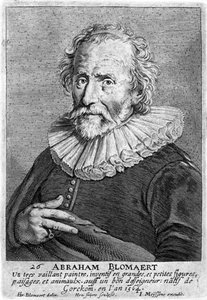
Abraham Bloemaert
1564 - 1651 , Niederlande
Kurzinfos
- Artistic Movement Or Style: Barock, Manierismus
- Artists Or Movements Influenced By This Artist: ['Utrechter Caravaggisti']
- Artists Who Influenced This Artist: ['Hieronymus Francken']
- Date Of Birth: 1564
- Date Of Death: 1651
- Full Name: Abraham Bloemaert
- Nationality: Niederländisch
- Notable Artworks:
- Die Ausweisung von Hagar und Ishmael
- Venus und Adonis
- Landschaft mit Bauern
- Place Of Birth: Gorinchem, Niederlande
Ähnliche Artikel
Mannerism: Bridging Renaissance Harmony & Baroque Drama – A Study of Style & Affectation
Explore the fascinating world of Mannerism! Discover its key characteristics, pioneering artists like Pontormo & Bronzino, and its pivotal role in bridging Renaissance harmony to Baroque drama. A comprehensive guide for art enthusiasts.
Mannerismus Meisterwerke: Die Top 10, die Kunstgeschichte prägten | ArtsDot
Entdecken Sie die Top 10 Meisterwerke des Mannerismus! Pontormo, Rosso Fiorentino & Co. prägten eine neue Eleganz in der Kunst. Erfahren Sie mehr über Künstler, Techniken und bestellen Sie hochwertige Reproduktionen auf ArtsDot.com.
Renaissance Mannerism: Style, Subtlety & the Transition from Harmony to Artifice
Explore the captivating world of Renaissance Mannerism! Discover its key characteristics, pioneering artists like Pontormo & Bronzino, and its pivotal role in art history. Expert insights & museum-quality reproductions at ArtsDot.
Hendrick Goltzius: Meister der Linie und des Manierismus – Ein niederländischer Virtuose
Entdecken Sie Hendrick Goltzius, den niederländischen Meister des Manierismus und virtuosen Kupferstechers! Erfahren Sie mehr über sein Leben, seine Technik und seinen Einfluss auf die Kunstgeschichte. Jetzt lesen!
The Dramatic Dialogue: Baroque Mannerism & the Synthesis of Emotion, Form, and Artistic Rebellion
Explore the dramatic world of Baroque Mannerism! Discover its history, iconic artists like Rubens & El Greco, and lasting influence on art. Expert insights for collectors & enthusiasts at ArtsDot.