

 Vorschau anzeigen
 Versenden
 Teilen
 Details anzeigen

 Herunterladen
 Ähnliche Objekte
 Röntgenaufnahme
 Diashow
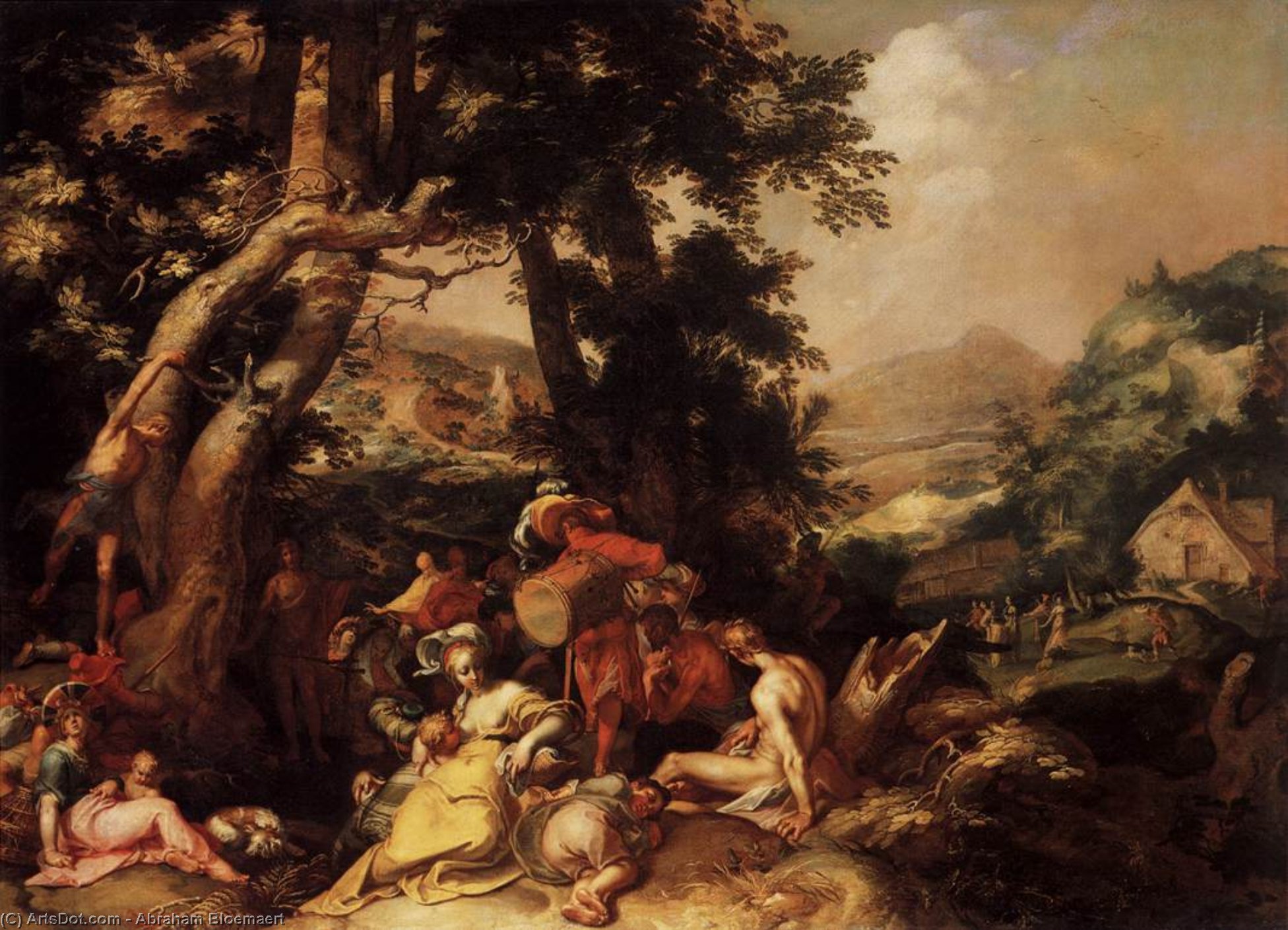
The Preaching of St John the Baptist
 Oil On Canvas
- WallArt
- Baroque Painting
 1595
1595- Early Modern
 139.0 x 188.0 cm
 Rijksmuseum
 Weiterlesen
Erwerben Sie ein hochauflösendes, optimiertes digitales Bild, das der Online-Vorschau weit überlegen ist.
Jede Datei wird von unseren hauseigenen Spezialisten mit modernsten Werkzeugen und fachmännischer manueller Retusche sorgfältig vorbereitet. Wir stellen sicher, dass jedes Bild eine außergewöhnliche Klarheit, präzise Farbgenauigkeit und feinste Details aufweist.
Die endgültige Datei wird innerhalb von 72 Stunden per E-Mail zugestellt und ist für den sofortigen Einsatz in professionellen, redaktionellen und Druckumgebungen optimiert. Es handelt sich um dieselbe Qualität, der führende Designstudios, Verlage und Galerien vertrauen.
Digitales Bild
Laden Sie eine hochauflösende Datei für die persönliche Präsentation, den Druck und kreative Projekte herunter. ( Druck bestellen Handgemalte Reproduktion bestellen)
In jeder Bestellung digitaler Bilder enthalten
Professionelle digitale Bereitstellung, garantiert
Wenn Sie sich für ArtsDot.com entscheiden, erhalten Sie nicht nur ein Bild – Sie erhalten ein professionell aufbereitetes digitales Kunstwerk, das mit höchster Präzision erstellt und durch eine Zufriedenheitsgarantie abgesichert wird. Hier ist alles, was automatisch mit Ihrer Bestellung geliefert wird:

Schnelle E-Mail-Zustellung
Ihre hochauflösende digitale Bilddatei wird Ihnen innerhalb von 72 Stunden nach der Bestellung per E-Mail zugestellt – bereit zur sofortigen Verwendung.

KI-optimierte digitale Datei
Ihre Kunstwerke werden professionell mithilfe fortschrittlicher KI-Tools und manueller Bearbeitung optimiert, um maximale Detailtreue, Klarheit und Farbgenauigkeit zu gewährleisten.

Lebenslanger kostenloser Neudruckservice
Datei versehentlich gelöscht oder verloren? Keine Sorge – wir senden sie Ihnen jederzeit kostenlos erneut zu.

Keine Einfuhrgebühren – jemals
Genießen Sie Ihr Kunstwerk sofort ohne Zollgebühren, Einfuhrabgaben oder Versandkosten – digitale Downloads sind immer steuerfrei.

Garantierte Farbtreue
Wir garantieren, dass Ihr digitales Bild mithilfe professioneller Werkzeuge und Farbmanagement die Originalfarben so präzise wie möglich wiedergibt.

60-Tage-Zufriedenheitsgarantie
Sollten Sie mit Ihrem digitalen Bild nicht zufrieden sein, werden wir es überarbeiten oder Ihnen innerhalb von 60 Tagen 100% erstatten – ohne Wenn und Aber.

100% Geld-zurück-Garantie
Nicht zufrieden? Erhalten Sie innerhalb von 60 Tagen nach Erhalt Ihrer digitalen Datei eine vollständige Rückerstattung – ohne Angabe von Gründen.

Rabatte bei Großbestellungen
3 Bilder kaufen, 10% sparen – 5 Bilder kaufen, 15% sparen – Ab 10 Bildern 20% sparen. Ideal für kreative Projekte, Galerien und Agenturen.
A Sermon in the Wilderness: Capturing Divine Inspiration
Abraham Bloemaert’s depiction of The Preaching of St John the Baptist is not merely a scene painted on canvas; it is an immersion into a moment of profound spiritual awakening. One can almost hear the resonant call echoing through the imagined forest air. The composition draws the viewer immediately into the heart of the gathering, where the prophet stands as a beacon of truth. Bloemaert masterfully orchestrates the crowd—a tapestry of humanity gathered in rapt attention. Notice how the figures are arranged; some lean forward with palpable eagerness, while others gaze upward, suggesting that the message transcends the physical space and speaks directly to the soul. This painting captures the electrifying energy that occurs when divine revelation meets receptive humanity.
Mastery of Baroque Drama and Composition
Dating from 1595, this work stands at a fascinating crossroads in art history, bridging the lingering elegance of Mannerism with the burgeoning drama of the Baroque period. Bloemaert, whose career spanned such significant artistic shifts, imbues the scene with dramatic intensity characteristic of his later style. His technique, executed in rich oil on canvas, allows for incredible depth; the foreground figures feel immediate and tangible, while the background recedes into a believable, naturalistic setting defined by deep greens and shadowed woods. The inclusion of subtle details, such as the two watchful birds perched within the foliage, adds an almost living quality to the pastoral backdrop, suggesting that nature itself bears witness to this sacred event.
Symbolism and Spiritual Resonance
The subject matter itself is rich with symbolism. St John the Baptist, positioned at the center of such a gathering, represents purification, prophecy, and the necessary voice crying out in the wilderness—a timeless call for moral reckoning. The forest setting often symbolizes the untamed or the place where spiritual truths are first revealed, away from the artifice of urban life. For the modern collector or designer, this piece offers more than just decoration; it serves as a potent focal point, an object that encourages contemplation and reflection on enduring spiritual themes. It speaks to the universal human need for guidance.
An Heirloom Piece for Inspired Spaces
To bring the gravitas and narrative power of Bloemaert’s vision into your home or gallery is to acquire a piece steeped in history and artistic genius. The scale, measuring 139 x 188 cm, ensures that it commands attention without overwhelming a space, functioning instead as a monumental centerpiece. When considering a hand-painted reproduction, one is not simply purchasing an image; one is commissioning the continuation of a master’s dialogue with light, emotion, and narrative. It promises to elevate any interior setting—be it a grand hall or a thoughtfully curated study—with its enduring sense of purpose and dramatic beauty.
Ähnliche Kunstwerke
![Legende Des Heiligen Franziskus - [23] - Der Heilsame Franziskus Wird Von Der Heiligen Klara Beweint — Giotto Di Bondone, Gotik](/media/artworks/images-thumb/17/1c/171c284c41dc3ef8bca83e51c1e1e531.jpg)
Biografie des Künstlers
Abraham Bloemaert (1564 – 1651): Bridging Mannerism and Baroque Brilliance
Abraham Bloemaert, born in Gorinchem around 1564, stands as a cornerstone of Dutch Baroque art—a painter who skillfully navigated the stylistic currents of his time, blending the elegance of Haarlem Mannerism with the dramatic dynamism championed by Caravaggio. His artistic journey began under the formative influence of his father, Cornelis Bloemaert I, a sculptor and architect who instilled in him an appreciation for meticulous craftsmanship and compositional balance. This early education provided a crucial foundation for Bloemaert’s subsequent explorations into artistic expression.Early Training and Parisian Exposure
By 1576, the Bloemaert family had relocated to Utrecht, where Abraham honed his skills alongside Gerrit Splinter and Joos de Beer—artists who were actively engaged in shaping the burgeoning Utrecht Caravaggisti movement. This association proved invaluable, exposing him to the innovative techniques and stylistic sensibilities of Caravaggio’s followers. A pivotal moment arrived when Bloemaert undertook a three-year sojourn in Paris from 1581 to 1583. During this period, he immersed himself in the artistic milieu of the French School, absorbing influences from Jehan Bassot and Maistre Herry—artists who championed refined aesthetics and embraced classical ideals. This Parisian experience broadened Bloemaert’s artistic horizons, fostering a deeper understanding of European artistic trends and preparing him for his triumphant return to Utrecht.The Utrecht Caravaggisti and Artistic Innovation
Upon returning to Utrecht, Bloemaert swiftly established himself as a leading figure in the Utrecht Caravaggisti movement—a group of painters who embraced the dramatic realism and tenebrism pioneered by Caravaggio. He skillfully incorporated these stylistic innovations into his oeuvre, creating paintings characterized by intense emotional expression and masterful use of chiaroscuro (the interplay between light and dark). Bloemaert’s canvases pulsated with vitality, reflecting the fervor of the Baroque spirit and cementing his reputation as a visionary artist. Notable works such as “The Expulsion of Hagar and Ishmael” exemplify this stylistic commitment—demonstrating his ability to convey profound narratives with breathtaking visual impact.A Diverse Artistic Output: Painting Beyond Genre
Bloemaert’s artistic output spanned an impressive range of genres, encompassing history painting, landscapes, still lifes, and animal portraits. He approached each subject with meticulous attention to detail and unwavering dedication to stylistic integrity—producing paintings that captivated audiences with their beauty and intellectual depth. His landscapes, particularly, stand out for their evocative depictions of Dutch countryside vistas—infused with atmospheric perspective and imbued with a palpable sense of tranquility. Furthermore, Bloemaert’s mastery extended beyond visual representation; he was also a prolific printmaker, producing etchings and engravings that disseminated his artistic vision widely. These prints served as crucial instruments in establishing his fame and influencing subsequent generations of artists.Legacy and Influence: Shaping Dutch Baroque Art
Abraham Bloemaert's influence resonated throughout the Utrecht Caravaggisti movement—inspiring countless painters to adopt his distinctive stylistic approach. He mentored a generation of Dutch artists, fostering a tradition of artistic excellence that endured for decades after his death in 1651. His legacy continues to inspire admiration and scholarly inquiry today—with his paintings recognized as masterpieces of Baroque art—testaments to a life devoted to artistic exploration and innovation. Bloemaert’s enduring contribution to Dutch art history ensures that his name will forever be associated with brilliance, dynamism, and the transformative power of visual expression.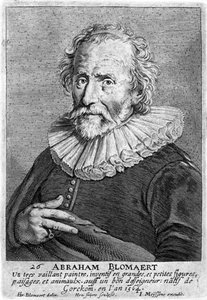
Abraham Bloemaert
1564 - 1651 , Niederlande
Kurzinfos
- Artistic Movement Or Style: Barock, Manierismus
- Artists Or Movements Influenced By This Artist: ['Utrechter Caravaggisti']
- Artists Who Influenced This Artist: ['Hieronymus Francken']
- Date Of Birth: 1564
- Date Of Death: 1651
- Full Name: Abraham Bloemaert
- Nationality: Niederländisch
- Notable Artworks:
- Die Ausweisung von Hagar und Ishmael
- Venus und Adonis
- Landschaft mit Bauern
- Place Of Birth: Gorinchem, Niederlande

