

 Vorschau anzeigen
 Versenden
 Teilen
 Details anzeigen

 Herunterladen
 Ähnliche Objekte
 Röntgenaufnahme
 Diashow
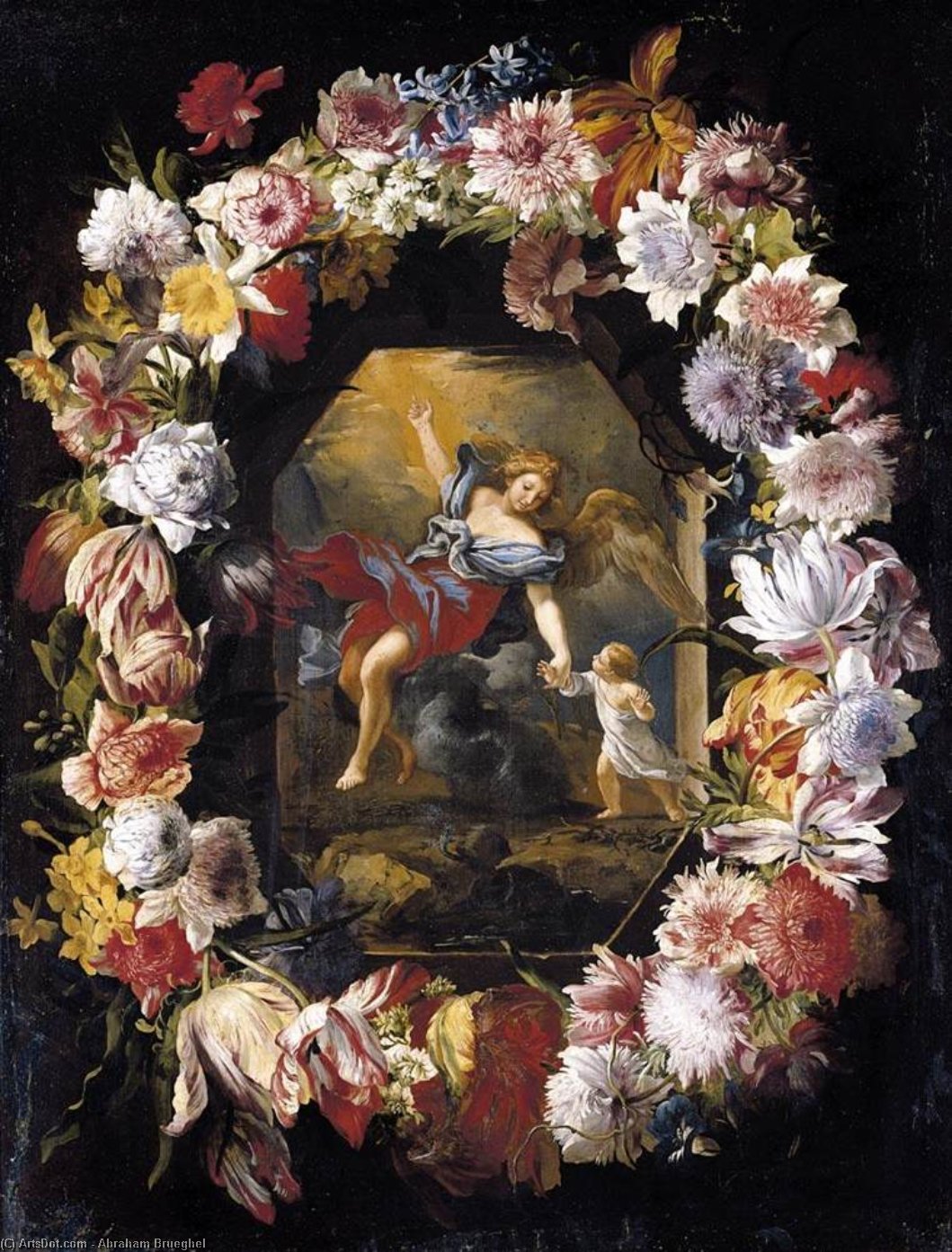
Garland of Flowers
 1660
1660 97.0 x 74.0 cm
 Weiterlesen
Erwerben Sie ein hochauflösendes, optimiertes digitales Bild, das der Online-Vorschau weit überlegen ist.
Jede Datei wird von unseren hauseigenen Spezialisten mit modernsten Werkzeugen und fachmännischer manueller Retusche sorgfältig vorbereitet. Wir stellen sicher, dass jedes Bild eine außergewöhnliche Klarheit, präzise Farbgenauigkeit und feinste Details aufweist.
Die endgültige Datei wird innerhalb von 72 Stunden per E-Mail zugestellt und ist für den sofortigen Einsatz in professionellen, redaktionellen und Druckumgebungen optimiert. Es handelt sich um dieselbe Qualität, der führende Designstudios, Verlage und Galerien vertrauen.
Digitales Bild
Laden Sie eine hochauflösende Datei für die persönliche Präsentation, den Druck und kreative Projekte herunter. ( Druck bestellen Handgemalte Reproduktion bestellen)
In jeder Bestellung digitaler Bilder enthalten
Professionelle digitale Bereitstellung, garantiert
Wenn Sie sich für ArtsDot.com entscheiden, erhalten Sie nicht nur ein Bild – Sie erhalten ein professionell aufbereitetes digitales Kunstwerk, das mit höchster Präzision erstellt und durch eine Zufriedenheitsgarantie abgesichert wird. Hier ist alles, was automatisch mit Ihrer Bestellung geliefert wird:

Schnelle E-Mail-Zustellung
Ihre hochauflösende digitale Bilddatei wird Ihnen innerhalb von 72 Stunden nach der Bestellung per E-Mail zugestellt – bereit zur sofortigen Verwendung.

KI-optimierte digitale Datei
Ihre Kunstwerke werden professionell mithilfe fortschrittlicher KI-Tools und manueller Bearbeitung optimiert, um maximale Detailtreue, Klarheit und Farbgenauigkeit zu gewährleisten.

Lebenslanger kostenloser Neudruckservice
Datei versehentlich gelöscht oder verloren? Keine Sorge – wir senden sie Ihnen jederzeit kostenlos erneut zu.

Keine Einfuhrgebühren – jemals
Genießen Sie Ihr Kunstwerk sofort ohne Zollgebühren, Einfuhrabgaben oder Versandkosten – digitale Downloads sind immer steuerfrei.

Garantierte Farbtreue
Wir garantieren, dass Ihr digitales Bild mithilfe professioneller Werkzeuge und Farbmanagement die Originalfarben so präzise wie möglich wiedergibt.

60-Tage-Zufriedenheitsgarantie
Sollten Sie mit Ihrem digitalen Bild nicht zufrieden sein, werden wir es überarbeiten oder Ihnen innerhalb von 60 Tagen 100% erstatten – ohne Wenn und Aber.

100% Geld-zurück-Garantie
Nicht zufrieden? Erhalten Sie innerhalb von 60 Tagen nach Erhalt Ihrer digitalen Datei eine vollständige Rückerstattung – ohne Angabe von Gründen.

Rabatte bei Großbestellungen
3 Bilder kaufen, 10% sparen – 5 Bilder kaufen, 15% sparen – Ab 10 Bildern 20% sparen. Ideal für kreative Projekte, Galerien und Agenturen.
Ähnliche Kunstwerke
Biografie des Künstlers
A Scion of a Painting Dynasty: The Life and Art of Abraham Brueghel
Abraham Brueghel, born in Antwerp in 1631, emerged from one of the most celebrated artistic lineages in Flemish history. A member of the prolific Brueghel family—descending from the renowned Pieter Bruegel the Elder—he inherited a legacy steeped in landscape painting, peasant life depictions, and an acute observation of the natural world. However, Abraham’s path diverged somewhat from his ancestors, leading him towards Italy where he became a pivotal figure in the development of decorative Baroque still lifes. His story is one of artistic migration, adaptation, and ultimately, establishing a distinct voice within the vibrant Roman and Neapolitan art scenes. From an early age, Abraham demonstrated considerable promise, nurtured by his father, Jan Brueghel the Younger, a skilled painter himself and frequent collaborator with Peter Paul Rubens. Even as a teenager, his talent was recognized; one of his floral still lifes was sold when he was just fifteen years old—a testament to his burgeoning skill.From Antwerp to Italy: A Blossoming Career
The year 1649 marked a turning point in Abraham’s life and career. At the age of eighteen, he journeyed to Sicily to fulfill a commission for Prince Antonio Ruffo—the first of many that would define his artistic trajectory. This initial foray into Italian patronage proved fruitful; within a short time, Prince Ruffo's collection boasted nine flower paintings by the young artist. A decade later, in 1659, Brueghel settled in Rome, marrying Angela Buratti and quickly becoming integrated into the city’s thriving artistic community. His acceptance into the prestigious Accademia di San Luca in 1670 solidified his standing among Roman artists, recognizing his dedication to elevating the craft of painting. He also joined the *Bentvueghels*, a society of Dutch and Flemish painters known for their convivial gatherings and adoption of playful nicknames—Abraham was christened “Rijngraaf,” or Duke of the Rhine, an aristocratic title reflecting his heritage. This period in Rome saw Brueghel’s style begin to mature, influenced by the sweeping grandeur of Italian High Baroque while retaining a distinctly Flemish sensibility for detail and decorative profusion.Naples and the Flourishing of Still Life
Around 1672-1675, Abraham relocated once more, this time to Naples. This move proved particularly significant as he introduced the Flemish-Roman style of elaborate still life painting to a city that had previously resisted it. Before Brueghel’s arrival, Neapolitan art favored different traditions; his vibrant compositions—overflowing with southern fruits, lush flowers, and often set against dramatic landscapes—were a novelty that gradually gained acceptance and influence. He remained in Naples until his death around 1690 (though some sources suggest as late as 1697), establishing himself as a leading figure in the city’s artistic landscape. His work during this period is characterized by brighter colors, bolder brushstrokes, and an increasing emphasis on opulent arrangements—reflecting the influence of Flemish masters like Frans Snyders, Jan Fyt, and Pieter Boel who had also worked within the Italian context. He frequently collaborated with other artists, often painting the landscapes within his still life arrangements while commissioning specialists to add *staffage* – figures or animals – enhancing the narrative depth of his works. These collaborations included prominent Italian painters like Carlo Maratta, Giovanni Battista Gaulli, and Giacinto Brandi, as well as French artist Guillaume Courtois. Brueghel’s legacy extends beyond his individual paintings; he played a crucial role in popularizing the decorative still life genre in Naples, influencing subsequent generations of artists and leaving an indelible mark on the city's artistic heritage. His work continues to captivate viewers with its vibrant colors, intricate details, and harmonious blend of Flemish precision and Italian grandeur.Key Characteristics & Artistic Legacy
Abraham Brueghel’s distinctive style—a masterful synthesis of Flemish meticulousness and Italian Baroque dynamism—became synonymous with the Naples School of Still Life. Unlike earlier Neapolitan painters who adhered to more restrained aesthetic conventions, Brueghel embraced a bold palette and dramatic compositions that mirrored the grandeur of Rome. His canvases pulsated with life, populated by meticulously rendered fruits, flowers, and architectural fragments arranged against backgrounds of evocative landscapes—often bathed in ethereal light. This innovative approach challenged prevailing artistic norms and established Brueghel as a pioneer of a new visual idiom. Furthermore, his collaborative spirit—working alongside fellow artists like Rubens Junior and Carlo Maratta—contributed to the dissemination of his stylistic innovations throughout Italy. His influence can be seen in countless subsequent paintings that adopted similar techniques and thematic concerns, cementing his place as one of the most important figures in Baroque art history. His enduring appeal lies not only in the beauty of his artworks but also in their profound reflection of the cultural currents shaping Europe during the seventeenth century—a testament to Brueghel’s artistic genius and lasting contribution to the visual arts.
Abraham Brueghel
1631 - 1690 , Belgien
Kurzinfos
- Artistic Movement Or Style: Barock
- Artists Or Movements Influenced By This Artist: ['Naples Schule']
- Artists Who Influenced This Artist:
- Jan Brueghel der Ältere
- Frans Snyders
- Jan Fyt
- Date Of Birth: 1631
- Date Of Death: c. 1690
- Full Name: Abraham Brueghel
- Nationality: Niederländisch
- Notable Artworks:
- Bunches von Grapes...
- Landschaft mit Silenus...
- Frau Greifende Frucht
- Place Of Birth: Antwerp, Belgien

