

 Vorschau anzeigen
 Versenden
 Teilen
 Details anzeigen

 Herunterladen
 Ähnliche Objekte
 Röntgenaufnahme
 Diashow
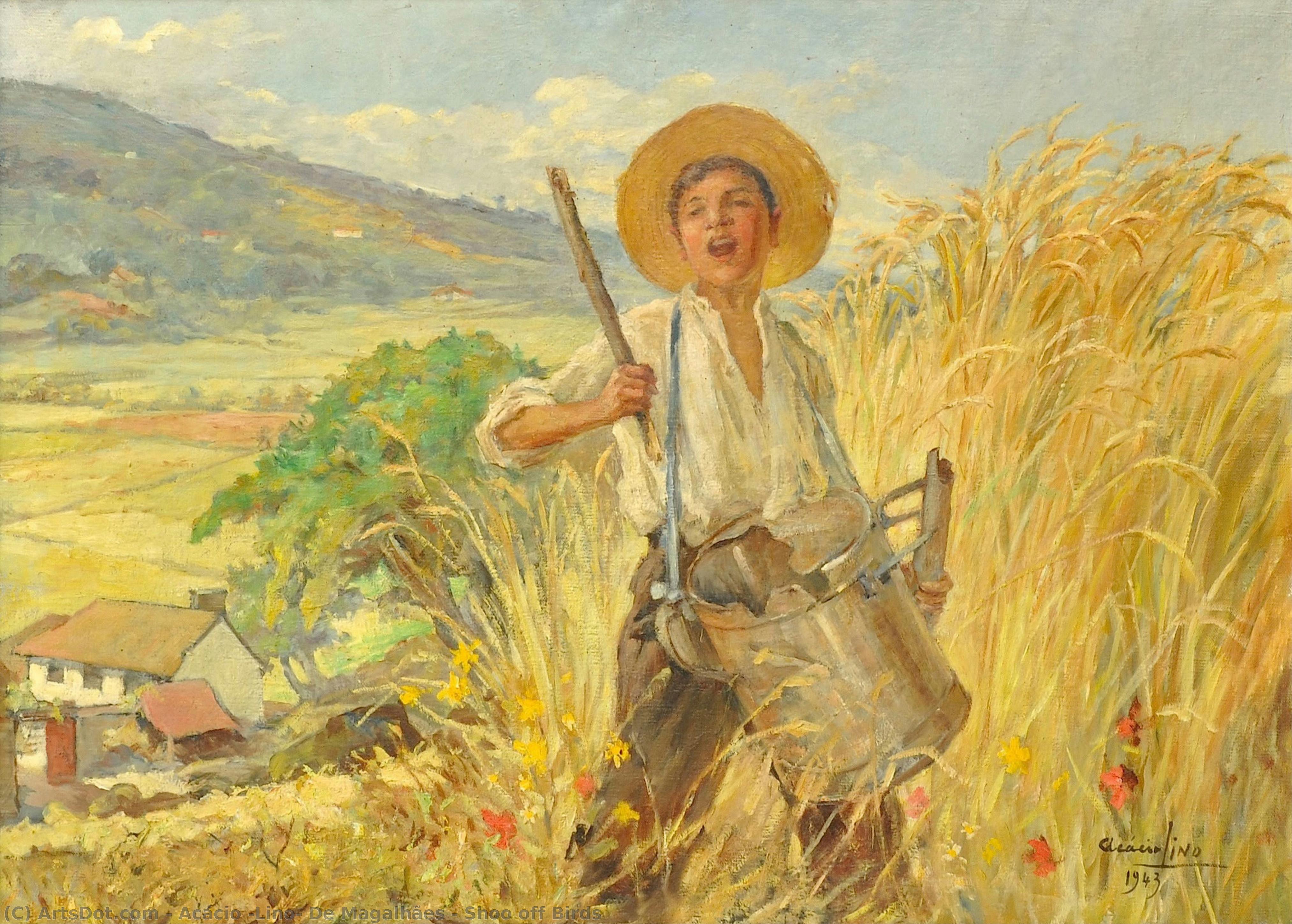
Shoo off Birds
 Oil On Canvas
- WallArt
- Impressionism
 19th Century
 5.0 x 78.0 cm
 Museu da Fundação Dionísio Pinheiro e Alice Cardoso Pinheiro
 Weiterlesen
Giclée / Kunstdruck
Giclée- oder Leinwanddruck in Museumsqualität mit schneller Produktion und flexiblen Veredelungsoptionen. ( Handgemalte Reproduktion bestellen Bild kaufen)




P118B $10

P118H $10

P118W $10

P438Z $10

P508JH $12

P508YH $12

P805H $10

P805Z $10

P919BZ $10

P919G $10

P919XJ $10

P959ZH $10

P968JZ $12

W106C $8

W218G $10

W218JH $8

W218Y $10

W307PJ $10

W316G $10

W316PJ $8

W316Y $10

W398PJ $8

W4111J $10

W500HY $15

W500JH $15

W692G $12

W849H $8

W940BG $15

W953PJ $8




Wählen Sie aus unseren vordefinierten Formaten, die den ursprünglichen Proportionen des Kunstwerks entsprechen.

Sie können Ihre eigenen Maße eingeben, um ein bestimmtes Format oder einen speziellen Platz einzupassen. Wenn das von Ihnen gewählte Format nicht den Proportionen des Originalbildes entspricht, werden wir das Kunstwerk entweder beschneiden oder das Bild mit einem gespiegelten oder einfarbigen Rand erweitern. Ein digitaler Entwurf wird Ihnen zur Genehmigung zugesandt, bevor die Produktion beginnt.
Bitte beachten Sie, dass die Vorschau auf dem Bildschirm nicht den tatsächlichen Zuschnitt oder die Erweiterung widerspiegelt. Nur der Entwurf zeigt die endgültige Komposition präzise an.
Obwohl Sondermaße verfügbar sind, empfehlen wir die Auswahl eines Maßes aus der vordefinierten Liste, um die ursprünglichen Proportionen zu bewahren.
Weltweiter Versand () innerhalb von 2 Wochen statt der üblichen 4/5 Wochen. (3 September)

Kostenloser weltweiter Expressversand

Hochwertige Leinenleinwand

Umfassender Versicherungsschutz beim Versand

Zollgebühren-Rückerstattungsgarantie

Garantie für exakte Farbtreue

60 Tage Rückgaberecht (nur bei Mängeln)

100% Geld-zurück-Garantie

Mengenrabatt verfügbar
 Die Glasoption ist nur für Größen unter 110 cm verfügbar.

Shoo off Birds
Giclée / Kunstdruck
Format der Reproduktion
-


Gesamtpreis
$ 62
A Nostalgic Encounter with Rural Life
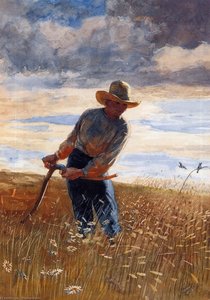
In the evocative oil painting Shoo off Birds, the viewer is transported into a sun-drenched moment of pastoral tranquility, where the boundaries between childhood memory and artistic mastery blur. The scene unfolds in a vibrant wheat field, dominated by the presence of a young boy wearing a simple straw hat. He is captured mid-motion, engaged in the timeless task of protecting the harvest; with a rhythmic strike of a stick against an old watering can hanging from his neck, he wards off the scavenging birds. This central figure serves as more than just a subject; he is the heartbeat of the composition, embodying a sense of youthful labor and the unpretentious connection between humanity and the earth. The background recedes into a breathtaking vista of a countryside house and distant, rolling valleys, creating a profound sense of depth that invites the eye to wander through the lush, agricultural landscape.
The artistry of Acácio "Lino" de Magalhães shines through in his ability to blend academic precision with the expressive freedom of Impressionism. The technique is characterized by a tactile, almost sculptural application of paint, where short, broken brushstrokes build a rich texture within the wheat stalks, making the field feel alive and swaying in a gentle breeze. While the artist’s training at the Oporto Academy provided him with a foundation in classical form, his work here breathes with an atmospheric lightness. The lighting is soft and diffused, suggesting the quiet, overcast warmth of a summer afternoon, which casts gentle shadows and softens the edges of the distant hills. This use of atmospheric perspective—where the far-off landscape becomes paler and less defined—adds a dreamlike quality to the piece, as if we are looking through the hazy lens of a cherished memory.
Symbolism and the Essence of Heritage
Beyond its surface beauty, Shoo off Birds is steeped in symbolic resonance. The wheat field serves as a powerful emblem of abundance, fertility, and the cyclical nature of life and harvest. Through the boy’s diligent work, Magalhães explores themes of innocence intertwined with responsibility, presenting a romanticized yet grounded view of rural existence. This painting is deeply personal, drawing from the artist's own childhood summers at the Casa das Figueiras estate, allowing him to "thresh memories" onto the canvas. For the collector or interior designer, this work offers more than mere decoration; it provides an emotional anchor for a room, bringing a sense of warmth, stability, and historical continuity.
For those seeking to curate a space that evokes peace and rustic charm, this reproduction serves as a magnificent centerpiece. Its warm, earthy color palette and organic shapes harmonize beautifully with classical or farmhouse-style interiors, adding a layer of sophisticated nostalgia. Whether placed in a sunlit study or a grand living area, the painting’s ability to capture the light and the soul of the Portuguese countryside makes it an enduring piece of art that continues to tell a story of heritage, labor, and the timeless beauty of the natural world.
Ähnliche Kunstwerke
Über den Künstler
A Maestro of Portuguese Landscape and History
Acácio “Lino” de Magalhães (1878 – 1956) stands as a cornerstone of Portuguese artistic heritage, an artist whose dedication to capturing the essence of his homeland—both its pastoral beauty and its momentous narratives—continues to resonate today. Born in Travoca, Amarante, Portugal, Magalhães embarked on a lifelong pursuit of artistic excellence, shaping not only his own career but also influencing generations of Portuguese painters.- Early Life & Education: Magalhães’s formative years were spent honing his skills at the Oporto Academy of Fine Arts, where he absorbed the stylistic precepts of academic painting and developed a profound appreciation for classical art traditions. This grounding would prove invaluable as he ventured into Parisian studios during his studies in France, immersing himself in Impressionism and experimenting with innovative techniques.
- Return to Portugal & Artistic Flourishing: Upon returning to Portugal, Magalhães established himself as a respected teacher and artist, actively participating in the burgeoning artistic movement of the early 20th century. He embraced a distinctive style characterized by meticulous observation and masterful execution—primarily utilizing charcoal and oil on canvas—resulting in landscapes imbued with atmospheric depth and portraits rendered with remarkable sensitivity.
A Painter’s Palette: Style & Technique
Magalhães's artistic vision was firmly rooted in naturalism, yet he skillfully blended it with elements of Impressionistic influence. His canvases pulsate with vibrant color palettes—often dominated by earthy tones—reflecting his deep connection to the Portuguese countryside. He achieved this effect through layering thin glazes of oil paint, meticulously blending hues to create luminous surfaces and capturing subtle nuances of light and shadow. This technique demanded patience and precision, mirroring Magalhães’s unwavering commitment to artistic integrity. His meticulous attention to detail ensured that every brushstroke conveyed a profound understanding of the natural world.- Notable Subjects: Magalhães's oeuvre spanned a diverse range of subjects—from tranquil rural vistas depicting the Azores islands to grand historical murals adorning the Palácio de São Bento in Porto. These monumental commissions demanded an understanding of architectural perspective and compositional balance, showcasing his ability to convey complex narratives with visual eloquence.
- Religious Inspiration: Alongside secular landscapes, Magalhães produced numerous religious paintings—often depicting saints and biblical scenes—demonstrating a spiritual dimension to his artistic practice. His depictions were imbued with reverence and compassion, reflecting the humanist values prevalent in Portuguese art during his time.
Major Achievements & Recognition
Magalhães’s contribution to Portuguese art is undeniable. He gained considerable acclaim for his monumental murals at Palácio de São Bento, Porto—a testament to his artistic prowess and his dedication to commemorating Portugal's history. These ambitious projects solidified his reputation as a leading figure in the national artistic landscape. Furthermore, his works are housed in prestigious institutions such as the Museu da Fundação Dionísio Pinheiro e Alice Cardoso Pinheiro in Águeda, Portugal, ensuring that his artistic legacy persists for future generations.- Illustrative Works: Consider “Shoo off Birds,” a captivating charcoal drawing residing at Museu da Fundação Dionísio Pinheiro e Alice Cardoso Pinheiro. This piece exemplifies Magalhães’s meticulous attention to detail and his ability to convey emotion through subtle tonal variations.
Concluding Thoughts
Acácio “Lino” de Magalhães's artistic journey embodies the spirit of Portuguese art—a harmonious blend of observation, innovation, and devotion. His enduring images continue to captivate viewers with their beauty and authenticity, reminding us of Portugal’s rich cultural heritage and the transformative power of artistic expression. He remains a symbol of Portuguese artistic integrity and continues to inspire artists today.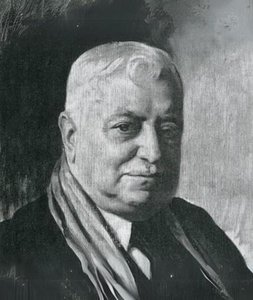
Acácio Lino
1878 - 1956 , Portugal
Kurzinfos
- Artistic Movement Or Style: Naturalistische & Historische Malerei
- Artists Who Influenced This Artist:
- Französische Kunst
- Italienische Kunst
- Date Of Birth: 25. Februar 1878
- Date Of Death: 18. April 1956
- Full Name: acácio "lino" de magalhães
- Nationality: Portugiesisch
- Notable Artworks:
- Shoo off Birds
- Murals am Palácio de S. Bento
- Place Of Birth: Travoca, Portugal
Ähnliche Artikel

Goya: Die 25 Meisterwerke des spanischen Genies – Kunst für Ihr Zuhause | ArtsDot
Entdecken Sie die 25 Meisterwerke von Francisco Goya! Tauchen Sie ein in die düstere Romantik spanischer Malerei, Porträts & Historienbilder. Hochwertige Kunstdrucke auf ArtsDot.com – für Kunstliebhaber und stilvolles Wohnen.

Über uns
Entdecken Sie unsere Geschichte! Wir bringen Weltklasse-Kunst in Ihr Leben durch fachkundige Auswahl, individuelle Kreationen und kostenlose Vorschauen. Seit dem Jahr 2000 von Privatpersonen und Unternehmen geschätzt.
Impressionistic Realism's Finest: 10 Masterpieces for Your Home | ArtsDot
Journey through Impressionistic Realism with 10 iconic masterpieces by Monet, Renoir & Van Gogh. Explore art history, techniques & find museum-quality reproductions for your home at ArtsDot.com. Discover all masterpieces online!
Pierre-Auguste Renoir: Die 25 Meisterwerke des Impressionismus für Ihr Zuhause | ArtsDot
Entdecken Sie die 25 schönsten Meisterwerke von Pierre-Auguste Renoir! Tauchen Sie ein in die Welt des Impressionismus, erleben Sie berühmte Gemälde wie 'Bal au moulin de la Galette' und finden Sie hochwertige Kunstdrucke für Ihr Zuhause. Jetzt auf ArtsDot.com!

Impressionistische Landschaften: Die 10 Meisterwerke, die eine Kunstrichtung prägten | ArtsDot
Entdecken Sie die 10 Meisterwerke des Impressionismus! Von Monet bis Van Gogh – erleben Sie die Geschichten hinter berühmten Landschaftsbildern. Hochwertige Kunst Reproduktionen für Ihr Zuhause auf ArtsDot.com.

