

 Vorschau anzeigen
 Versenden
 Teilen
 Details anzeigen

 Herunterladen
 Ähnliche Objekte
 Röntgenaufnahme
 Diashow
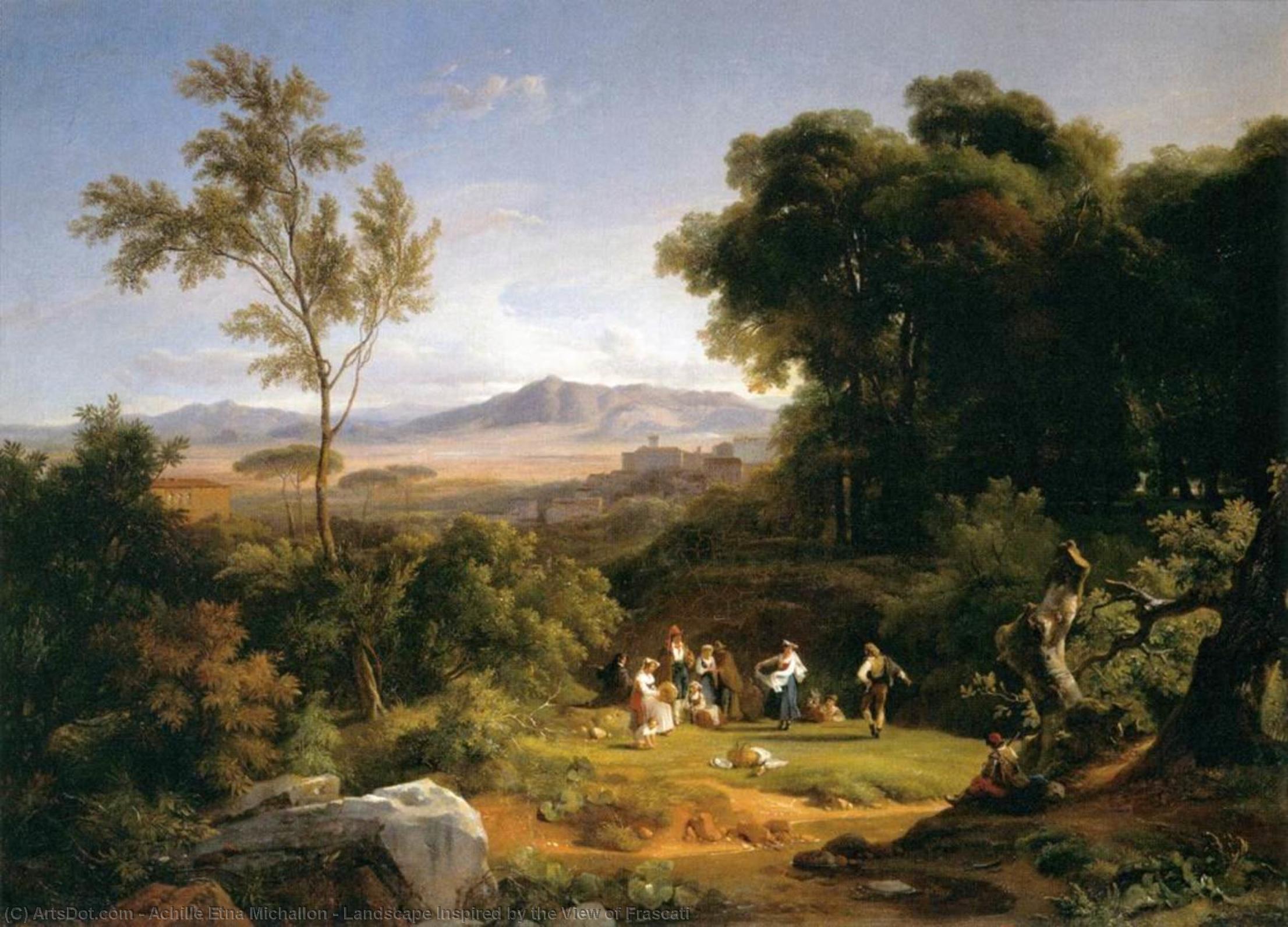
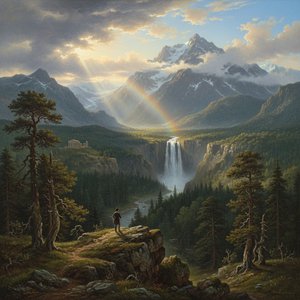
Landscape Inspired by the View of Frascati
 Acrylic On Canvas
- WallArt
- Romantic Landscape
 1822
1822- 19th Century
 127.0 x 171.0 cm
 Louvre
 Weiterlesen
Giclée / Kunstdruck
Giclée- oder Leinwanddruck in Museumsqualität mit schneller Produktion und flexiblen Veredelungsoptionen. ( Handgemalte Reproduktion bestellen Bild kaufen)




P118B $10

P118H $10

P118W $10

P438Z $10

P508JH $12

P508YH $12

P805H $10

P805Z $10

P919BZ $10

P919G $10

P919XJ $10

P959ZH $10

P968JZ $12

W106C $8

W218G $10

W218JH $8

W218Y $10

W307PJ $10

W316G $10

W316PJ $8

W316Y $10

W398PJ $8

W4111J $10

W500HY $15

W500JH $15

W692G $12

W849H $8

W940BG $15

W953PJ $8




Wählen Sie aus unseren vordefinierten Formaten, die den ursprünglichen Proportionen des Kunstwerks entsprechen.

Sie können Ihre eigenen Maße eingeben, um ein bestimmtes Format oder einen speziellen Platz einzupassen. Wenn das von Ihnen gewählte Format nicht den Proportionen des Originalbildes entspricht, werden wir das Kunstwerk entweder beschneiden oder das Bild mit einem gespiegelten oder einfarbigen Rand erweitern. Ein digitaler Entwurf wird Ihnen zur Genehmigung zugesandt, bevor die Produktion beginnt.
Bitte beachten Sie, dass die Vorschau auf dem Bildschirm nicht den tatsächlichen Zuschnitt oder die Erweiterung widerspiegelt. Nur der Entwurf zeigt die endgültige Komposition präzise an.
Obwohl Sondermaße verfügbar sind, empfehlen wir die Auswahl eines Maßes aus der vordefinierten Liste, um die ursprünglichen Proportionen zu bewahren.
Weltweiter Versand () innerhalb von 2 Wochen statt der üblichen 4/5 Wochen. (27 August)

Kostenloser weltweiter Expressversand

Hochwertige Leinenleinwand

Umfassender Versicherungsschutz beim Versand

Zollgebühren-Rückerstattungsgarantie

Garantie für exakte Farbtreue

60 Tage Rückgaberecht (nur bei Mängeln)

100% Geld-zurück-Garantie

Mengenrabatt verfügbar
 Die Glasoption ist nur für Größen unter 110 cm verfügbar.

Landscape Inspired by the View of Frascati
Giclée / Kunstdruck
Format der Reproduktion
-


Gesamtpreis
$ 62
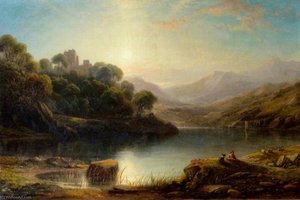
A Moment Frozen in Time: Achille Etna Michallon’s “Landscape Inspired by the View of Frascati”
Achille Etna Michallon's "Landscape Inspired by the View of Frascati," painted in 1822, is more than just a depiction of a picturesque Italian scene; it’s a poignant encapsulation of a fleeting moment, imbued with the melancholy beauty characteristic of the Romantic era. Created during a tragically short but intensely productive period in Michallon's life – he succumbed to pneumonia at the young age of 25 – this work offers a glimpse into the artist’s evolving style and his profound connection to the landscapes that captivated him.
The painting immediately draws the eye with its vibrant yet subdued palette. The dominant hues are earthy greens, ochres, and blues, skillfully blended to create an atmosphere of hazy warmth. Michallon masterfully employs *plein air* techniques, evident in the subtle variations of light and shadow that dance across the rolling hills and distant cypress trees. The brushstrokes themselves are loose and expressive, conveying a sense of movement and spontaneity – a deliberate departure from the rigid formality of Neoclassicism, which he had initially studied under David.
A Gathering of Figures Against a Dramatic Backdrop
At the heart of the composition lies a group of figures, seemingly engaged in quiet conversation amidst the pastoral setting. Their placement is carefully considered; they are not dominant subjects but rather integrated seamlessly into the landscape, suggesting a harmonious relationship between humanity and nature. The details of their clothing – simple tunics and shawls – hint at a rural life, while their relaxed postures invite the viewer to share in their peaceful contemplation. The sheer number of figures—at least thirteen—adds to the sense of community and shared experience, creating an intimate tableau within a grand landscape.
The backdrop is dominated by the iconic silhouette of Mount Vesuvius, partially obscured by a veil of mist. This volcanic presence serves as a subtle reminder of the power and unpredictability of nature – a theme frequently explored in Romantic art. The distant hills roll away towards the horizon, creating an illusion of depth that draws the eye into the painting’s immersive space. The artist's attention to detail is remarkable; even the individual blades of grass are rendered with delicate precision.
Echoes of Italy and the Rise of Romanticism
Michallon’s journey to Italy in 1818 proved transformative, profoundly influencing his artistic vision. Following his victory at the Prix de Rome, he spent over two years immersed in the Italian landscape, absorbing the works of masters like Canaletto and Turner. This experience ignited a passion for *plein air* painting and a fascination with capturing the fleeting effects of light and atmosphere. “Landscape Inspired by the View of Frascati” is a direct result of this immersion; it embodies the Romantic ideals of emotional expression, subjective perception, and a deep reverence for nature.
The subject itself – Frascati, a charming hilltop town near Rome – was a favorite haunt of artists during the 19th century. Its picturesque setting, with its vineyards, olive groves, and stunning views, provided an ideal backdrop for capturing the beauty of the Italian countryside. Michallon’s painting captures this essence perfectly, offering a romanticized vision of rural life that resonated deeply with contemporary audiences.
Symbolism and Emotional Resonance
Beyond its technical brilliance, “Landscape Inspired by the View of Frascati” carries a subtle undercurrent of melancholy. The hazy atmosphere, the muted colors, and the solitary figures all contribute to a sense of quiet contemplation and perhaps even a hint of sadness. The painting’s title suggests that it is not merely a representation of a specific location but rather an evocation of a feeling – a longing for beauty, tranquility, and connection with nature. It's a testament to Michallon's ability to translate complex emotions onto canvas, leaving the viewer with a lingering sense of wonder and reflection.
Today, reproductions of this captivating work continue to inspire admiration for its evocative atmosphere and masterful technique. It stands as a poignant reminder of a brilliant artist’s tragically short career and a beautiful example of Romantic landscape painting at its finest.
Ähnliche Kunstwerke

Über den Künstler
Achille Etna Michallon: Eine Kurze Biographie
Frühes Leben und Ausbildung
Achille Etna Michallon wurde 1796 in Paris, Frankreich, geboren. Er war der Sohn von Claude Michallon, einem Bildhauer. Von klein auf zeigte er künstlerisches Talent und erhielt eine formelle Ausbildung bei zwei bedeutenden französischen Malern: Jacques-Louis David und Pierre-Henri de Valenciennes. Diese Meister beeinflussten seine frühe Entwicklung als Künstler nachhaltig und vermittelten ihm sowohl neoklassizistische Präzision als auch ein wachsendes Verständnis für Landschaftsmalerei.Künstlerische Entwicklung und Einflüsse
Michallons künstlerischer Weg war geprägt von einem Wandel vom strukturierten Stil Davids hin zum emotionaleren und atmosphärischeren Ansatz, der von Valenciennes bevorzugt wurde. Er nahm die plein air-Malerei an und wagte sich ins Freie, um die direkten Auswirkungen von Licht und Atmosphäre festzuhalten – eine Praxis, die zu einem zentralen Element seiner Arbeit werden sollte. Seine Reisen nach Italien im Jahr 1818, nachdem er 1817 den prestigeträchtigen Prix de Rome für Landschaftsmalerei gewonnen hatte, erwiesen sich als transformativ. Die italienische Landschaft mit ihren dramatischen Ausblicken und klassischen Ruinen inspirierte ihn zutiefst und prägte seine künstlerische Vision.Hauptwerke und Stil
Während seiner Zeit in Italien schuf Michallon eine Reihe von Ölskizzen und Gemälden, die seine wachsende Meisterschaft in der Landschaftsmalerei demonstrierten. Bemerkenswerte Werke sind Blick auf die Wasserfälle bei Tivoli, Landschaft inspiriert von der Aussicht auf Frascati und Das Forum in Pompeji. Sein Stil zeichnet sich durch atmosphärische Effekte, eine sensible Verwendung von Licht und Schatten sowie eine romantische Sensibilität aus, die die Schönheit und Erhabenheit der Natur einfing. Oft stellte er Szenen mit einem Gefühl von Melancholie und Kontemplation dar.Leistungen und Anerkennung
Der Gewinn des Prix de Rome war eine bedeutende Leistung für Michallon, die ihm die Möglichkeit bot, in Italien zu studieren und seine künstlerischen Fähigkeiten weiterzuentwickeln. Obwohl seine Karriere tragisch früh beendet wurde, erlangte er zu Lebzeiten Anerkennung als talentierter und vielversprechender Landschaftsmaler. Seine Arbeit beeinflusste eine Generation von Künstlern, darunter Camille Corot, der oft als einer seiner Schüler genannt wird (obwohl dies umstritten bleibt).Historische Bedeutung und Vermächtnis
Trotz seines frühen Todes an Lungenentzündung im Jahr 1822 im Alter von nur 25 Jahren hinterließ Achille Etna Michallon einen bleibenden Eindruck auf die Landschaftskunst des 19. Jahrhunderts. Seine atmosphärischen Ölskizzen und stimmungsvollen italienischen Szenen halfen, den Weg für die Entwicklung der Romantik zu ebnen und beeinflussten nachfolgende Generationen von Künstlern, die versuchten, die Schönheit und Kraft der Natur einzufangen. Er steht für eine entscheidende Figur im Übergang von neoklassizistischer Formalität hin zum ausdrucksstärkeren und emotional aufgeladenen Stil des Romantismus.Schlüsselmerkmale seiner Arbeit
- Atmosphärische Perspektive und dramatische Beleuchtung
- Betonung der Erfassung von Stimmung und Emotion
- Einfluss italienischer Landschaften und klassischer Ruinen
- Verwendung von Ölskizzen als Studien für größere Gemälde
- Eine romantische Sensibilität, die die Schönheit der Natur feiert
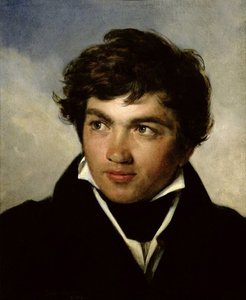
Achille Etna Michallon
1796 - 1822 , Frankreich
Kurzinfos
- Artistic Movement Or Style: Romantik
- Artists Who Influenced This Artist:
- Jacques-Louis David
- Pierre-Henri de Valenciennes
- Country: Frankreich
- Date Of Birth: 1796
- Full Name: Achille Etna Michallon
- Nationality: Französisch
- Notable Artworks:
- Wasserfälle bei Tivoli
- Landschaft inspiriert von Frascati
- Das Forum in Pompeji
- Place Of Birth: Paris
Ähnliche Artikel

Romantische Landschaften: Die 10 Meisterwerke, die eine Epoche prägten | ArtsDot
Entdecken Sie die 10 Meisterwerke der Romantischen Landschaftsmalerei! Von Caspar David Friedrich bis Turner – erleben Sie die Kunst, Emotion & Natur. Hochwertige Reproduktionen auf ArtsDot.com

John Constable: Die 25 Meisterwerke des englischen Landschaftsgenies – ArtsDot
Entdecken Sie die 25 Meisterwerke von John Constable! Erleben Sie englische Landschaftsmalerei vom Hay Wain bis zur Stour Valley. Hochwertige Reproduktionen & Kunst für Ihr Zuhause auf ArtsDot.com.

Evocations of Place: A Historical Journey Through Landscape Art
Explore the rich history of landscape art with ArtsDot. Discover renowned artists, movements like Impressionism & Romanticism, and expert guidance for collecting timeless pieces. Find your perfect serene escape today!
Evoking Atmosphere & Identity: A Journey Through Landscape Painting's History
Explore the rich history of landscape painting! Discover renowned artists, movements like Romanticism, & techniques such as atmospheric perspective. Find inspiration and quality reproductions at ArtsDot.
Evoking Nature's Sublime: A Comprehensive Exploration of 19th-Century Landscape Painting
Explore the captivating world of 19th-century landscape painting! Discover renowned artists like Friedrich & Monet, key movements, and find the perfect artwork to bring nature's serenity into your home. Expert insights at ArtsDot.

