

 Vorschau anzeigen
 Versenden
 Teilen
 Details anzeigen

 Herunterladen
 Ähnliche Objekte
 Röntgenaufnahme
 Diashow
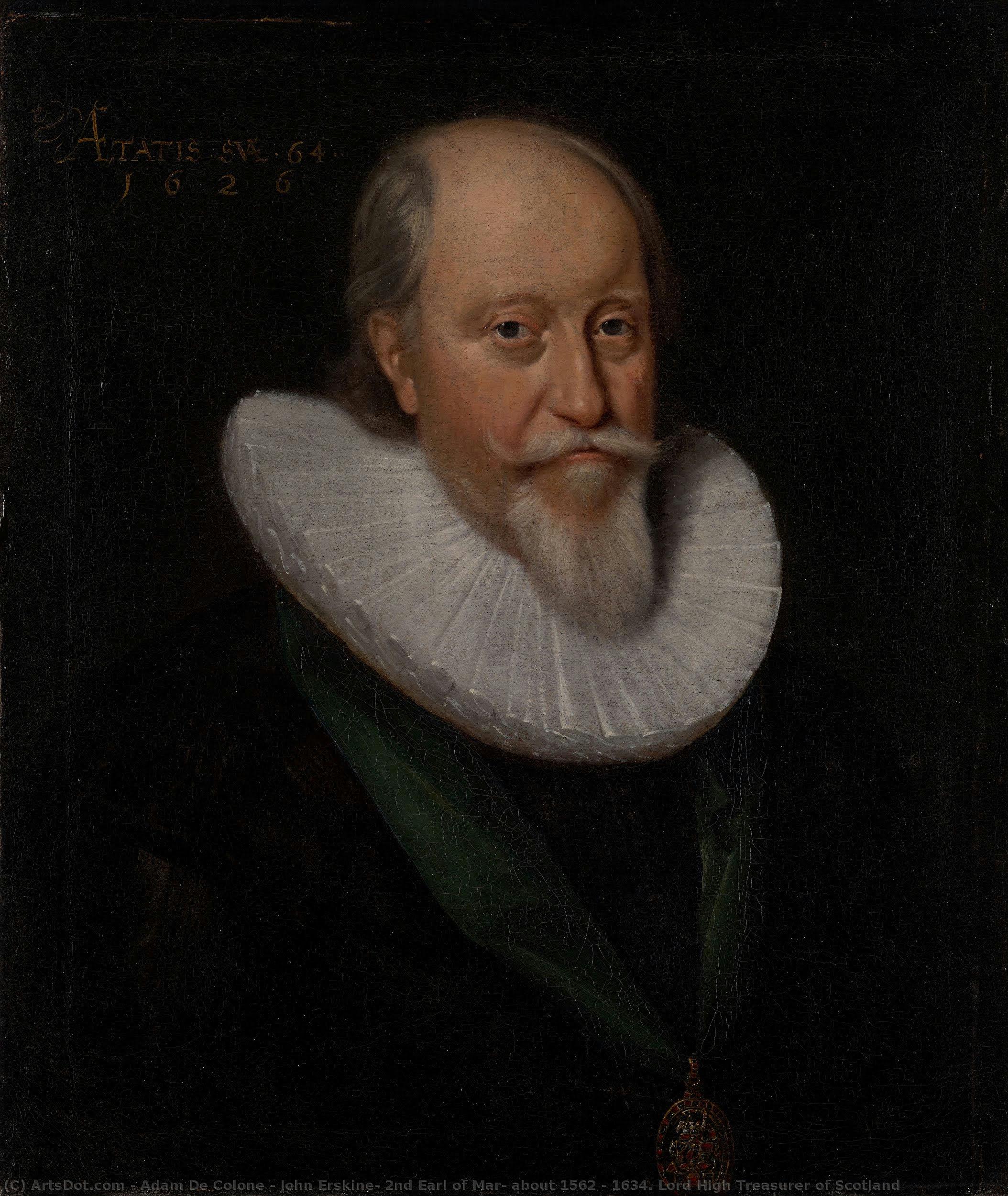
John Erskine, 2nd Earl of Mar, about 1562 - 1634. Lord High Treasurer of Scotland


 Weiterlesen
Handgefertigte Ölreproduktion
Handgemaltes Ölgemälde auf Leinwand in Ihrer Wunschgröße und mit Rahmen, auf Bestellung von unseren Künstlern angefertigt. ( Druck bestellen Bild kaufen)




P118B $10

P118H $10

P118W $10

P438Z $10

P508JH $12

P508YH $12

P805H $10

P805Z $10

P919BZ $10

P919G $10

P919XJ $10

P959ZH $10

P968JZ $12

W106C $8

W218G $10

W218JH $8

W218Y $10

W307PJ $10

W316G $10

W316PJ $8

W316Y $10

W398PJ $8

W4111J $10

W500HY $15

W500JH $15

W692G $12

W849H $8

W940BG $15

W953PJ $8




Wählen Sie aus unseren vordefinierten Formaten, die den ursprünglichen Proportionen des Kunstwerks entsprechen.

Sie können Ihre eigenen Maße eingeben, um einen bestimmten Rahmen oder Platz auszufüllen. Wenn die gewählte Größe nicht den Proportionen des Originalbildes entspricht, werden wir das Kunstwerk entweder beschneiden oder das Gemälde durch zusätzliche, handgemalte Elemente erweitern. Ein digitales Mockup wird Ihnen zur Genehmigung zugesandt, bevor die Produktion beginnt.
Bitte beachten Sie, dass die Bildschirmvorschau nicht die tatsächliche Beschneidung oder Erweiterung widerspiegelt. Nur das Mockup zeigt die endgültige Komposition exakt an.
Obwohl Sondermaße verfügbar sind, empfehlen wir, eine Größe aus der vordefinierten Liste zu wählen, um die ursprünglichen Proportionen beizubehalten.
Nach der Bestellung wird das ArtsDot.com-Team dem Kunden Anweisungen per E-Mail zusenden und eine Mockup-Vorschau bereitstellen.
Weltweiter Versand () in nur 3 bis 4 Wochen statt der üblichen 5 Wochen. (28 August). Keine Kompromisse bei der Qualität.

Kostenloser weltweiter Expressversand

Hochwertige Leinenleinwand

Umfassender Versicherungsschutz beim Versand

Zollgebühren-Rückerstattungsgarantie

Garantie für exakte Farbtreue

60 Tage Rückgaberecht (nur bei Mängeln)

100% Geld-zurück-Garantie

Mengenrabatt verfügbar
 Die Glasoption ist nur für Größen unter 110 cm verfügbar.

John Erskine, 2nd Earl of Mar, about 1562 - 1634. Lord High Treasurer of Scotland
Art der Reproduktion
Format der Reproduktion
-


Gesamtpreis
$ 263
A Glimpse into the Jacobean Court: The Portrait of John Erskine
In the quiet majesty of this 1626 portrait, we are transported back to the opulent and politically charged atmosphere of the early seventeenth-century Scottish court. The subject, John Erskine, 2nd Earl of Mar, emerges from the canvas not merely as a historical figure, but as a living presence. As a man who stood at the very heart of power—serving as tutor to Prince Henry and later as the Lord High Treasurer of Scotland—Mar’s portrait serves as a profound testament to his proximity to the throne. The painting captures a moment of dignified stability, reflecting a life shaped by the intimate circles of King James VI. To gaze upon this work is to encounter the weight of responsibility and the refined elegance of an era defined by transition and high nobility.
The artistry of Adam de Colone breathes life into the sitter through a masterful command of light and texture. There is a palpable vitality in the brushwork, particularly evident in the delicate rendering of the Earl’s features. De Colone employs a sophisticated technique where small, precise dabs of fluid paint are applied with a fine brush to catch the light on the eyelid, creating an expression that feels remarkably alert and soulful. This meticulous attention to detail extends to the tactile richness of the attire; the crispness of the white ruffled shirt, the heavy drape of the green collar, and the intricate lace work all suggest a sensory experience of the Elizabethan and Jacobean splendor. The artist’s ability to bridge the Netherlandish tradition of precision with a more fluid, emotive style makes this piece a triumph of portraiture.
Symbolism and the Language of Nobility
Beyond the mere likeness, every element within the frame is a deliberate signifier of status and allegiance. A centerpiece of the composition is the Lesser George pendant worn by the Earl. This exquisite piece of jewelry is far more than an ornament; it is a profound symbol of his membership in the Order of the Garter, the most prestigious order of knighthood in England. By including this detail, de Colone ensures that the viewer recognizes Mar’s supreme standing within the social hierarchy. The interplay between the dark, somber tones of the background and the luminous highlights on the lace and jewelry creates a visual rhythm that directs the eye toward these emblems of authority, making the painting an essential study in the iconography of power.
For the discerning collector or interior designer, this portrait offers more than historical interest; it provides a sophisticated focal point for any curated space. The deep greens, rich whites, and subtle shadows offer a timeless palette that complements both classical and contemporary settings. A high-quality reproduction of this work allows one to invite the gravitas of Scottish history into a modern home, serving as a conversation piece that evokes themes of legacy, intellect, and enduring grace. It is an invitation to surround oneself with the quiet strength of a man who helped shape the destiny of a nation.
Ähnliche Kunstwerke
![Vida De Miguel De Cervantes Saavedra (leben Von Miguel De Cervantes Saavedra). Buch V Der Ausgabe Von Don Quijote (biblioteca Nacional De España) [7] — Martín Fernández De Navarrete, Akademische Kunst](/media/artworks/images-thumb/8c/b6/8cb67a4dd450447373a546c8dd039e57.jpg)
Über den Künstler
Adam de Colone: Bridging Netherlandish Tradition and Scottish Portraiture
Adam de Colone (c.1572–1651) stands as a pivotal figure in the artistic landscape of 17th-century Scotland, representing a fascinating confluence of influences—primarily rooted in the vibrant traditions of the Low Countries yet skillfully adapted to capture the spirit of his adopted homeland. While biographical details remain somewhat elusive due to gaps in historical records, recent scholarship spearheaded by the Netherlands Institute for Art History has illuminated crucial aspects of his life and career, revealing him as the brother of Susanna de Colonia—a connection that underscores a familial legacy intertwined with entrepreneurial endeavors within Antwerp’s saddle-making trade. Born into a family steeped in mercantile activity, Adam’s formative years were spent amidst the bustling commercial hub of Antwerp, where he honed his artistic skills under the tutelage of Louis Jansz Colonia, his father. This early exposure to the artistic currents circulating throughout Europe undoubtedly shaped his aesthetic sensibilities. By 1598, he formally joined the guild in Dordrecht, demonstrating a commitment to professional development and establishing himself as an active painter within the burgeoning Dutch Republic. Notably, Adam’s brother-in-law was Adrian Vanson—a celebrated court painter serving James VI of Scotland—a relationship that fostered artistic exchange and contributed to the dissemination of Netherlandish stylistic principles across the British Isles. De Colone's artistic output is characterized by a distinctive approach: he employed meticulously crafted inscriptions featuring uniquely shaped letters and numerals – a practice that continues to intrigue art historians today. These markings serve as tangible evidence of his involvement in commissions and provide valuable insights into the patronage system prevalent during his time. His early works showcased an undeniable influence from the Flemish masters, particularly Hugo van der Goes’s monumental Trinity Altarpiece, which arrived in Scotland in 1625, sparking considerable artistic debate and inspiring a new generation of Scottish painters. The altarpiece's dramatic lighting and expressive figures established a benchmark for visual storytelling that would resonate throughout the century. His career culminated in London during the reign of James I, where he secured lucrative commissions from royalty—a testament to his reputation as a skilled portraitist. Among his most enduring achievements are two full-length portraits of James VI, executed in 1623, capturing the king’s regal bearing and conveying an aura of authority. Furthermore, De Colone's prolific output extended beyond royal patronage; he documented the Scottish nobility with remarkable accuracy and sensitivity, preserving a visual record of Scotland’s cultural elite during a period of significant political upheaval. The portrait of Sir William Stewart of Grandtully (1567–1646), completed in 1613, exemplifies his masterful technique—a testament to his ability to convey psychological depth alongside formal elegance. Adam de Colone's legacy extends beyond individual portraits; he fostered a creative lineage through his son Isaac Colonia (1611–1663) and grandson Adam Colonia (1634–1685), ensuring that the traditions of Netherlandish painting continued to flourish in Scotland for decades after his death. His contribution to Scottish art history is undeniable, marking him as a crucial link between European artistic innovation and the evolving visual culture of Scotland during its golden age.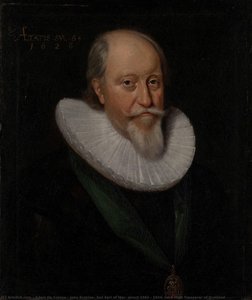
adam de colone
1572 - 1651
Kurzinfos
- Artistic Movement Or Style: Dutch Renaissance
- Artists Or Movements Influenced By This Artist: ['Baroque']
- Artists Who Influenced This Artist:
- Hugo van der Goes
- Adrian Vanson
- Date Of Birth: 1572
- Date Of Death: 1651
- Full Name: Adam de Colone
- Nationality: Scottish
- Notable Artworks:
- James VI Portraits
- Scottish Nobility
- Place Of Birth: Antwerp
Ähnliche Artikel

Goya: Die 25 Meisterwerke des spanischen Genies – Kunst für Ihr Zuhause | ArtsDot
Entdecken Sie die 25 Meisterwerke von Francisco Goya! Tauchen Sie ein in die düstere Romantik spanischer Malerei, Porträts & Historienbilder. Hochwertige Kunstdrucke auf ArtsDot.com – für Kunstliebhaber und stilvolles Wohnen.

John Singer Sargent: Die 25 Meisterwerke des Porträts – Kunst für Ihr Zuhause | ArtsDot
Entdecken Sie die 25 Meisterwerke von John Singer Sargent! Tauchen Sie ein in die Welt der Porträtmalerei, des Impressionismus & der Belle Époque. Hochwertige Kunstdrucke & Reproduktionen für Ihr Zuhause – jetzt auf ArtsDot.com!

John Constable: Die 25 Meisterwerke des englischen Landschaftsgenies – ArtsDot
Entdecken Sie die 25 Meisterwerke von John Constable! Erleben Sie englische Landschaftsmalerei vom Hay Wain bis zur Stour Valley. Hochwertige Reproduktionen & Kunst für Ihr Zuhause auf ArtsDot.com.

Über uns
Entdecken Sie unsere Geschichte! Wir bringen Weltklasse-Kunst in Ihr Leben durch fachkundige Auswahl, individuelle Kreationen und kostenlose Vorschauen. Seit dem Jahr 2000 von Privatpersonen und Unternehmen geschätzt.
John Ottis Adams: Capturing Rural Indiana's Luminist Spirit
Explore the serene landscapes of John Ottis Adams, a key American Impressionist of the Hoosier Group. Discover his Luminist style & forgotten legacy with ArtsDot.

