 Vorschau anzeigen
 Versenden
 Teilen
 Details anzeigen

 Herunterladen
 Ähnliche Objekte
 Röntgenaufnahme
 Diashow
Moonlight on the Friedrichskanal in Old Berlin
 Oil On Canvas
- WallArt
- German Realism
 1856
1856- 19th Century
 40.0 x 33.0 cm
 Nationalgalerie
 Weiterlesen
Giclée / Kunstdruck
Giclée- oder Leinwanddruck in Museumsqualität mit schneller Produktion und flexiblen Veredelungsoptionen. ( Handgemalte Reproduktion bestellen Bild kaufen)




P118B $10

P118H $10

P118W $10

P438Z $10

P508JH $12

P508YH $12

P805H $10

P805Z $10

P919BZ $10

P919G $10

P919XJ $10

P959ZH $10

P968JZ $12

W106C $8

W218G $10

W218JH $8

W218Y $10

W307PJ $10

W316G $10

W316PJ $8

W316Y $10

W398PJ $8

W4111J $10

W500HY $15

W500JH $15

W692G $12

W849H $8

W940BG $15

W953PJ $8




Wählen Sie aus unseren vordefinierten Formaten, die den ursprünglichen Proportionen des Kunstwerks entsprechen.

Sie können Ihre eigenen Maße eingeben, um ein bestimmtes Format oder einen speziellen Platz einzupassen. Wenn das von Ihnen gewählte Format nicht den Proportionen des Originalbildes entspricht, werden wir das Kunstwerk entweder beschneiden oder das Bild mit einem gespiegelten oder einfarbigen Rand erweitern. Ein digitaler Entwurf wird Ihnen zur Genehmigung zugesandt, bevor die Produktion beginnt.
Bitte beachten Sie, dass die Vorschau auf dem Bildschirm nicht den tatsächlichen Zuschnitt oder die Erweiterung widerspiegelt. Nur der Entwurf zeigt die endgültige Komposition präzise an.
Obwohl Sondermaße verfügbar sind, empfehlen wir die Auswahl eines Maßes aus der vordefinierten Liste, um die ursprünglichen Proportionen zu bewahren.
Weltweiter Versand () innerhalb von 2 Wochen statt der üblichen 4/5 Wochen. (23 August)

Kostenloser weltweiter Expressversand

Hochwertige Leinenleinwand

Umfassender Versicherungsschutz beim Versand

Zollgebühren-Rückerstattungsgarantie

Garantie für exakte Farbtreue

60 Tage Rückgaberecht (nur bei Mängeln)

100% Geld-zurück-Garantie

Mengenrabatt verfügbar
 Die Glasoption ist nur für Größen unter 110 cm verfügbar.

Moonlight on the Friedrichskanal in Old Berlin
Giclée / Kunstdruck
Format der Reproduktion
-


Gesamtpreis
$ 62
Sammlerstück-Beschreibung
A Nocturnal Symphony of Light and Water
In the quietude of a mid-19th-century Berlin night, Adolph von Menzel captures a moment that transcends mere landscape painting to become a profound meditation on tranquility and progress. Moonlight on the Friedrichskanal in Old Berlin, completed in 1856, invites the viewer into a world where the industrial pulse of a growing metropolis softens under the silver embrace of the moon. The scene is centered around the Friedrichskanal, a vital waterway that once served as the lifeblood of Berlin, connecting its industrious heart to its more affluent residential reaches. Through Menzel’s eyes, we do not see a gritty urban artery, but rather a serene nocturnal sanctuary where the gentle ripples of the canal reflect a celestial glow, and the silhouettes of moored boats rest in peaceful slumber.
The composition is masterfully balanced, utilizing the natural elements to guide the eye through a dreamlike atmosphere. The dark, intricate branches of trees line the banks, their forms etched sharply against the luminous sky, providing a structural frame that adds depth and intimacy to the view. As the gaze wanders across the water, the presence of small boats—one near the center and another tucked further into the distance—adds a sense of human scale and narrative mystery. This careful arrangement creates a rhythmic flow, leading the observer from the tangible textures of the shoreline into the ethereal, shimmering expanse of the moonlit canal.
The Mastery of German Realism
Technically, this work stands as a triumph of German Realism, showcasing Menzel’s unparalleled ability to marry meticulous observation with atmospheric emotion. His approach was deeply rooted in his early training within his father's lithographic workshop, an upbringing that instilled in him a reverence for precision and fine detail. To achieve the hauntingly beautiful luminosity seen on the water's surface, Menzel employed the sophisticated technique of layering thin glazes of oil paint. This method allows light to penetrate the upper layers and reflect back from beneath, mimicking the actual behavior of moonlight hitting a liquid surface. The result is a painting that seems to glow from within, capturing the subtle nuances of shadow and the silvery highlights on the foliage with astonishing accuracy.
Every brushstroke serves a purpose in building this tactile reality. The artist’s draftsmanship is evident in the way he renders the organic complexity of the trees and the smooth, reflective planes of the water. For the discerning collector or interior designer, this level of detail offers a captivating focal point that rewards prolonged study. The painting does not merely represent a scene; it recreates the very sensation of cool night air and the rhythmic, silent movement of water against wood.
Symbolism and the Spirit of an Era
Beyond its visual splendor, Moonlight on the Friedrichskanal carries a heavy symbolic weight, acting as a visual metaphor for a nation in transition. During this era, Prussia was undergoing a rapid transformation from a medieval-rooted society into a modern industrial powerhouse. The canal itself symbolizes this burgeoning spirit of innovation and urbanization. Yet, by choosing to depict this scene under the soft light of the moon, Menzel offers a counterpoint to the noise of progress. The solitary moon becomes an emblem of introspection and quietude, suggesting that even amidst the relentless march of industrialization, there remains a sacred space for beauty and contemplation.
For those looking to bring a piece of history into a contemporary space, this artwork offers more than just decoration; it provides an emotional anchor. It evokes a sense of nostalgia for a lost Berlin, while its themes of light overcoming darkness and peace amidst change remain universally resonant. Whether placed in a sophisticated study, a grand living room, or a curated gallery setting, this reproduction serves as a window into the soul of the 19th century, offering an enduring sense of calm and a profound appreciation for the quiet wonders of the natural world.
Ähnliche Kunstwerke

Über den Künstler
Ein Leben voller künstlerischer Exzellenz (1815–1905)
Adolph Friedrich Erdmann von Menzel, ein deutscher Realist, hinterließ mit seinen Zeichnungen, Radierungen und Gemälden einen bleibenden Eindruck in der Kunstwelt. Geboren am 8. Dezember 1815 in Breslau, Schlesien (heute Wrocław, Polen), war Menzels Leben ein Beweis für seine Hingabe, die Essenz der Realität durch seine Kunst einzufangen.Frühes Leben und Ausbildung
Menzels Vater, ein Lithograph, beabsichtigte zunächst, dass sein Sohn Professor werden sollte. Adolphs Leidenschaft für die Kunst setzte sich jedoch durch, was zu einem kurzen Studium an der Berliner Akademie der Künste im Jahr 1833 führte. Anschließend machte er sich selbstständig und verbesserte seine Fähigkeiten durch unermüdliches Üben.Künstlerische Leistungen
- Die Eisenhütte (1872–1875): Ein Meisterwerk, das Menzels scharfe Beobachtungsgabe und handwerkliches Können demonstriert.
- Der Marktplatz in Verona: Ein Beweis für seine Fähigkeit, die Atmosphäre des täglichen Lebens einzufangen.
- Die Kanzelpredigt in der Pfarrkirche zu Innsbruck (1857): Ein beeindruckendes Beispiel für Menzels Meisterschaft, das in der Sammlung Hugo Fischer (Bühl, Deutschland) zu finden ist.
Einfluss und Bedeutung
Menzels Ruf wuchs posthum vor allem durch seine grafischen Arbeiten und informellen Gemälde. Sein Einfluss reichte über Deutschland hinaus; Edgar Degas bewunderte und kopierte seine Werke und nannte ihn den "größten lebenden Meister". Menzels Verbindung zur französischen und englischen Kunst zeigt sich in seinen Genreszenen, wie Das Französische Fenster und Der Palastgarten von Prinz Albert.Vermächtnis und Rezeption
Adolph von Menzel gilt als einer der bedeutendsten deutschen Maler des 19. Jahrhunderts. Seine Werke spiegeln die gesellschaftlichen und industriellen Veränderungen seiner Zeit wider und bieten einen einzigartigen Einblick in das Leben im Deutschland des 19. Jahrhunderts. Er beeinflusste nachfolgende Generationen von Künstlern und seine Arbeiten werden bis heute für ihre Detailgenauigkeit, ihren Realismus und ihre emotionale Tiefe geschätzt. Seine Fähigkeit, sowohl monumentale historische Szenen als auch intime Alltagsmomente mit gleicher Meisterschaft darzustellen, macht ihn zu einer Schlüsselfigur der realistischen Kunstbewegung.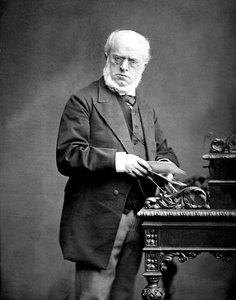
Adolph von Menzel
1815 - 1905 , Polen
Kurzinfos
- Beeinflusste Künstler: ['Edgar Degas']
- Bemerkenswerte Werke:
- Eisenwalzwerk (1872-1875)
- Marktplatz in Verona
- Deutsche Kanzelpredigt in Innsbruck
- Geburtsdatum: 8. Dezember 1815
- Geburtsort: Breslau, Polen
- Künstlerische Richtung: Realismus
- Nationalität: Deutsch
- Sterbedatum: 9. Februar 1905
- Vollständiger Name: Adolph Friedrich Erdmann von Menzel
- Von Künstlern Beeinflusst: ['Caspar David Friedrich']
Ähnliche Artikel
Adolph von Menzel: Preußischer Realismus und die malerische Chronik einer Epoche
Entdecken Sie Adolph von Menzels Meisterwerke des Preußischen Realismus! Erfahren Sie mehr über seine Historienmalerei, soziale Kommentare und seinen Einfluss auf die deutsche Kunstgeschichte. Jetzt lesen!
Meisterwerke Berlins: Die Top 25 Kunstwerke der Staatlichen Museen | ArtsDot
Entdecken Sie die 25 bedeutendsten Kunstwerke der Staatlichen Museen Berlin! Von Nefertiti bis zur Romantik – erfahren Sie faszinierende Geschichten über Künstler, Stile & Techniken. Kunstreproduktionen in Museumsqualiät auf ArtsDot.com.
Fritz von Uhde: Bridging Realism & Symbolism in Late 19th-Century German Painting
Explore the captivating world of Fritz von Uhde, a pivotal German painter bridging Realism & Symbolism. Discover his plein-air techniques, religious themes, and influence on modern art. Learn about this fascinating artist at ArtsDot.

Anton von Werner: Imperial Painter, Historical Witness & Shifting German Identity
Explore the life & work of Anton von Werner, Imperial Germany's leading painter. Discover his dramatic depictions of war, unification, and court life – a fascinating insight into 19th-century German history & art.
Romantic Realism's Finest: 10 Masterpieces for Your Home | ArtsDot
Explore 10 defining masterpieces of Romantic Realism! Discover Courbet, Millet & Daumier's powerful paintings—capturing emotion and social realities. Find museum-quality reproductions for your home at ArtsDot.com.