 Vorschau anzeigen
 Versenden
 Teilen
 Details anzeigen

 Herunterladen
 Ähnliche Objekte
 Röntgenaufnahme
 Diashow
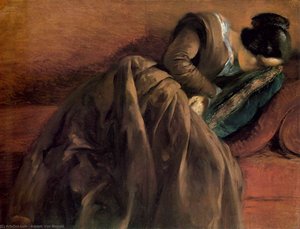
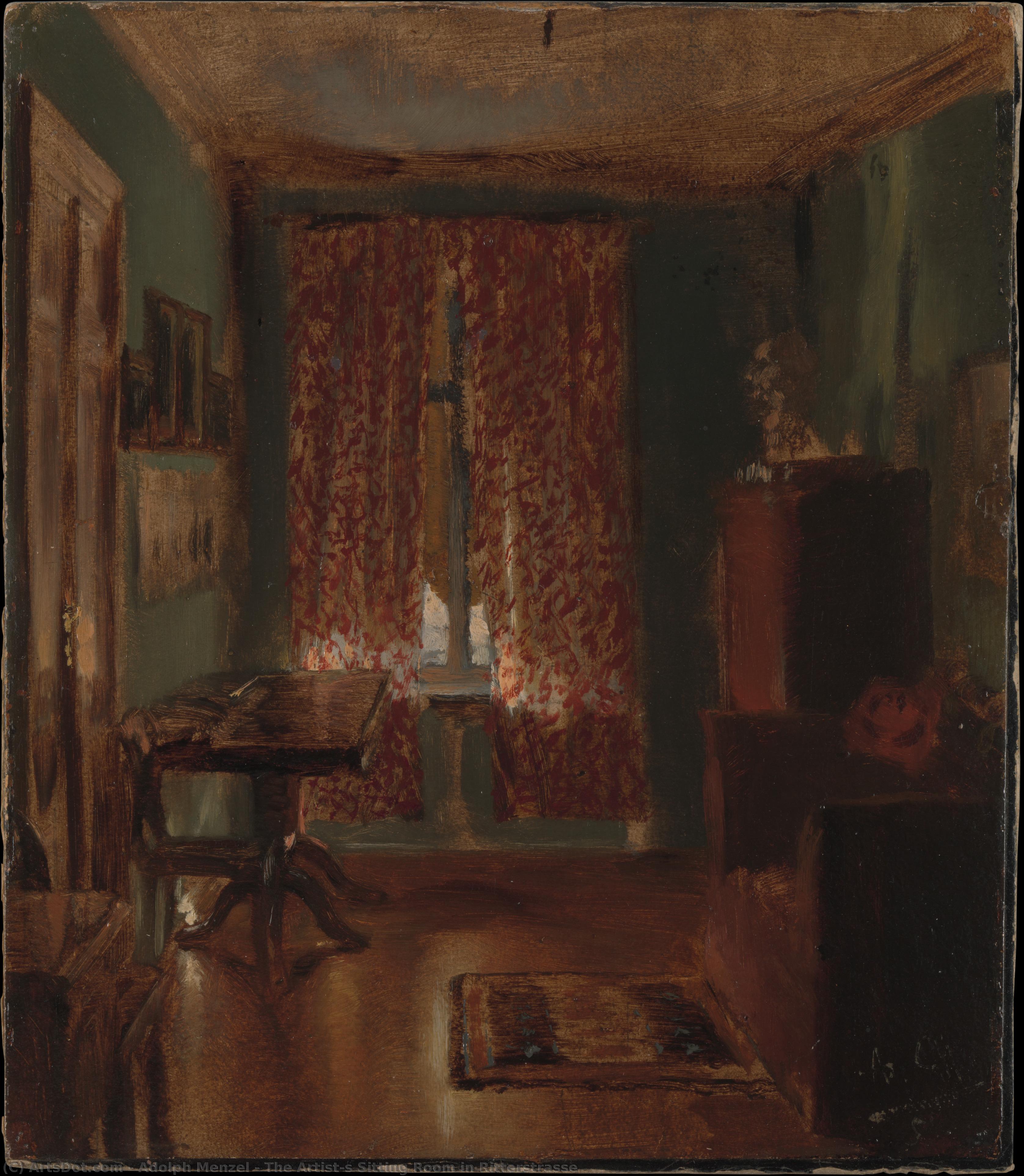
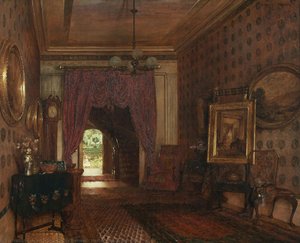
The Artist's Sitting Room in Ritterstrasse
 Oil On Canvas
- WallArt
- German Realism
 1851
1851- 19th Century
 32.0 x 27.0 cm
 Metropolitan Museum of Art
 Weiterlesen
Handgefertigte Ölreproduktion
Handgemaltes Ölgemälde auf Leinwand in Ihrer Wunschgröße und mit Rahmen, auf Bestellung von unseren Künstlern angefertigt. ( Druck bestellen Bild kaufen)




P118B $10

P118H $10

P118W $10

P438Z $10

P508JH $12

P508YH $12

P805H $10

P805Z $10

P919BZ $10

P919G $10

P919XJ $10

P959ZH $10

P968JZ $12

W106C $8

W218G $10

W218JH $8

W218Y $10

W307PJ $10

W316G $10

W316PJ $8

W316Y $10

W398PJ $8

W4111J $10

W500HY $15

W500JH $15

W692G $12

W849H $8

W940BG $15

W953PJ $8




Wählen Sie aus unseren vordefinierten Formaten, die den ursprünglichen Proportionen des Kunstwerks entsprechen.

Sie können Ihre eigenen Maße eingeben, um einen bestimmten Rahmen oder Platz auszufüllen. Wenn die gewählte Größe nicht den Proportionen des Originalbildes entspricht, werden wir das Kunstwerk entweder beschneiden oder das Gemälde durch zusätzliche, handgemalte Elemente erweitern. Ein digitales Mockup wird Ihnen zur Genehmigung zugesandt, bevor die Produktion beginnt.
Bitte beachten Sie, dass die Bildschirmvorschau nicht die tatsächliche Beschneidung oder Erweiterung widerspiegelt. Nur das Mockup zeigt die endgültige Komposition exakt an.
Obwohl Sondermaße verfügbar sind, empfehlen wir, eine Größe aus der vordefinierten Liste zu wählen, um die ursprünglichen Proportionen beizubehalten.
Nach der Bestellung wird das ArtsDot.com-Team dem Kunden Anweisungen per E-Mail zusenden und eine Mockup-Vorschau bereitstellen.
Weltweiter Versand () in nur 3 bis 4 Wochen statt der üblichen 5 Wochen. (24 August). Keine Kompromisse bei der Qualität.

Kostenloser weltweiter Expressversand

Hochwertige Leinenleinwand

Umfassender Versicherungsschutz beim Versand

Zollgebühren-Rückerstattungsgarantie

Garantie für exakte Farbtreue

60 Tage Rückgaberecht (nur bei Mängeln)

100% Geld-zurück-Garantie

Mengenrabatt verfügbar
 Die Glasoption ist nur für Größen unter 110 cm verfügbar.

The Artist's Sitting Room in Ritterstrasse
Art der Reproduktion
Format der Reproduktion
-


Gesamtpreis
$ 263
Beschreibung des Kunstwerks
Adolph von Menzel’s Intimate Revelation: The Artist's Sitting Room in Ritterstrasse
Adolph von Menzel’s “The Artist’s Sitting Room in Ritterstrasse,” painted in 1851, is more than a simple depiction of a domestic interior; it’s a profound meditation on light, observation, and the quiet dignity of everyday life. This intimate scene, one of five works created during a period of intense experimentation for Menzel, offers a rare glimpse into the private world of a working artist – a world meticulously rendered with an almost obsessive attention to detail that defines his legacy as a pivotal figure in German Realism.
The painting’s unassuming subject matter—a modestly furnished sitting room—is precisely what elevates it. Menzel, acutely aware of the fleeting effects of light and shadow, dedicated himself to capturing these ephemeral moments within the confines of his Berlin lodgings. This wasn't about grand historical narratives or dramatic theatrical scenes; it was a deeply personal investigation into the fundamental elements of artistic observation. The slightly worn furniture, the open window inviting in natural illumination, and the carefully placed objects – a book, two vases, a potted plant – collectively speak to a life dedicated to honest representation.
A Masterclass in Light and Texture
Menzel’s technical prowess is immediately apparent. Executed with his characteristic precision, the painting demonstrates a masterful understanding of oil paint application. Notice how he builds up layers of color to create subtle gradations of light and shadow, particularly around the window where the natural illumination dramatically transforms the space. The textures are equally compelling – the rough weave of the fabrics, the polished surface of the table, the delicate leaves of the potted plant—all rendered with a tactile realism that invites the viewer to almost step into the room itself.
The artist’s use of color is restrained yet remarkably effective. Menzel favors muted tones – browns, ochres, and grays – which contribute to the painting's overall sense of quiet contemplation. The subtle variations in hue create a harmonious atmosphere, reflecting the subdued light and the inherent warmth of the room.
Historical Context and Symbolic Resonance
"The Artist’s Sitting Room in Ritterstrasse" reflects Menzel’s broader artistic trajectory. While he is celebrated for his historical paintings – particularly those depicting scenes from German mythology and folklore – these smaller, more intimate works represent a crucial stage in his development. They demonstrate his commitment to capturing the realities of contemporary life with unflinching honesty, anticipating the rise of Realism as a dominant force in 19th-century art.
The inclusion of seemingly mundane objects—the book, the vases—holds symbolic weight. They represent not just material possessions but also intellectual pursuits and an appreciation for beauty within the ordinary. The open window symbolizes access to nature and the inspiration it provides, while the carefully arranged furniture suggests a deliberate attempt to create a space conducive to reflection and creativity.
A Timeless Reflection on Domesticity
Measuring 32 x 27 cm, this artwork offers a captivating glimpse into the world of Adolph von Menzel. Its enduring appeal lies in its ability to evoke a sense of quiet contemplation and appreciation for the beauty found in everyday moments. This reproduction allows you to experience the profound impact of Menzel’s artistic vision – a testament to his unwavering dedication to realism, light, and the human condition.
Ähnliche Kunstwerke

Über den Künstler
Ein Leben voller künstlerischer Exzellenz (1815–1905)
Adolph Friedrich Erdmann von Menzel, ein deutscher Realist, hinterließ mit seinen Zeichnungen, Radierungen und Gemälden einen bleibenden Eindruck in der Kunstwelt. Geboren am 8. Dezember 1815 in Breslau, Schlesien (heute Wrocław, Polen), war Menzels Leben ein Beweis für seine Hingabe, die Essenz der Realität durch seine Kunst einzufangen.Frühes Leben und Ausbildung
Menzels Vater, ein Lithograph, beabsichtigte zunächst, dass sein Sohn Professor werden sollte. Adolphs Leidenschaft für die Kunst setzte sich jedoch durch, was zu einem kurzen Studium an der Berliner Akademie der Künste im Jahr 1833 führte. Anschließend machte er sich selbstständig und verbesserte seine Fähigkeiten durch unermüdliches Üben.Künstlerische Leistungen
- Die Eisenhütte (1872–1875): Ein Meisterwerk, das Menzels scharfe Beobachtungsgabe und handwerkliches Können demonstriert.
- Der Marktplatz in Verona: Ein Beweis für seine Fähigkeit, die Atmosphäre des täglichen Lebens einzufangen.
- Die Kanzelpredigt in der Pfarrkirche zu Innsbruck (1857): Ein beeindruckendes Beispiel für Menzels Meisterschaft, das in der Sammlung Hugo Fischer (Bühl, Deutschland) zu finden ist.
Einfluss und Bedeutung
Menzels Ruf wuchs posthum vor allem durch seine grafischen Arbeiten und informellen Gemälde. Sein Einfluss reichte über Deutschland hinaus; Edgar Degas bewunderte und kopierte seine Werke und nannte ihn den "größten lebenden Meister". Menzels Verbindung zur französischen und englischen Kunst zeigt sich in seinen Genreszenen, wie Das Französische Fenster und Der Palastgarten von Prinz Albert.Vermächtnis und Rezeption
Adolph von Menzel gilt als einer der bedeutendsten deutschen Maler des 19. Jahrhunderts. Seine Werke spiegeln die gesellschaftlichen und industriellen Veränderungen seiner Zeit wider und bieten einen einzigartigen Einblick in das Leben im Deutschland des 19. Jahrhunderts. Er beeinflusste nachfolgende Generationen von Künstlern und seine Arbeiten werden bis heute für ihre Detailgenauigkeit, ihren Realismus und ihre emotionale Tiefe geschätzt. Seine Fähigkeit, sowohl monumentale historische Szenen als auch intime Alltagsmomente mit gleicher Meisterschaft darzustellen, macht ihn zu einer Schlüsselfigur der realistischen Kunstbewegung.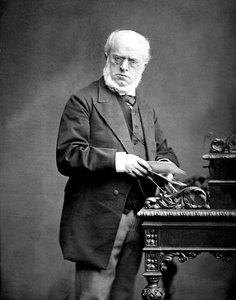
Adolph von Menzel
1815 - 1905 , Polen
Kurzinfos
- Beeinflusste Künstler: ['Edgar Degas']
- Bemerkenswerte Werke:
- Eisenwalzwerk (1872-1875)
- Marktplatz in Verona
- Deutsche Kanzelpredigt in Innsbruck
- Geburtsdatum: 8. Dezember 1815
- Geburtsort: Breslau, Polen
- Künstlerische Richtung: Realismus
- Nationalität: Deutsch
- Sterbedatum: 9. Februar 1905
- Vollständiger Name: Adolph Friedrich Erdmann von Menzel
- Von Künstlern Beeinflusst: ['Caspar David Friedrich']
Ähnliche Artikel

Giclée Prints: Archival Quality & Aesthetic Nuances for the Discerning Collector
Explore the world of giclée prints with ArtsDot. Learn about archival quality, aesthetic nuances & investment potential. Expert guidance for discerning art collectors seeking museum-quality reproductions and lasting value.

The Enduring Legacy of Fine Art Prints: Technique, History & Aesthetic Impact
Explore the rich history & techniques of fine art prints. Discover investment potential, assess authenticity, and learn how to preserve your collection with expert guidance. Trusted insights for discerning collectors.

Echoes of Time: Exploring the Enduring Appeal & Historical Context of Vintage Art Prints
Explore the captivating world of vintage art prints! Discover their history, collecting tips & enduring appeal. Expert insights on chromolithography and building a legacy collection with ArtsDot.
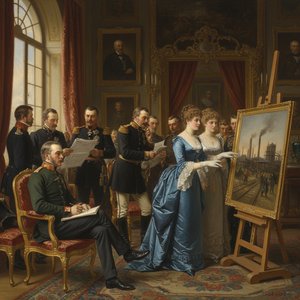
Adolph von Menzel: Preußischer Realismus und die malerische Chronik einer Epoche
Entdecken Sie Adolph von Menzels Meisterwerke des Preußischen Realismus! Erfahren Sie mehr über seine Historienmalerei, soziale Kommentare und seinen Einfluss auf die deutsche Kunstgeschichte. Jetzt lesen!

Deutsche Expressionismus Meisterwerke: Die 10 wichtigsten Kunstwerke für Ihr Zuhause
Entdecken Sie die 10 bedeutendsten Werke des Deutschen Expressionismus! Kirchner, Nolde & Co. – ihre Geschichten, Techniken und zeitlose Schönheit. Hochwertige Kunstdrucke auf ArtsDot.com kaufen und Ihr Zuhause mit emotionaler Kunst bereichern. Jetzt entdecken!