 Vorschau anzeigen
 Versenden
 Teilen
 Details anzeigen

 Herunterladen
 Ähnliche Objekte
 Röntgenaufnahme
 Diashow
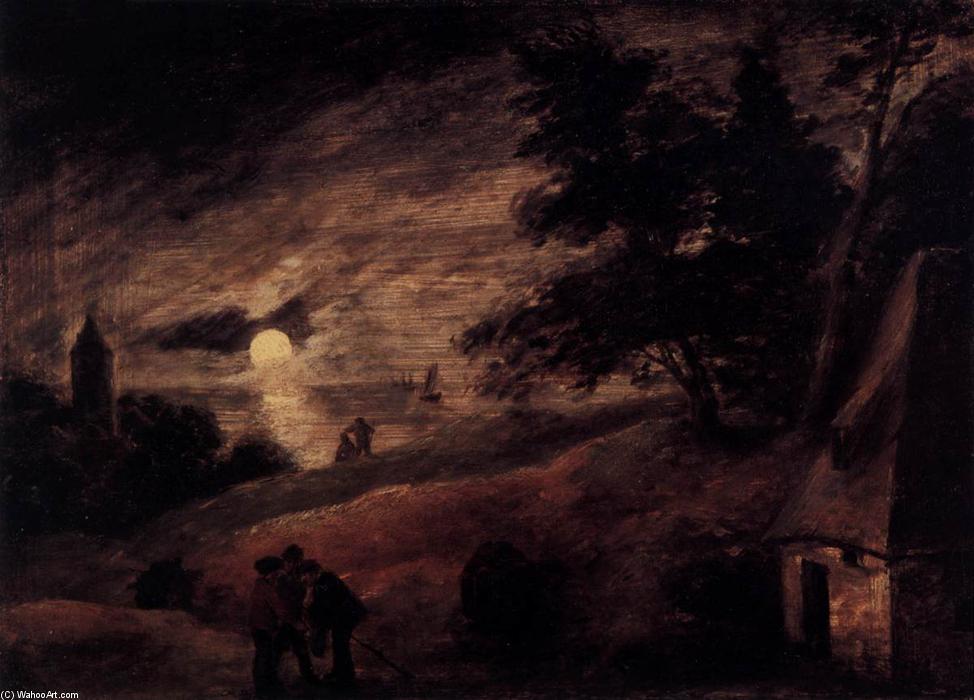
Dune Landscape by Moonlight
 Oil On Canvas
- WallArt
- Baroque
 1635
1635 25.0 x 34.0 cm
 Staatliche Museen zu Berlin
 Weiterlesen
Handgefertigte Ölreproduktion
Handgemaltes Ölgemälde auf Leinwand in Ihrer Wunschgröße und mit Rahmen, auf Bestellung von unseren Künstlern angefertigt. ( Druck bestellen Bild kaufen)




P118B $10

P118H $10

P118W $10

P438Z $10

P508JH $12

P508YH $12

P805H $10

P805Z $10

P919BZ $10

P919G $10

P919XJ $10

P959ZH $10

P968JZ $12

W106C $8

W218G $10

W218JH $8

W218Y $10

W307PJ $10

W316G $10

W316PJ $8

W316Y $10

W398PJ $8

W4111J $10

W500HY $15

W500JH $15

W692G $12

W849H $8

W940BG $15

W953PJ $8




Wählen Sie aus unseren vordefinierten Formaten, die den ursprünglichen Proportionen des Kunstwerks entsprechen.

Sie können Ihre eigenen Maße eingeben, um einen bestimmten Rahmen oder Platz auszufüllen. Wenn die gewählte Größe nicht den Proportionen des Originalbildes entspricht, werden wir das Kunstwerk entweder beschneiden oder das Gemälde durch zusätzliche, handgemalte Elemente erweitern. Ein digitales Mockup wird Ihnen zur Genehmigung zugesandt, bevor die Produktion beginnt.
Bitte beachten Sie, dass die Bildschirmvorschau nicht die tatsächliche Beschneidung oder Erweiterung widerspiegelt. Nur das Mockup zeigt die endgültige Komposition exakt an.
Obwohl Sondermaße verfügbar sind, empfehlen wir, eine Größe aus der vordefinierten Liste zu wählen, um die ursprünglichen Proportionen beizubehalten.
Nach der Bestellung wird das ArtsDot.com-Team dem Kunden Anweisungen per E-Mail zusenden und eine Mockup-Vorschau bereitstellen.
Weltweiter Versand () in nur 3 bis 4 Wochen statt der üblichen 5 Wochen. (3 September). Keine Kompromisse bei der Qualität.

Kostenloser weltweiter Expressversand

Hochwertige Leinenleinwand

Umfassender Versicherungsschutz beim Versand

Zollgebühren-Rückerstattungsgarantie

Garantie für exakte Farbtreue

60 Tage Rückgaberecht (nur bei Mängeln)

100% Geld-zurück-Garantie

Mengenrabatt verfügbar
 Die Glasoption ist nur für Größen unter 110 cm verfügbar.

Dune Landscape by Moonlight
Art der Reproduktion
Format der Reproduktion
-


Gesamtpreis
$ 263
A Moonlit Dance in the Dunes: Adriaen Brouwer’s ‘Dune Landscape by Moonlight’
Adriaen Brouwer's “Dune Landscape by Moonlight,” painted circa 1635-1637, isn’t merely a depiction of a coastal scene; it’s a profound exploration of human existence bathed in the ethereal glow of the night. This remarkable work, now meticulously reproduced as a hand-painted artwork, transports us to a windswept expanse where the boundaries between reality and dream blur, inviting contemplation on themes of solitude, companionship, and the quiet drama of everyday life. Brouwer, a pivotal figure in 17th-century Flemish painting, masterfully captured the essence of his time – a period marked by both burgeoning prosperity and underlying social tensions – through his unflinching portrayal of peasant life, often imbued with a subtle yet potent commentary on human nature.
The scene unfolds within a vast, undulating dune landscape, dominated by a towering, ancient tree that serves as a silent sentinel. Two figures, rendered in a remarkably realistic style for the period, stand before it, their postures suggesting both intimacy and a shared awareness of the surrounding wilderness. Their presence isn’t overtly dramatic; instead, they embody a quiet dignity, a sense of belonging within this rugged environment. A third individual, positioned slightly further back on the right, adds another layer to the composition, hinting at an unseen narrative or perhaps simply the observation of this intimate tableau. The artist's use of light is particularly striking – a cool, silvery moonlight casts long shadows across the dunes, creating a sense of depth and mystery while simultaneously highlighting the textures of the sand and vegetation.
The Painter’s Palette: Technique and Style
Brouwer’s style defies easy categorization. He wasn't confined to the idealized beauty favored by many of his contemporaries; instead, he embraced a gritty realism that often depicted subjects in their most unvarnished state. “Dune Landscape by Moonlight” exemplifies this approach. The brushstrokes are loose and expressive, conveying movement and atmosphere with remarkable immediacy. Brouwer’s masterful use of chiaroscuro – the dramatic contrast between light and shadow – adds to the painting's emotional impact, drawing our attention to key details while simultaneously enveloping the scene in a sense of nocturnal mystery. The palette is restrained, dominated by earthy tones—ochres, browns, and grays—that perfectly complement the muted moonlight. The artist’s skill lies not just in his technical proficiency but also in his ability to imbue his subjects with a palpable sense of life.
A Window into 17th-Century Life
To understand “Dune Landscape by Moonlight,” it's crucial to consider the historical context in which it was created. The Netherlands, and Flanders specifically, were undergoing significant social and economic changes during the 17th century – a period of unprecedented wealth accumulation alongside persistent poverty and social inequality. Brouwer’s paintings often served as a mirror reflecting this duality. The figures in his works are typically peasants, fishermen, or laborers—members of the lower classes whose lives were shaped by hardship and uncertainty. Yet, within their struggles, Brouwer reveals a remarkable resilience and an enduring capacity for connection. The scene evokes the spirit of the Dutch Golden Age, but with a darker, more introspective edge.
Symbolism and Emotional Resonance
Beyond its realistic depiction of a coastal landscape, “Dune Landscape by Moonlight” is rich in symbolic meaning. The ancient tree, a recurring motif in Brouwer’s work, can be interpreted as a symbol of longevity, wisdom, or perhaps even the enduring power of nature. The two figures standing before it represent companionship and shared experience—a quiet affirmation of human connection amidst the vastness of the world. The painting's overall mood is one of melancholy and contemplation, inviting viewers to reflect on their own place within the larger scheme of things. It’s a scene that speaks to the universal themes of solitude, belonging, and the beauty found in the simplest moments of life. The reproduction captures this essence perfectly, allowing you to experience the painting's profound emotional impact firsthand.
Ähnliche Kunstwerke


Über den Künstler
Frühes Leben und Hintergrund
- Geboren: Oudenaarde, Belgien (1605/1635)
- Gestorben: 1638
- Sein Vater war ein Wandteppichdesigner.
- Adriaen Brouwer erlebte früh im Leben Härten; der Tod seines Vaters im Alter von 15 Jahren zwang ihn, das Elternhaus zu verlassen.
Künstlerische Entwicklung und Genremalerei
- Brouwer wurde bekannt für seine lebendigen Darstellungen des Alltagslebens, insbesondere Szenen mit Bauern, Soldaten und einfachen Leuten.
- Er war ein wichtiger Innovator in der Genremalerei – Kunst, die Szenen aus dem gewöhnlichen Leben darstellt.
- Seine Gemälde zeigten oft Trinken, Rauchen, Kartenspielen und andere Aktivitäten der unteren Schichten.
- Bemerkenswerte Werke sind "Arme Leute beim Trinken in einer Taverne", "Kleinbauern beim Kartenspiel", "Der Raucher", "Das Schlachtfest", "Die Schlägerei", "Mondlichtlandschaft", "Betrunkener Bauer in einer Taverne", "Bauern beim Kartenspielen" und "Trinker im Hof".
Einflüsse und künstlerischer Stil
- Flandrische Primitive: Brouwers Werk wurde vom detaillierten Realismus der flämischen Primitiven beeinflusst.
- Barockkunst: Seine Gemälde enthielten oft dramatische Beleuchtung und intensive Emotionen, die für die Barockkunst typisch sind.
- Sein Stil verband Realismus mit einem Sinn für Humor und lebendiger Beobachtung.
Vermächtnis und Einfluss
- Brouwers Werk beeinflusste nachfolgende Generationen flämischer und niederländischer Maler maßgeblich.
- Er trug dazu bei, die Genremalerei als eine wichtige Kraft in der Kunst des 17. Jahrhunderts zu etablieren.
- David Teniers der Jüngere war einer der Künstler, der sich von Brouwers innovativem Ansatz zur Darstellung des Alltagslebens inspirieren ließ.
Historische Bedeutung
- Brouwers Gemälde bieten wertvolle Einblicke in die sozialen Bräuche und täglichen Routinen Flanderns und der Niederländischen Republik im 17. Jahrhundert.
- Sein Fokus auf gewöhnliche Menschen hob die Genremalerei hervor und trug zu ihrer wachsenden Popularität und Bedeutung in der Kunstwelt bei.
- Seine Werke befinden sich in Museen wie dem Koninklijk Museum voor Schone Kunsten in Antwerpen, Belgien.
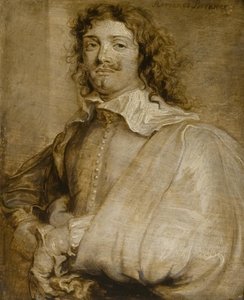
Adriaen Brouwer
1635 - 1638 , Belgien
Kurzinfos
- Beeinflusste Künstler: ['David Teniers der Jüngere']
- Bemerkenswerte Werke:
- Arme Leute im Gasthaus
- Bauern beim Kartenspiel
- Der Raucher
- Die Schlachtfestivität
- Schlägerei
- Mondlichtlandschaft
- Betrunkener Bauer
- Bauern beim Kartenspiel
- Trinker im Hof
- Geburtsdatum: 1605/1635 (ungefähr)
- Geburtsort: Oudenarde, Belgien
- Künstlerische Einflüsse: ['Flandrische Primitive']
- Künstlerische Richtung: Barock, Genremalerei
- Nationalität: Flämisch
- Todestag: 1638
- Vollständiger Name: Adriaen Brouwer
Ähnliche Artikel

Golden Age Reflections: Dutch Baroque Painting & Cultural Innovation
Explore the Dutch Golden Age of painting! Discover key artists like Vermeer & ter Borch, their innovative techniques, and the rich cultural context behind these Baroque masterpieces. Learn about collecting & appreciating this iconic art period.
Adriaen Brouwer: Capturing Dutch Life & Social Commentary Through Genre Painting
Explore the captivating world of Adriaen Brouwer, a master of Dutch Golden Age genre painting. Discover his vivid depictions of peasant life, social commentary, and lasting influence on art history. Learn more at ArtsDot.

Die 10 Meisterwerke der niederländischen Barockmalerei – Kunst für Ihr Zuhause | ArtsDot
Entdecken Sie die 10 prägendsten Meisterwerke der niederländischen Barockmalerei! Von Rembrandt bis Vermeer – erleben Sie Kunstgeschichte, Techniken & Emotionen. Hochwertige Reproduktionen für Ihr Zuhause auf ArtsDot.com.
Nicolaes Berchem und das Goldene Zeitalter: Pastoralismus, Idealisierung & Künstlerische Innovation
Entdecken Sie die faszinierende Welt von Nicolaes Berchem und das Goldene Zeitalter der niederländischen Landschaftsmalerei. Expertenanalyse, Hintergrundinformationen & künstlerische Innovationen.
Cornelis van Poelenburch: Bridging Mannerism & the Dutch Baroque Landscape
Discover Cornelis van Poelenburch, a pivotal Dutch Baroque landscape painter bridging Mannerism & Italianate styles. Explore his life, key works, and lasting influence on 17th-century art with ArtsDot.