 Vorschau anzeigen
 Versenden
 Teilen
 Details anzeigen

 Herunterladen
 Ähnliche Objekte
 Röntgenaufnahme
 Diashow
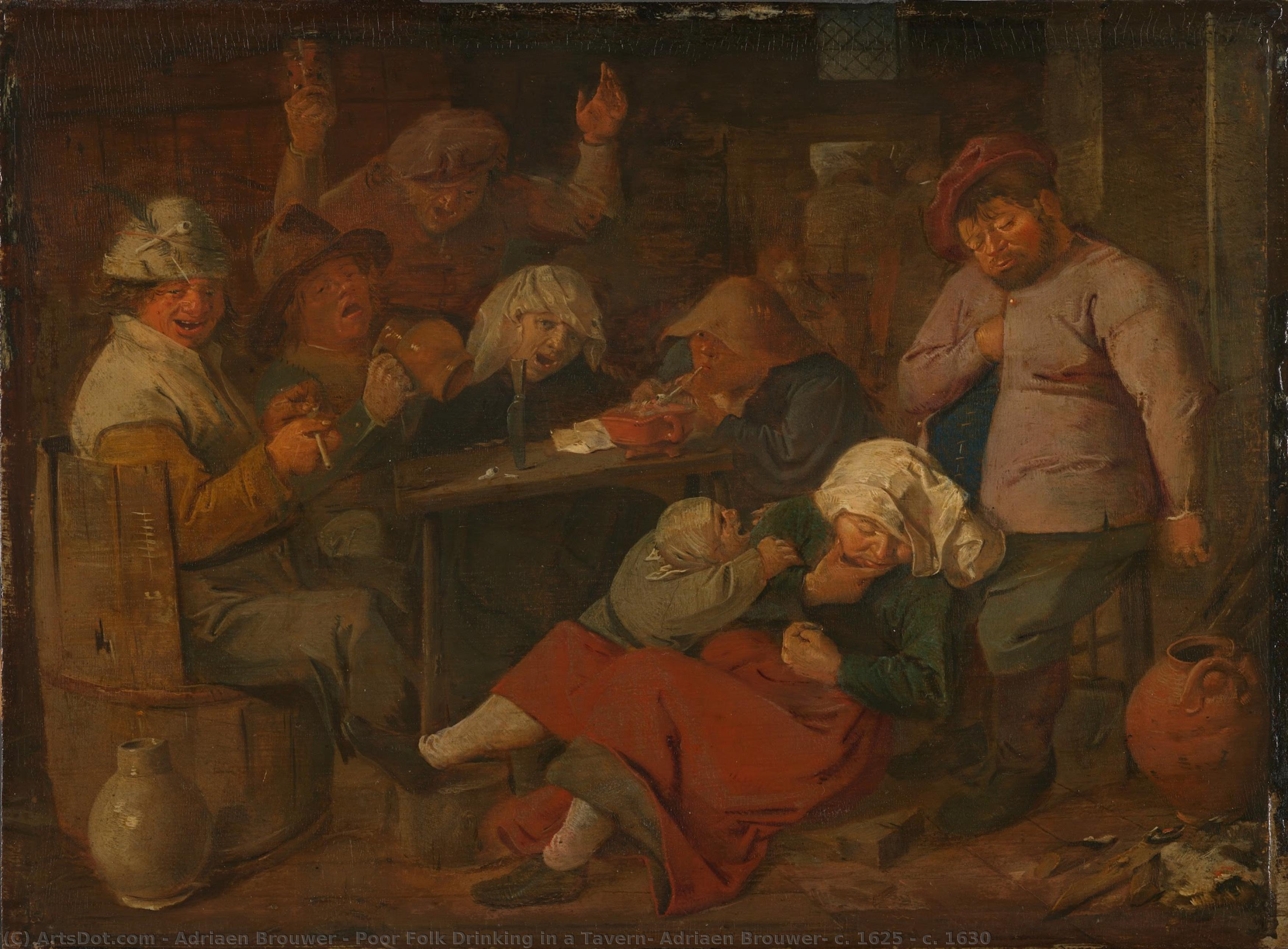
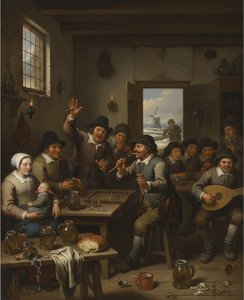
Poor Folk Drinking in a Tavern, Adriaen Brouwer, c. 1625 - c. 1630


 Weiterlesen
Handgefertigte Ölreproduktion
Handgemaltes Ölgemälde auf Leinwand in Ihrer Wunschgröße und mit Rahmen, auf Bestellung von unseren Künstlern angefertigt. ( Druck bestellen Bild kaufen)




P118B $10

P118H $10

P118W $10

P438Z $10

P508JH $12

P508YH $12

P805H $10

P805Z $10

P919BZ $10

P919G $10

P919XJ $10

P959ZH $10

P968JZ $12

W106C $8

W218G $10

W218JH $8

W218Y $10

W307PJ $10

W316G $10

W316PJ $8

W316Y $10

W398PJ $8

W4111J $10

W500HY $15

W500JH $15

W692G $12

W849H $8

W940BG $15

W953PJ $8




Wählen Sie aus unseren vordefinierten Formaten, die den ursprünglichen Proportionen des Kunstwerks entsprechen.

Sie können Ihre eigenen Maße eingeben, um einen bestimmten Rahmen oder Platz auszufüllen. Wenn die gewählte Größe nicht den Proportionen des Originalbildes entspricht, werden wir das Kunstwerk entweder beschneiden oder das Gemälde durch zusätzliche, handgemalte Elemente erweitern. Ein digitales Mockup wird Ihnen zur Genehmigung zugesandt, bevor die Produktion beginnt.
Bitte beachten Sie, dass die Bildschirmvorschau nicht die tatsächliche Beschneidung oder Erweiterung widerspiegelt. Nur das Mockup zeigt die endgültige Komposition exakt an.
Obwohl Sondermaße verfügbar sind, empfehlen wir, eine Größe aus der vordefinierten Liste zu wählen, um die ursprünglichen Proportionen beizubehalten.
Nach der Bestellung wird das ArtsDot.com-Team dem Kunden Anweisungen per E-Mail zusenden und eine Mockup-Vorschau bereitstellen.
Weltweiter Versand () in nur 3 bis 4 Wochen statt der üblichen 5 Wochen. (29 August). Keine Kompromisse bei der Qualität.

Kostenloser weltweiter Expressversand

Hochwertige Leinenleinwand

Umfassender Versicherungsschutz beim Versand

Zollgebühren-Rückerstattungsgarantie

Garantie für exakte Farbtreue

60 Tage Rückgaberecht (nur bei Mängeln)

100% Geld-zurück-Garantie

Mengenrabatt verfügbar
 Die Glasoption ist nur für Größen unter 110 cm verfügbar.

Poor Folk Drinking in a Tavern, Adriaen Brouwer, c. 1625 - c. 1630
Art der Reproduktion
Format der Reproduktion
-


Gesamtpreis
$ 263
A Symphony of Revelry and Ruin
In the dim, amber-hued atmosphere of Adriaen Brouwer’s Poor Folk Drinking in a Tavern, we are not merely observers of a scene, but uninvited guests at a boisterous, mid-17th-century gathering. The canvas breathes with the heavy, palpable scent of spilled ale and the raucous energy of a crowd lost to the moment. Brouwer, a master of the Flemish Baroque genre, captures a slice of life that is simultaneously gritty and deeply human. At first glance, the eye is drawn to the sheer density of the composition; at least twelve souls are woven into this tapestry of conviviality, some perched precariously on benches, others slumped in various states of intoxication around a central dining table. The room itself feels intimate, almost claustrophobic, as if the walls are closing in with the heat of the bodies and the weight of the shared experience.
The technique employed here is nothing short of masterful, showcasing Brouwer’s ability to manipulate light and shadow to evoke a sense of raw realism. His brushwork, often described as fluent and expressive, avoids the overly polished finish of his contemporaries in favor of a more visceral, textured approach. This allows the viewer to feel the rough grain of the wooden tables, the coarse fabric of the peasants' clothing, and the liquid glint of the cups scattered across the scene. The lighting is particularly evocative; it does not illuminate the room with clarity but rather flickers through the haze, casting deep, dramatic shadows that lend a sense of mystery to the corners of the tavern. This chiaroscroll effect heightens the emotional stakes, transforming a simple social gathering into a profound study of human vulnerability and excess.
The Poetics of the Mundane
Beyond the surface-level celebration, there lies a deeper, more melancholic layer to this work. While the atmosphere is undeniably lively, Brouwer subtly weaves in themes of exhaustion and the inevitable aftermath of indulgence. The presence of sleeping figures in the foreground serves as a poignant counterpoint to the active revelry of those still standing or singing. These slumped forms act as memento mori, reminding us that the high of the tavern eventually gives way to the heavy silence of stupor. There is a profound symbolism in the disheveled appearance of the subjects—the undone headdresses and the weary postures—which speaks to a loss of social decorum in favor of primal instinct. It is a masterful exploration of the effects of alcohol, where the joy of companionship is inextricably linked to the physical toll of excess.
For the discerning collector or interior designer, this painting offers more than just a historical window; it provides a powerful emotional anchor for any space. The earthy palette of browns, ochres, and muted greals creates a sense of warmth and groundedness, making it an ideal centerpiece for rooms designed to evoke comfort, history, and intellectual depth. A high-quality reproduction of this piece allows one to bring the soulful, turbulent energy of the Dutch Golden Age into a modern setting, inviting conversation about the complexities of the human condition. It is a work that does not merely decorate a wall but commands the room, offering a timeless reflection on the beauty found within the most humble and unrefined corners of life.
Ähnliche Kunstwerke

Über den Künstler
Frühes Leben und Hintergrund
- Geboren: Oudenaarde, Belgien (1605/1635)
- Gestorben: 1638
- Sein Vater war ein Wandteppichdesigner.
- Adriaen Brouwer erlebte früh im Leben Härten; der Tod seines Vaters im Alter von 15 Jahren zwang ihn, das Elternhaus zu verlassen.
Künstlerische Entwicklung und Genremalerei
- Brouwer wurde bekannt für seine lebendigen Darstellungen des Alltagslebens, insbesondere Szenen mit Bauern, Soldaten und einfachen Leuten.
- Er war ein wichtiger Innovator in der Genremalerei – Kunst, die Szenen aus dem gewöhnlichen Leben darstellt.
- Seine Gemälde zeigten oft Trinken, Rauchen, Kartenspielen und andere Aktivitäten der unteren Schichten.
- Bemerkenswerte Werke sind "Arme Leute beim Trinken in einer Taverne", "Kleinbauern beim Kartenspiel", "Der Raucher", "Das Schlachtfest", "Die Schlägerei", "Mondlichtlandschaft", "Betrunkener Bauer in einer Taverne", "Bauern beim Kartenspielen" und "Trinker im Hof".
Einflüsse und künstlerischer Stil
- Flandrische Primitive: Brouwers Werk wurde vom detaillierten Realismus der flämischen Primitiven beeinflusst.
- Barockkunst: Seine Gemälde enthielten oft dramatische Beleuchtung und intensive Emotionen, die für die Barockkunst typisch sind.
- Sein Stil verband Realismus mit einem Sinn für Humor und lebendiger Beobachtung.
Vermächtnis und Einfluss
- Brouwers Werk beeinflusste nachfolgende Generationen flämischer und niederländischer Maler maßgeblich.
- Er trug dazu bei, die Genremalerei als eine wichtige Kraft in der Kunst des 17. Jahrhunderts zu etablieren.
- David Teniers der Jüngere war einer der Künstler, der sich von Brouwers innovativem Ansatz zur Darstellung des Alltagslebens inspirieren ließ.
Historische Bedeutung
- Brouwers Gemälde bieten wertvolle Einblicke in die sozialen Bräuche und täglichen Routinen Flanderns und der Niederländischen Republik im 17. Jahrhundert.
- Sein Fokus auf gewöhnliche Menschen hob die Genremalerei hervor und trug zu ihrer wachsenden Popularität und Bedeutung in der Kunstwelt bei.
- Seine Werke befinden sich in Museen wie dem Koninklijk Museum voor Schone Kunsten in Antwerpen, Belgien.
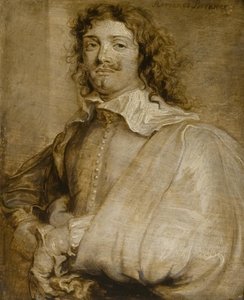
Adriaen Brouwer
1635 - 1638 , Belgien
Kurzinfos
- Beeinflusste Künstler: ['David Teniers der Jüngere']
- Bemerkenswerte Werke:
- Arme Leute im Gasthaus
- Bauern beim Kartenspiel
- Der Raucher
- Die Schlachtfestivität
- Schlägerei
- Mondlichtlandschaft
- Betrunkener Bauer
- Bauern beim Kartenspiel
- Trinker im Hof
- Geburtsdatum: 1605/1635 (ungefähr)
- Geburtsort: Oudenarde, Belgien
- Künstlerische Einflüsse: ['Flandrische Primitive']
- Künstlerische Richtung: Barock, Genremalerei
- Nationalität: Flämisch
- Todestag: 1638
- Vollständiger Name: Adriaen Brouwer
Ähnliche Artikel
Adriaen Brouwer: Capturing Dutch Life & Social Commentary Through Genre Painting
Explore the captivating world of Adriaen Brouwer, a master of Dutch Golden Age genre painting. Discover his vivid depictions of peasant life, social commentary, and lasting influence on art history. Learn more at ArtsDot.

The Visceral Stage: Exploring Dramatic Narratives & Emotional Intensity in Baroque Art
Explore the dramatic world of Baroque art! Discover iconic masters like Caravaggio & Rembrandt, their techniques, and the movement's lasting impact. Expert insights for collectors & enthusiasts at ArtsDot.

Barocke Pracht: Wie Sie Opulenz und Emotionen in zeitgenössische Innenräume bringen
Entdecken Sie die Pracht des Barock! Expertenratgeber für luxuriöse Innenräume mit barocken Elementen. Inspiration, Tipps & hochwertige Kunst bei .

The Dramatic Flourish: Exploring the Baroque Movement's Enduring Legacy in Art History
Explore the dramatic world of Baroque art! Discover iconic artists like Caravaggio & Rubens, defining techniques, and its lasting impact on art history. Expert insights for collectors & enthusiasts at ArtsDot.

Barock Meisterwerke: Die 10 prägendsten Kunstwerke für Ihr Zuhause |
Entdecken Sie die 10 prägendsten Meisterwerke des Barock! Caravaggio, Rembrandt & Co. – Erfahren Sie die Geschichten hinter ikonischen Gemälde und finden Sie hochwertige Kunst Reproduktionen für Ihr Zuhause auf .