 Vorschau anzeigen
 Versenden
 Teilen
 Details anzeigen

 Herunterladen
 Ähnliche Objekte
 Röntgenaufnahme
 Diashow
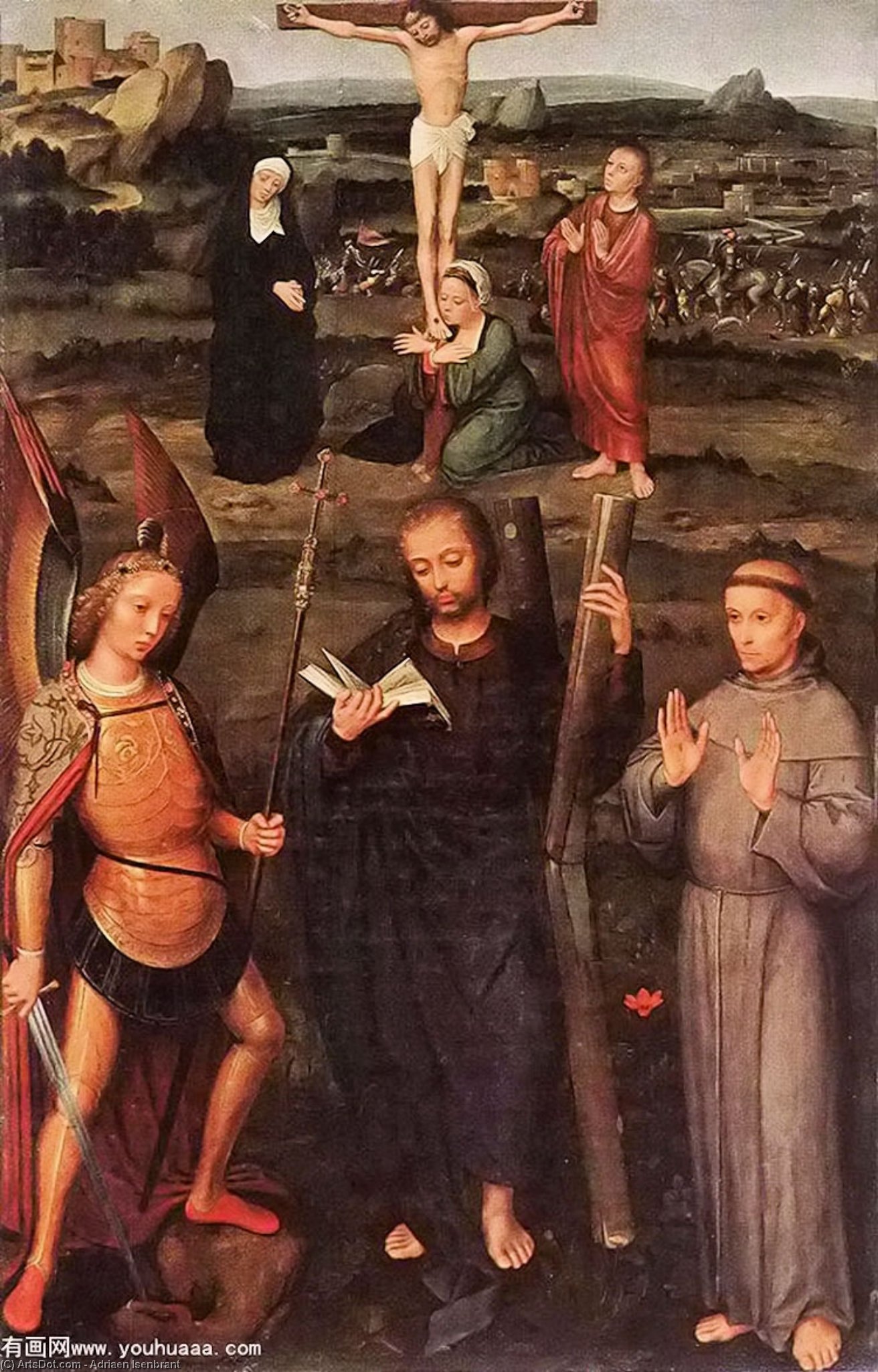
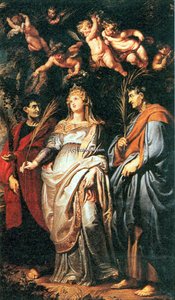
Archangel St Michael, St Andrew and St Francis of Assisi
 Oil
Oil- WallArt
- Northern Renaissance
 Renaissance
 127.0 x 81.0 cm
 Szépművészeti Múzeum
 Weiterlesen
Handgefertigte Ölreproduktion
Handgemaltes Ölgemälde auf Leinwand in Ihrer Wunschgröße und mit Rahmen, auf Bestellung von unseren Künstlern angefertigt. ( Druck bestellen Bild kaufen)




P118B $10

P118H $10

P118W $10

P438Z $10

P508JH $12

P508YH $12

P805H $10

P805Z $10

P919BZ $10

P919G $10

P919XJ $10

P959ZH $10

P968JZ $12

W106C $8

W218G $10

W218JH $8

W218Y $10

W307PJ $10

W316G $10

W316PJ $8

W316Y $10

W398PJ $8

W4111J $10

W500HY $15

W500JH $15

W692G $12

W849H $8

W940BG $15

W953PJ $8




Wählen Sie aus unseren vordefinierten Formaten, die den ursprünglichen Proportionen des Kunstwerks entsprechen.

Sie können Ihre eigenen Maße eingeben, um einen bestimmten Rahmen oder Platz auszufüllen. Wenn die gewählte Größe nicht den Proportionen des Originalbildes entspricht, werden wir das Kunstwerk entweder beschneiden oder das Gemälde durch zusätzliche, handgemalte Elemente erweitern. Ein digitales Mockup wird Ihnen zur Genehmigung zugesandt, bevor die Produktion beginnt.
Bitte beachten Sie, dass die Bildschirmvorschau nicht die tatsächliche Beschneidung oder Erweiterung widerspiegelt. Nur das Mockup zeigt die endgültige Komposition exakt an.
Obwohl Sondermaße verfügbar sind, empfehlen wir, eine Größe aus der vordefinierten Liste zu wählen, um die ursprünglichen Proportionen beizubehalten.
Nach der Bestellung wird das ArtsDot.com-Team dem Kunden Anweisungen per E-Mail zusenden und eine Mockup-Vorschau bereitstellen.
Weltweiter Versand () in nur 3 bis 4 Wochen statt der üblichen 5 Wochen. (1 September). Keine Kompromisse bei der Qualität.

Kostenloser weltweiter Expressversand

Hochwertige Leinenleinwand

Umfassender Versicherungsschutz beim Versand

Zollgebühren-Rückerstattungsgarantie

Garantie für exakte Farbtreue

60 Tage Rückgaberecht (nur bei Mängeln)

100% Geld-zurück-Garantie

Mengenrabatt verfügbar
 Die Glasoption ist nur für Größen unter 110 cm verfügbar.

Archangel St Michael, St Andrew and St Francis of Assisi
Art der Reproduktion
Format der Reproduktion
-


Gesamtpreis
$ 263
A Celestial Gathering: The Divine Vision of Adriaen Isenbrant
In the quiet, contemplative realm of Northern Renaissance devotion, few works capture the ethereal intersection of heaven and earth as profoundly as Archangel St Michael, St Andrew and St Francis of Assisi. This masterful composition serves as a window into a spiritual hierarchy, where the boundaries between the mortal and the divine become beautifully blurred. At the heart of this sacred assembly stands the Archangel St. Michael, a figure of celestial authority, hoisting a cross above his head as a beacon of triumph over darkness. Flanking him are the venerable figures of St. Francis of Assisi, clutching his book with humble devotion, and St. Andrew, creating a triad of sanctity that anchors the viewer's gaze amidst a swirling sea of divine witnesses.
The painting is not merely a portrait of saints but a complex tapestry of human and angelic existence. Beyond the central figures, the canvas breathes with life through a multitude of secondary characters—soldiers, knights, and ethereal beings—who populate the foreground and background. This layered arrangement creates a sense of immense depth, drawing the eye through a crowded, yet harmoniously balanced, landscape of faith. For the discerning collector or interior designer, this piece offers more than just decoration; it provides a focal point of profound narrative complexity, where every figure contributes to a larger story of protection, martyrdom, and spiritual grace.
Mastery of Light and the Shadowy Legacy of Isenbrant
The technique employed in this work reflects the meticulous tradition of the Bruges school, characterized by an almost microscopic attention to detail. The artist utilizes light not just to illuminate form, but to sculpt emotion. Notice how the radiance seems to emanate from the central holy figures, casting soft shadows that give the knights and onlookers a tangible, three-dimensional presence. This interplay of light and shadow—a precursor to the dramatic chiaroscuro seen in later eras—imbues the scene with a sense of quiet drama and eternal stillness.
The historical context of Adriaen Isenbrant adds an extra layer of intrigue for the art enthusiast. Often whispered about in academic circles as a "shadowy master," Isenbrant’s identity is entwined with the great traditions of Haarlem and Bruges. His ability to weave together such intricate, multi-figure compositions suggests a workshop leader of immense skill, capable of managing both the grand theological themes and the delicate textures of fabric, metal, and skin. To possess a reproduction of this work is to hold a piece of this enigmatic history, bringing the sophisticated aesthetic of the 16th-century Netherlands into a contemporary living space.
An Atmosphere of Timeless Elegance for the Modern Interior
Integrating a piece of such monumental spiritual and historical weight into a modern interior requires an eye for balance. This artwork is particularly suited for spaces that aim to evoke contemplation, such as a private library, a formal study, or a grand entryway. The rich, muted palette and the complex, multi-layered composition act as a sophisticated anchor for classical or transitional decor. It pairs exquisitely with heavy wood textures, velvet upholstery, and antique gold accents, yet its profound subject matter provides a striking, intellectual contrast to minimalist, modern settings.
Ultimately, Archangel St Michael, St Andrew and St Francis of Assisi is an invitation to pause. It is a work that rewards repeated viewing, revealing new details—a glint on a knight's armor, the gentle fold of a saint's robe, or a distant, watchful angel—each time the eye wanders across its surface. For those seeking to curate a collection that speaks of heritage, depth, and an enduring appreciation for the sublime, this painting stands as a testament to the everlasting power of sacred art.
Ähnliche Kunstwerke
Über den Künstler
Adriaen Isenbrant: A Master Lost in Time
Adriaen Isenbrant (c. 1490 – July 1551), Bruges, remains one of the most enigmatic figures within the constellation of Early Netherlandish painters—a testament to the challenges inherent in reconstructing artistic history from fragmentary evidence. Despite scholarly debate regarding his authorship and stylistic originality, he stands as a pivotal artist whose contribution to the burgeoning Renaissance fervor in Flanders continues to fascinate art historians today. The lack of definitive documentation concerning his birthdate and place – Bruges is considered the most probable location – underscores the elusive nature of reconstructing Isenbrant’s life from surviving records. However, meticulous examination of guild affiliations, legal documents, and artistic production reveals a man deeply embedded within the vibrant cultural landscape of his era.Life Amidst Bruges' Artistic Flourishing
Born around 1490, though precise details remain elusive, Isenbrant emerged as a burgher of Bruges during a period marked by unprecedented economic prosperity fueled by international trade—particularly with Italy and Flanders’ burgeoning textile industry. He swiftly ascended within the city’s artistic hierarchy, securing membership in both the painters’ guild of St. Luke and the goldsmiths’ guild of St. Elooi – demonstrating his versatility as an artisan and reflecting the interconnectedness of crafts during this transformative epoch. This dual affiliation speaks to Bruges’ position as a cosmopolitan center attracting talent from across Europe and underscores Isenbrant’s social standing amongst his peers. He married Maria Grantenburg in 1537, establishing a family life that included three children born after his marriage—though tragically, his youngest daughter perished shortly before his death. Legal records indicate he engaged in lucrative export trade, sending paintings to Spain and demonstrating an awareness of broader artistic trends beyond Bruges’ immediate environs. His legal affairs reveal a shrewd negotiator adept at securing favorable outcomes for himself and his family – highlighting the importance of economic stability within the context of Renaissance patronage. He served as deacon (vinder) nine times between 1516 and 1548, overseeing the guild’s operations and upholding its traditions—a role that cemented his reputation as a respected civic leader. Furthermore, he functioned as guild treasurer twice during this period, managing finances responsibly and ensuring the guild’s continued prosperity.Artistic Style and Influences: A Conservative Vision
Isenbrant’s artistic style is characterized by a remarkable consistency—a hallmark of his oeuvre that distinguishes him from many of his contemporaries who embraced stylistic experimentation and innovation. Unlike Gerard David, whose palette shimmered with vibrant hues and whose compositions conveyed dynamic movement, Isenbrant adhered to the conventions of Early Netherlandish painting—prioritizing meticulous detail, precise rendering, and restrained emotional expression. This conservative approach reflects a broader trend within Bruges during this period—where established artistic traditions held sway over emerging influences from Italy. The stylistic hallmark of Isenbrant’s paintings is evident in his landscapes—often rendered with subtle gradations of color and incorporating atmospheric perspective—a technique borrowed directly from Gerard David. These backgrounds serve as foils to the central figures, creating a harmonious balance between observation and contemplation. While Isenbrant’s works lack the dramatic flair characteristic of later Renaissance painters, they possess an undeniable elegance and sophistication—reflecting the meticulous craftsmanship demanded by Bruges’ discerning clientele. Scholars have noted similarities between Isenbrant's compositions and those produced by Jan Gossaerts and Ambrosius Benson – suggesting a network of artistic exchange within Bruges’ creative milieu. The influence of David is particularly pronounced in Isenbrant’s depictions of religious subjects—particularly the *Seven Sorrows of the Virgin*, which exemplify his commitment to faithfully reproducing established iconography.Major Achievements and Legacy: A Rediscovered Master
Despite the paucity of definitive documentation concerning Isenbrant’s artistic output, considerable evidence suggests he was a prolific workshop leader—producing a substantial body of paintings that continue to captivate scholars and collectors alike. Georges Hulin de Loo championed the attribution of several works previously ascribed to Gerard David and Jan Mostaert to Isenbrant – arguing convincingly that these paintings represented a pivotal moment in Bruges’ artistic history. This controversial attribution has spurred decades of scholarly debate—fueled by meticulous stylistic analysis and comparative iconography. While acknowledging the challenges inherent in reconstructing Isenbrant’s life from fragmentary records, researchers have established his role as a key figure within Bruges’ artistic community—a man who upheld guild traditions, fostered economic prosperity, and produced paintings that embody the enduring spirit of Early Netherlandish art. The rediscovery of Isenbrant’s oeuvre has enriched our understanding of Bruges’ cultural landscape during the Renaissance—demonstrating the importance of meticulous scholarship in illuminating forgotten artists and revitalizing artistic history. His legacy persists as a reminder of the complexities involved in reconstructing artistic biography from sparse evidence—and as an inspiration for future investigations into the creative achievements of Northern Europe's most elusive masters. ## Notable Works Attributed to Isenbrant (Tentative List)- The Virgin and Child Enthroned
- Saint Mary Magdalene Reading
- Adriaen Isenbrant - The Virgin and Child Enthroned with Angels
- Virgin and child with St. Agnes and Catherine
Adriaen Isenbrant
1580 - 1551 , Niederlande
Kurzinfos
- Artistic Movement Or Style: Nordniederländische Malerei
- Artists Or Movements Influenced By This Artist: ['Frühniederländische Malerei']
- Artists Who Influenced This Artist: ['Gerard David']
- Date Of Birth: c. 1490
- Date Of Death: 1551
- Full Name: Adriaen Isenbrant
- Nationality: Niederländisch
- Notable Artworks: ['Die sieben Dolorosen Mutter']
- Place Of Birth: Haarlem, Niederlande
Ähnliche Artikel
Francis Bacon: Die 25 Meisterwerke des existentiellen Schmerzes | ArtsDot
Entdecken Sie die 25 Meisterwerke von Francis Bacon! Erleben Sie existenzielle Schmerz, expressive Porträts & dunkle Farben. Kunstreproduktionen in Museumsqualiät auf ArtsDot.com – für Ihre Wanddekoration.
El Greco: Die 25 Meisterwerke – Kunst für Ihr Zuhause | ArtsDot
Entdecken Sie die 25 bedeutendsten Meisterwerke von El Greco! Erleben Sie die spirituelle Tiefe und den dramatischen Stil des griechischen Malers. Hochwertige Kunstdrucke & Inspiration für Ihr Zuhause auf ArtsDot.com.
Benny Andrews: A Life Painted in Layers – Narrative, Identity & the American Experience
Explore the powerful life & art of Benny Andrews – a pivotal figure in African American expressionism. Discover his unique collage style, activism, and poignant depictions of identity & social justice. A must-read for collectors.
John Francis Sartorius II: Equestrian Elegance & the Rise of British Portraiture
Explore the captivating world of Francis Sartorius II (1734-1804), a leading British painter renowned for his exquisite equestrian portraits and hunting scenes. Discover his life, techniques & enduring legacy.
Adriaen van Ostade: A Master of Dutch Genre Painting & Social Commentary
Explore the life & work of Adriaen van Ostade, a leading Dutch Golden Age painter. Discover his realistic genre scenes, social commentary, and lasting influence on art history. Learn more at ArtsDot.