

 Vorschau anzeigen
 Versenden
 Teilen
 Details anzeigen

 Herunterladen
 Ähnliche Objekte
 Röntgenaufnahme
 Diashow
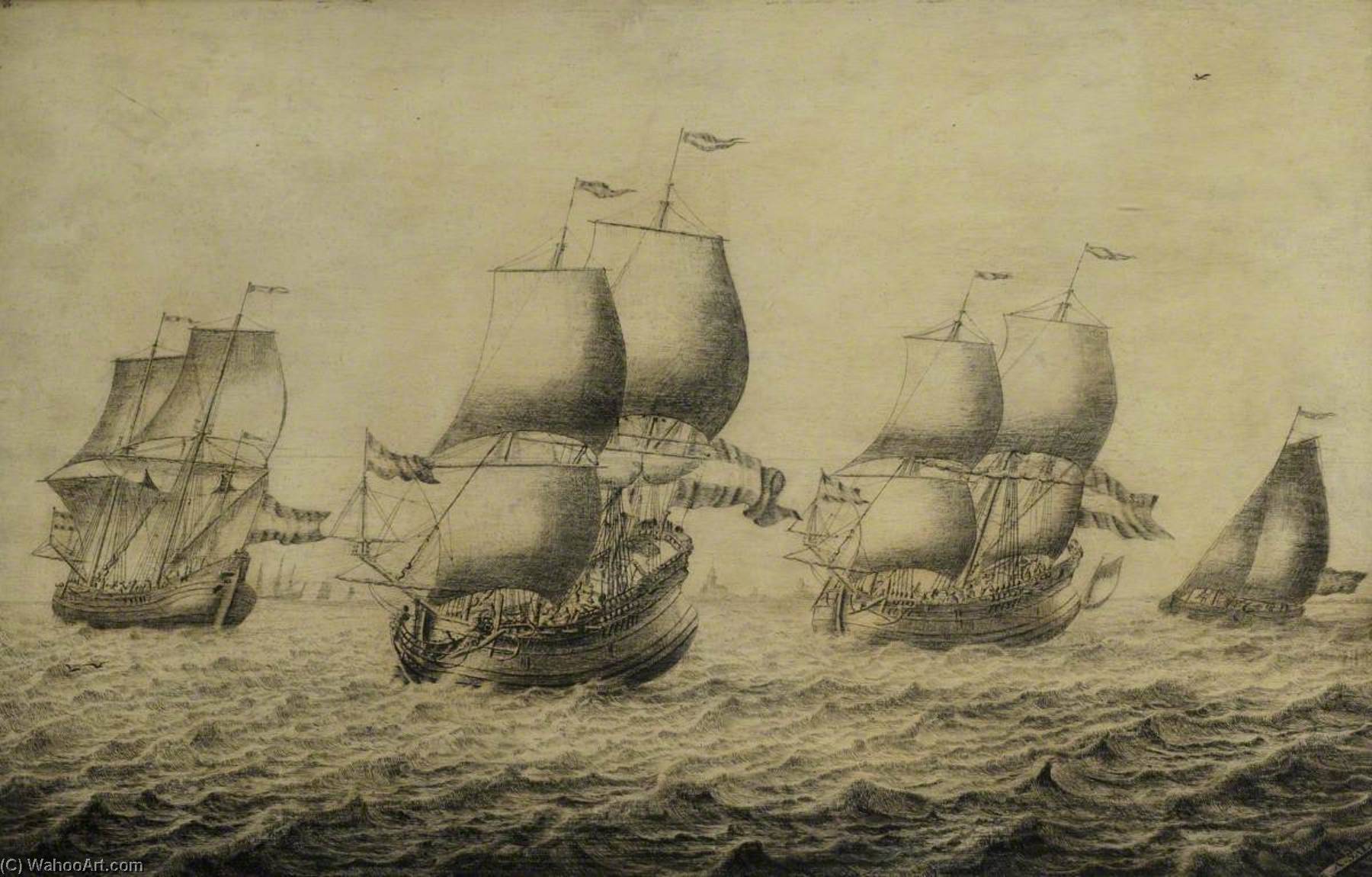
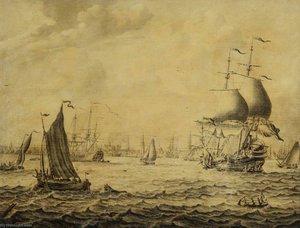
A Fleet of Whalers
 1710
1710 28.0 x 40.0 cm
 Weiterlesen
Handgefertigte Ölreproduktion
Handgemaltes Ölgemälde auf Leinwand in Ihrer Wunschgröße und mit Rahmen, auf Bestellung von unseren Künstlern angefertigt. ( Druck bestellen Bild kaufen)




































Wählen Sie aus unseren vordefinierten Formaten, die den ursprünglichen Proportionen des Kunstwerks entsprechen.

Sie können Ihre eigenen Maße eingeben, um einen bestimmten Rahmen oder Platz auszufüllen. Wenn die gewählte Größe nicht den Proportionen des Originalbildes entspricht, werden wir das Kunstwerk entweder beschneiden oder das Gemälde durch zusätzliche, handgemalte Elemente erweitern. Ein digitales Mockup wird Ihnen zur Genehmigung zugesandt, bevor die Produktion beginnt.
Bitte beachten Sie, dass die Bildschirmvorschau nicht die tatsächliche Beschneidung oder Erweiterung widerspiegelt. Nur das Mockup zeigt die endgültige Komposition exakt an.
Obwohl Sondermaße verfügbar sind, empfehlen wir, eine Größe aus der vordefinierten Liste zu wählen, um die ursprünglichen Proportionen beizubehalten.
Nach der Bestellung wird das ArtsDot.com-Team dem Kunden Anweisungen per E-Mail zusenden und eine Mockup-Vorschau bereitstellen.
Weltweiter Versand () in nur 3 bis 4 Wochen statt der üblichen 5 Wochen. (21 August). Keine Kompromisse bei der Qualität.

Kostenloser weltweiter Expressversand

Hochwertige Leinenleinwand

Umfassender Versicherungsschutz beim Versand

Zollgebühren-Rückerstattungsgarantie

Garantie für exakte Farbtreue

60 Tage Rückgaberecht (nur bei Mängeln)

100% Geld-zurück-Garantie

Mengenrabatt verfügbar
 Die Glasoption ist nur für Größen unter 110 cm verfügbar.

A Fleet of Whalers
Art der Reproduktion
Format der Reproduktion
-


Gesamtpreis
$ 263
Beschreibung des Kunstwerks
Historical Context
The A Fleet of Whalers painting depicts a scene of Dutch whalers in the Arctic waters, showcasing their expertise in pelagic whaling or sea fishing. The broad sky, filled with impalpable patches of clouds, dominates the composition, while the sea gently ripples beneath several exquisitely rendered sailing vessels. This piece is a testament to the prosperity of the Dutch whaling industry during that era.Artistic Technique
Adriaen Van Salm was a specialist in penschilderij, a technique of drawing onto a prepared oil ground using a reed pen and Indian ink. This method allowed for highly detailed and refined images, often depicting shipping, whaling, and winter scenes. The artist's aptitude for this technique has drawn comparisons with Willem van de Velde the Elder, who was likely the inventor of this particular method.Relevance to https://ArtsDot.com
As a salesman for https://ArtsDot.com, I can offer hand-made oil painting reproductions of A Fleet of Whalers and other notable artworks. Our team of skilled artists uses high-quality materials to create accurate and beautiful reproductions, perfect for art enthusiasts and collectors. For more information on our available paintings, please visit /art/list/?Filter=AS7SBT-Adriaen-Van-Salm-A-Fleet-of-Whalers.Some notable works by Adriaen Van Salm include: These paintings showcase the artist's expertise in capturing the essence of maritime life and the Dutch whaling industry during the 18th century.
Ähnliche Kunstwerke







Über den Künstler
Adriaen van Salm: Master of the Stormy Sea
Adriaen van Salm (c. 1660 – 1720), a name perhaps less familiar than those of his Golden Age contemporaries, nevertheless stands as a pivotal figure in Dutch maritime art. Born in Delfshaven, a bustling port district of Rotterdam, he inherited a legacy of seafaring and artistic talent that would define his career. While overshadowed by the more celebrated Willem van de Velde the Elder, Salm carved out a unique niche, becoming renowned for his meticulously rendered depictions of naval battles, merchant ships, and the dramatic interplay between man and sea – scenes brimming with both power and vulnerability.
Salm’s early life offers little in the way of detailed biographical information. He was the son of Cornelis van der Salm, a shipbuilder, and his father instilled in him a deep appreciation for maritime craft and the rhythms of the ocean. Crucially, he became the teacher and mentor to his own son, Roelof van Salm, who continued the family’s artistic tradition, employing the same distinctive pen-and-ink technique that characterized their work. This familial connection suggests a deliberate transmission of skill and aesthetic sensibilities – a lineage dedicated to capturing the essence of the Dutch maritime world.
The Technique of Pen and Ink
What immediately distinguishes Salm’s art is his masterful use of pen and ink. Unlike many of his contemporaries who favored oil paints, Salm primarily worked in monochrome, utilizing a combination of fine lines, hatching, and cross-hatching to create astonishingly detailed and atmospheric images. He often employed a cloth or pre-processed panel as his support, allowing the ink to bleed and spread subtly, mimicking the textures of water, wood, and fabric. This technique wasn’t merely a stylistic choice; it was integral to conveying the dynamism and immediacy of his subjects.
The meticulous detail evident in Salm's work—the rigging of a ship, the spray of waves, the faces of sailors—demands considerable patience and skill. He meticulously rendered every element, creating an illusion of depth and movement that belies the simplicity of his medium. This dedication to realism was further enhanced by his ability to capture fleeting moments – the cresting wave, the flash of a cannonball, the desperate struggle for survival on deck.
Naval Battles and Coastal Scenes
Salm’s most celebrated works depict naval engagements—often dramatic clashes between Dutch warships and their adversaries. These scenes are not simply records of battles; they are imbued with a sense of chaos, heroism, and the brutal realities of maritime warfare. He skillfully rendered the swirling water, billowing sails, and splintering wood, conveying the overwhelming power of the sea and the vulnerability of those caught in its fury. His depictions often show the human cost of conflict – wounded sailors, shattered masts, and the wreckage of ships.
However, Salm’s oeuvre extends beyond purely martial subjects. He also produced a significant body of work depicting coastal scenes—harbors bustling with activity, fishing boats returning to shore, and the everyday lives of those who depended on the sea for their livelihood. These works offer a more intimate glimpse into the maritime world, revealing a nuanced understanding of Dutch society and its connection to the ocean.
Historical Significance and Legacy
Despite his relative obscurity during his lifetime, Adriaen van Salm’s work has gained increasing recognition in recent decades. His meticulous detail, dramatic compositions, and masterful use of pen and ink have earned him a place among the most important figures in Dutch maritime art. He stands as a testament to the power of observation and technical skill—a master who transformed humble materials into breathtakingly evocative images of the sea.
His influence can be seen in the work of subsequent generations of artists, particularly those interested in depicting naval scenes. Furthermore, his dedication to capturing the essence of maritime life provides a valuable historical record, offering insights into the daily lives and challenges faced by sailors and coastal communities during the 17th and 18th centuries. Adriaen van Salm’s legacy endures as a reminder of the enduring fascination with the sea—a subject that continues to inspire artists and captivate audiences today.
adriaen van salm
1660 - 1720
Kurzinfos
- Artistic Movement Or Style: Marine art (pen & ink)
- Artists Or Movements Influenced By This Artist: ['Roelof van Salm']
- Artists Who Influenced This Artist:
- Willem van de Velde the Elder
- Abraham Jacob van der Aa
- Date Of Birth: c.1660
- Date Of Death: 1720
- Full Name: Adriaen van Salm
- Nationality: Dutch
- Notable Artworks:
- Shipping on a stormy sea
- Stormy Sea with Ships
- Place Of Birth: Delfshaven, Netherlands

