 Vorschau anzeigen
 Versenden
 Teilen
 Details anzeigen

 Herunterladen
 Ähnliche Objekte
 Röntgenaufnahme
 Diashow
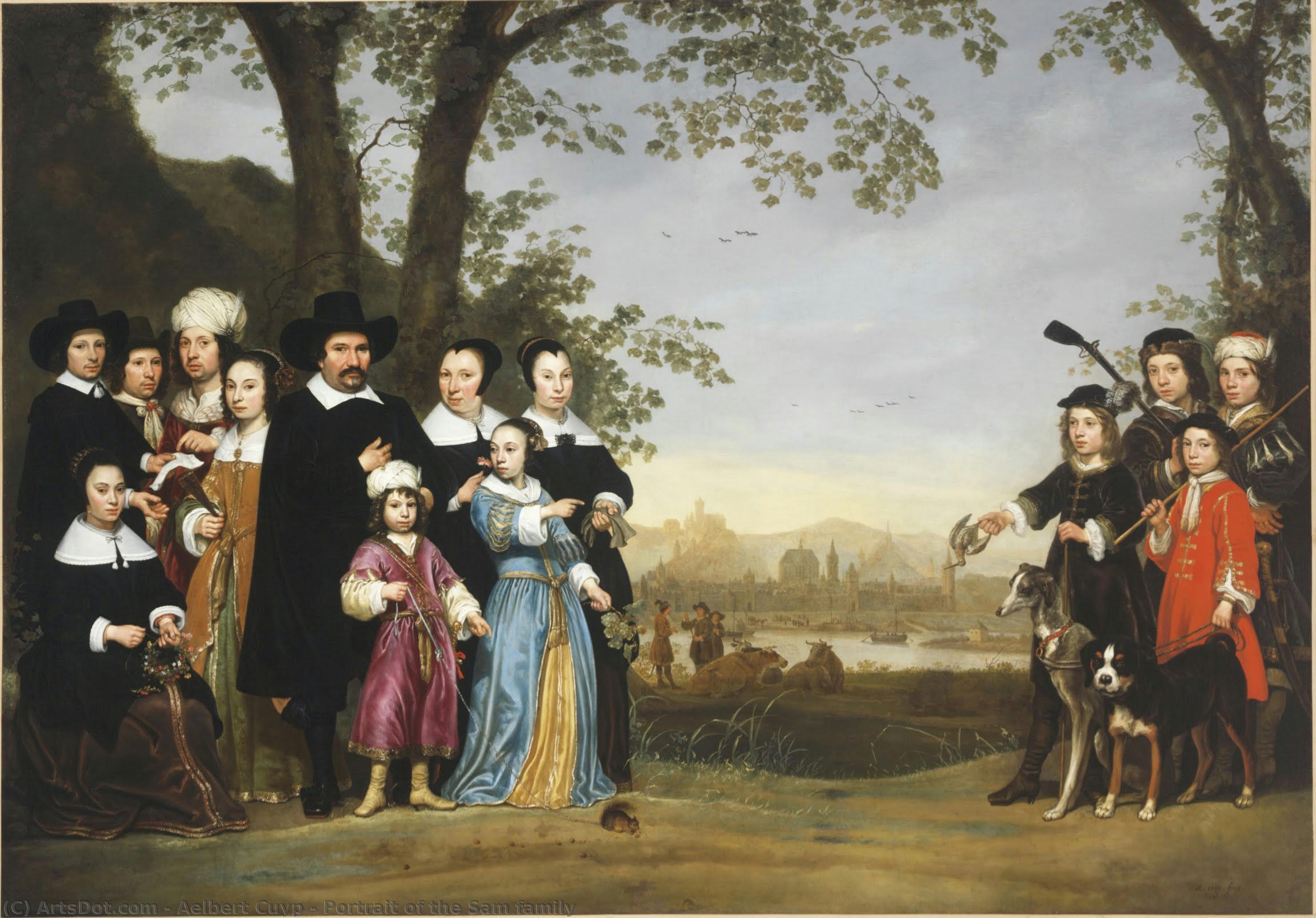
Portrait of the Sam family
 Oil On Canvas
- WallArt
- Dutch Golden Age
 1653
1653- Early Modern
 168.0 x 240.0 cm
 Museum of Fine Arts (Budapest)
 Weiterlesen
Handgefertigte Ölreproduktion
Handgemaltes Ölgemälde auf Leinwand in Ihrer Wunschgröße und mit Rahmen, auf Bestellung von unseren Künstlern angefertigt. ( Druck bestellen Bild kaufen)




P118B $10

P118H $10

P118W $10

P438Z $10

P508JH $12

P508YH $12

P805H $10

P805Z $10

P919BZ $10

P919G $10

P919XJ $10

P959ZH $10

P968JZ $12

W106C $8

W218G $10

W218JH $8

W218Y $10

W307PJ $10

W316G $10

W316PJ $8

W316Y $10

W398PJ $8

W4111J $10

W500HY $15

W500JH $15

W692G $12

W849H $8

W940BG $15

W953PJ $8




Wählen Sie aus unseren vordefinierten Formaten, die den ursprünglichen Proportionen des Kunstwerks entsprechen.

Sie können Ihre eigenen Maße eingeben, um einen bestimmten Rahmen oder Platz auszufüllen. Wenn die gewählte Größe nicht den Proportionen des Originalbildes entspricht, werden wir das Kunstwerk entweder beschneiden oder das Gemälde durch zusätzliche, handgemalte Elemente erweitern. Ein digitales Mockup wird Ihnen zur Genehmigung zugesandt, bevor die Produktion beginnt.
Bitte beachten Sie, dass die Bildschirmvorschau nicht die tatsächliche Beschneidung oder Erweiterung widerspiegelt. Nur das Mockup zeigt die endgültige Komposition exakt an.
Obwohl Sondermaße verfügbar sind, empfehlen wir, eine Größe aus der vordefinierten Liste zu wählen, um die ursprünglichen Proportionen beizubehalten.
Nach der Bestellung wird das ArtsDot.com-Team dem Kunden Anweisungen per E-Mail zusenden und eine Mockup-Vorschau bereitstellen.
Weltweiter Versand () in nur 3 bis 4 Wochen statt der üblichen 5 Wochen. (22 August). Keine Kompromisse bei der Qualität.

Kostenloser weltweiter Expressversand

Hochwertige Leinenleinwand

Umfassender Versicherungsschutz beim Versand

Zollgebühren-Rückerstattungsgarantie

Garantie für exakte Farbtreue

60 Tage Rückgaberecht (nur bei Mängeln)

100% Geld-zurück-Garantie

Mengenrabatt verfügbar
 Die Glasoption ist nur für Größen unter 110 cm verfügbar.

Portrait of the Sam family
Art der Reproduktion
Format der Reproduktion
-


Gesamtpreis
$ 438
Beschreibung des Kunstwerks
A Golden Moment in Dutch History
In the vast tapestry of the Dutch Golden Age, few works capture the quiet dignity and burgeoning prosperity of the seventeenth century as intimately as Aelbert Jacobszoon Cuyp’s "Portrait of the Sam family." Painted in 1653, this large-scale oil masterpiece serves as more than a mere record of lineage; it is a window into a world where familial bonds and national identity were inextricably linked. As we gaze upon this composition, we are transported to a serene riverside setting, where the soft, diffused light of a Dutch afternoon bathes a group of figures who seem to exist in a state of eternal, tranquil grace. The painting masterfully balances the formal requirements of high-society portraiture with an atmospheric tenderness that is uniquely Cuyp’s hallmark.
The arrangement of the Sam family is nothing short of theatrical yet remains profoundly naturalistic. Positioned in a gentle semi-circle, the figures are anchored by a central patriarch, whose commanding presence is flanked by his wife and children. There is a palpable sense of connection within the group, an intimacy that transcends the stiff formality often found in contemporary portraits. The attire of the subjects speaks volumes of their social standing; the men are draped in elaborate fur hats and heavy, textured coats that suggest wealth and mercantile success, while the woman’s richly colored dress provides a vibrant focal point amidst the more muted tones of the landscape. Even the inclusion of a small dog near the feet of the family adds a layer of warmth, symbolizing the enduring themes of loyalty and domestic companionship.
Mastery of Light and Landscape
Technically, the work is a triumph of chiaroscuro and atmospheric perspective. Cuyp, who was heavily influenced by the luminous styles of Jan van Goyen and the tonal mastery of artists like Jan Both, utilizes a palette dominated by earthy browns, deep greens, and soft grays. However, it is his ability to manipulate light that truly elevates the piece. The sunlight does not merely illuminate the subjects; it seems to permeate the very air around them, creating a golden glow that softens the edges of the distant trees and the far-off cityscape. This technique creates a shallow yet deeply immersive perspective, placing the viewer in immediate proximity to the family while simultaneously inviting them to wander through the lush, riverine backdrop.
The brushwork is a sophisticated blend of precision and fluidity. While the fine details of the lace, fur, and skin are rendered with meticulous care to satisfy the era's demand for realism, there is an underlying looseness in the rendering of the foliage and the water that lends the painting its characteristic movement. This interplay between the structured human forms and the organic, flowing landscape creates a harmonious tension, suggesting that while the family is a product of their environment, they also stand as masters over it. For the discerning collector or interior designer, this painting offers a profound sense of stability and timelessness, making it an exquisite centerpiece for any space that seeks to evoke elegance, heritage, and a connection to the natural world.
Ähnliche Kunstwerke
Über den Künstler
Aelbert Jacobszoon Cuyp (1620 – 1695): The Poet of Light
Aelbert Jacobszoon Cuyp, a cornerstone of the Dutch Golden Age, stands as one of the most celebrated landscape painters of his era. Born in Dordrecht, Netherlands, on October 20, 1620, he descended from a family steeped in artistic tradition—his father, Jacob Gerritszoon Cuyp, was himself a respected portraitist—a lineage that profoundly shaped his formative years and instilled within him an unwavering dedication to capturing the sublime beauty of the natural world. His early training under his father’s guidance established a bedrock of technical skill and fostered a distinctive artistic sensibility that would define his entire oeuvre.A Style Born of Convergence
Cuyp's artistic style is remarkably complex, reflecting the confluence of influences from several prominent artists. Like Jan van Goyen—whose mastery of atmospheric perspective profoundly impacted Cuyp’s approach—he prioritized conveying the ethereal quality of dawn and dusk. Simultaneously, Jacob Gerritsz Cuyp (his father) instilled in him a meticulous attention to form and detail, mirroring the stylistic rigor championed by Rembrandt van Rijn. This harmonious blend resulted in Cuyp's signature landscapes: expansive vistas bathed in golden light, imbued with an almost palpable sense of serenity and tranquility. These scenes weren’t merely depictions of scenery; they were meditations on light itself—a cornerstone of Baroque painting—and a testament to Cuyp’s profound understanding of visual perception.Notable Works and Artistic Evolution
Cuyp's artistic journey unfolded across three distinct phases, each characterized by subtle stylistic refinements. His initial works showcased the influence of Jan van Goyen, prioritizing luminous hues and hazy atmospheric effects. As he matured, however, he embraced the more sculptural approach advocated by Jacob Gerritsz Cuyp, emphasizing precise delineation of contours and textural detail. Finally, around 1663, he moved into a house in Dordwijck where he spent his remaining years, absorbing inspiration from Jan Both—whose masterful use of color and chiaroscuro elevated Cuyp’s artistic ambitions. Among his most enduring masterpieces are *Cows in a River* (circa 1655-60), a quintessential example of his early style, and *A Herdsman with Five Cows*, which exemplifies the meticulous form and atmospheric depth characteristic of his later period. These paintings continue to captivate viewers today with their evocative portrayal of rural life and Cuyp’s unparalleled ability to translate light into emotion.Legacy and Historical Significance
Cuyp's contribution to Dutch art history transcends mere stylistic innovation; he embodies the spirit of the Golden Age itself—a period marked by intellectual curiosity, artistic experimentation, and a fervent appreciation for beauty. Unlike many of his contemporaries who pursued grand narratives or mythological themes, Cuyp focused on capturing the quiet grandeur of the Netherlands’ landscapes, offering viewers a glimpse into a world untouched by turbulent political upheaval. His unwavering devotion to Calvinist principles—evident in his modest home furnishings—further underscores his humanist values and distinguishes him as an artist deeply rooted in moral contemplation. Aelbert Jacobszoon Cuyp remains not only a celebrated painter but also a symbol of artistic integrity and the enduring power of observation—a legacy that continues to inspire artists and scholars alike.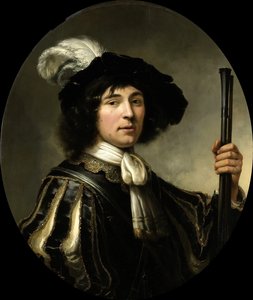
Aelbert Jacobsz Cuyp
1620 - 1695 , Niederlande
Kurzinfos
- Artistic Movement Or Style: Barockkunst
- Artists Or Movements Influenced By This Artist: ['Rembrandt van Rijn']
- Artists Who Influenced This Artist:
- Jan van Goyen
- Jacob Gerritsz Cuyp
- Date Of Birth: 20. Oktober 1620
- Date Of Death: 15. November 1691
- Full Name: Aelbert Jacobszoon Cuyp
- Nationality: Niederlande
- Notable Artworks:
- Cowen Landschaft mit Figuren
- Ein Hirte mit fünf Kühen
- Place Of Birth: Dordrecht, Niederlande
Ähnliche Artikel
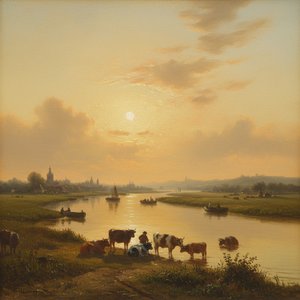
Aelbert Cuyp: Illuminating the Dutch Golden Age with Light & Landscape
Explore the luminous landscapes of Aelbert Cuyp, a master of the Dutch Golden Age. Discover his unique light, serene riverside scenes & lasting influence on art history. Learn more at ArtsDot.
Golden Light & Dutch Skies: Bringing the Magic of Dutch Golden Age Landscapes into Your Home
Transform your home with the breathtaking light of Dutch Golden Age landscapes. Discover how hand-painted oil reproductions of masterworks like Ruisdael and Vermeer bring timeless elegance, atmosphere, and soulful texture to modern interiors. Elevate your space with museum-quality art.
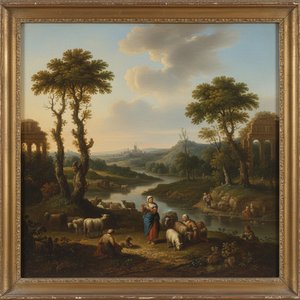
Nicolaes Berchem und das Goldene Zeitalter: Pastoralismus, Idealisierung & Künstlerische Innovation
Entdecken Sie die faszinierende Welt von Nicolaes Berchem und das Goldene Zeitalter der niederländischen Landschaftsmalerei. Expertenanalyse, Hintergrundinformationen & künstlerische Innovationen.
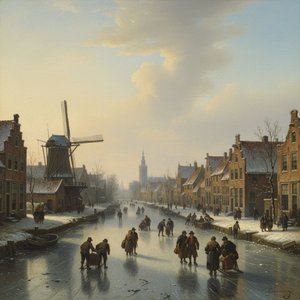
Charles Leickert: Capturing the Dutch Golden Age Light – A Comprehensive Study of Technique, Context, and Legacy
Explore the captivating winter landscapes of Charles Leickert, a master of Dutch Golden Age light & atmosphere. Discover his techniques, symbolism, and lasting legacy – a comprehensive study for art enthusiasts and collectors.

Die 10 Meisterwerke des Goldenen Zeitalters der niederländischen Malerei |
Entdecken Sie die 10 Meisterwerke des Niederländischen Goldenen Zeitalters! Von Rembrandt bis Vermeer – erleben Sie Kunstgeschichte, Techniken & Emotionen. Hochwertige Gemäldereproduktionen für Ihr Zuhause auf .