

 Vorschau anzeigen
 Versenden
 Teilen
 Details anzeigen

 Herunterladen
 Ähnliche Objekte
 Röntgenaufnahme
 Diashow
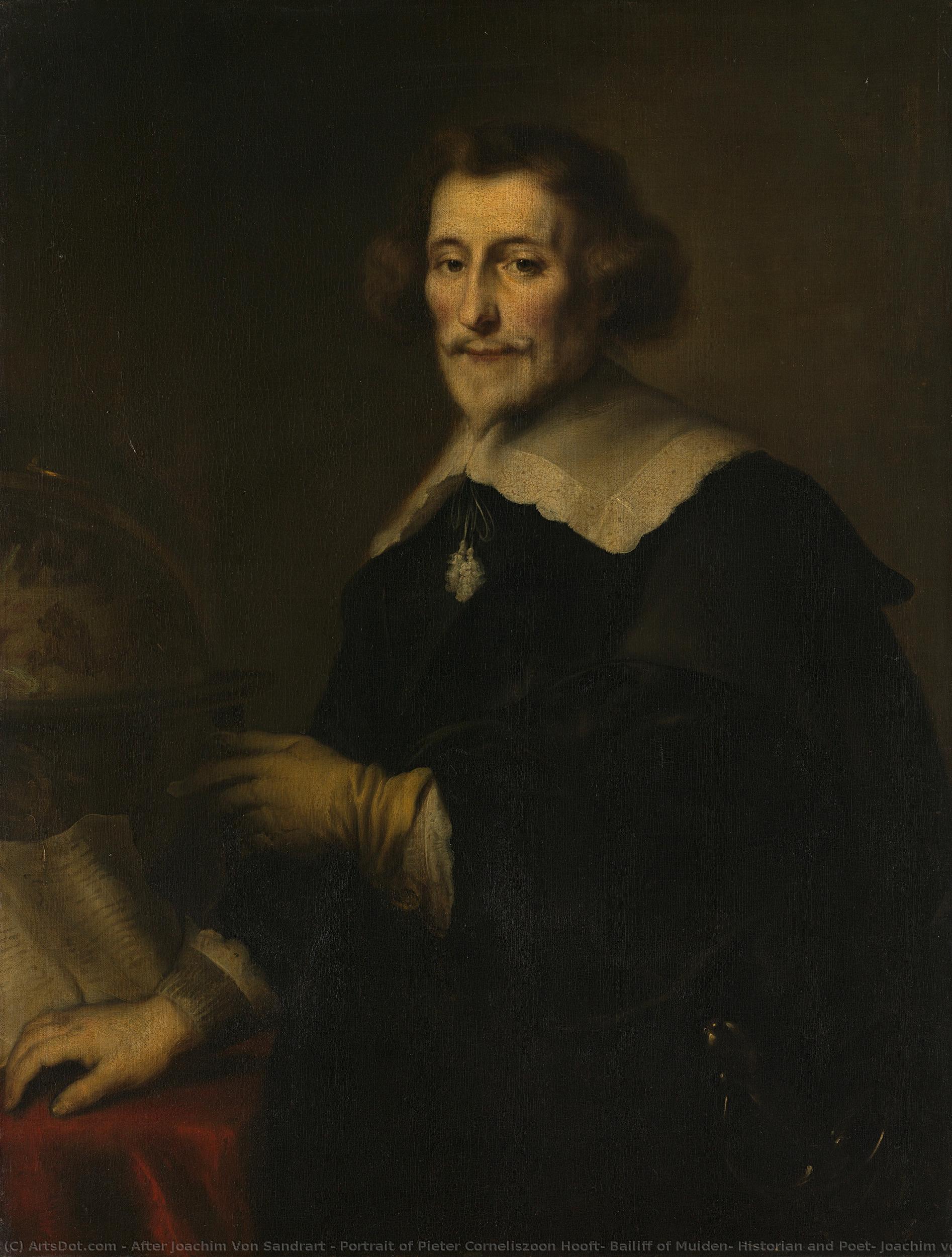
Portrait of Pieter Corneliszoon Hooft, Bailiff of Muiden, Historian and Poet, Joachim von Sandrart (I) (copy after), 1630 - 1700


 Weiterlesen
Erwerben Sie ein hochauflösendes, optimiertes digitales Bild, das der Online-Vorschau weit überlegen ist.
Jede Datei wird von unseren hauseigenen Spezialisten mit modernsten Werkzeugen und fachmännischer manueller Retusche sorgfältig vorbereitet. Wir stellen sicher, dass jedes Bild eine außergewöhnliche Klarheit, präzise Farbgenauigkeit und feinste Details aufweist.
Die endgültige Datei wird innerhalb von 72 Stunden per E-Mail zugestellt und ist für den sofortigen Einsatz in professionellen, redaktionellen und Druckumgebungen optimiert. Es handelt sich um dieselbe Qualität, der führende Designstudios, Verlage und Galerien vertrauen.
Digitales Bild
Laden Sie eine hochauflösende Datei für die persönliche Präsentation, den Druck und kreative Projekte herunter. ( Druck bestellen Handgemalte Reproduktion bestellen)
In jeder Bestellung digitaler Bilder enthalten
Professionelle digitale Bereitstellung, garantiert
Wenn Sie sich für ArtsDot.com entscheiden, erhalten Sie nicht nur ein Bild – Sie erhalten ein professionell aufbereitetes digitales Kunstwerk, das mit höchster Präzision erstellt und durch eine Zufriedenheitsgarantie abgesichert wird. Hier ist alles, was automatisch mit Ihrer Bestellung geliefert wird:

Schnelle E-Mail-Zustellung
Ihre hochauflösende digitale Bilddatei wird Ihnen innerhalb von 72 Stunden nach der Bestellung per E-Mail zugestellt – bereit zur sofortigen Verwendung.

KI-optimierte digitale Datei
Ihre Kunstwerke werden professionell mithilfe fortschrittlicher KI-Tools und manueller Bearbeitung optimiert, um maximale Detailtreue, Klarheit und Farbgenauigkeit zu gewährleisten.

Lebenslanger kostenloser Neudruckservice
Datei versehentlich gelöscht oder verloren? Keine Sorge – wir senden sie Ihnen jederzeit kostenlos erneut zu.

Keine Einfuhrgebühren – jemals
Genießen Sie Ihr Kunstwerk sofort ohne Zollgebühren, Einfuhrabgaben oder Versandkosten – digitale Downloads sind immer steuerfrei.

Garantierte Farbtreue
Wir garantieren, dass Ihr digitales Bild mithilfe professioneller Werkzeuge und Farbmanagement die Originalfarben so präzise wie möglich wiedergibt.

60-Tage-Zufriedenheitsgarantie
Sollten Sie mit Ihrem digitalen Bild nicht zufrieden sein, werden wir es überarbeiten oder Ihnen innerhalb von 60 Tagen 100% erstatten – ohne Wenn und Aber.

100% Geld-zurück-Garantie
Nicht zufrieden? Erhalten Sie innerhalb von 60 Tagen nach Erhalt Ihrer digitalen Datei eine vollständige Rückerstattung – ohne Angabe von Gründen.

Rabatte bei Großbestellungen
3 Bilder kaufen, 10% sparen – 5 Bilder kaufen, 15% sparen – Ab 10 Bildern 20% sparen. Ideal für kreative Projekte, Galerien und Agenturen.
Ähnliche Kunstwerke
Biografie des Künstlers
The Wanderlust of a Baroque Polymath
The life of Joachim von Sandrart was defined by an insatiable curiosity and a restless spirit that mirrored the expansive, transformative energy of the Baroque era. Born in Frankfurt am Main in 1606, Sandrart’s early years were marked by a profound thirst for knowledge that transcended the boundaries of his upbringing. While his family roots traced back to Mons and Bergen, it was his personal journey—a literal and metaphorical pilgrimage through the heart of Europe—that would shape him into one of the most significant figures of the seventeenth century. Driven by an adolescent passion for the intricacies of engraving, he famously walked from Frankfurt to Prague to study under the master Aegidius Sadeler. This early determination set the stage for a life spent traversing the great artistic hubs of Europe, from the bustling streets of Amsterdam to the sun-drenched landscapes of Italy.
His development as an artist was a tapestry woven from the influences of the greatest masters of his age. After honing his skills in Prague, Sandrart moved to Utrecht in 1625, where he entered the studio of Gerrit van Honthorst. It was through this prestigious mentorship that Sandrart’s world expanded even further; he found himself in the presence of none other than Peter Paul Rubens during the master's visit to Honthorst in 1627. This encounter, occurring while Rubens was recruiting talent for his monumental Marie de' Medici cycle, likely left an indelible mark on Sandrart’s understanding of scale, drama, and the grand narrative style of the Flemish Baroque. His subsequent travels took him to London, where he worked alongside Honthorst, meticulously copying Holbein portraits for the Earl of Arundel—a task that deepened his technical precision and fueled his burgeoning interest in the lives and legacies of the artists he encountered.
A Journey Through the Italian Renaissance and Beyond
The true metamorphosis of Sandrart’s intellect occurred during his grand tour of Italy, a period of profound discovery that would provide the raw material for his greatest literary achievement. Setting sail from London to Venice in 1627, he entered a vibrant community of expatriate artists, finding kinship with figures such as Jan Lis and Nicolao Renier. His travels were not merely academic but deeply experiential; he moved through Bologna, meeting his cousin Michael Le Blond, and ventured into the heart of Florence and Rome. In the shadow of the masters, Sandrart absorbed the classical ideals and the dramatic chiaroscuro that defined the Italian tradition. His explorations even led him to Naples, where he captured studies of Mount Vesuvius, imbuing his work with a sense of the sublime and the elemental power of nature.
As an artist, Sandrart gained renown primarily as a portrait painter, a genre that allowed him to capture the psychological depth and social prestige of his subjects. His ability to render the textures of fabric, the warmth of skin, and the character of the sitter reflected the sophisticated techniques he had gathered from the Dutch and Italian schools. However, his legacy is not confined solely to the canvas. He possessed a rare ability to look backward through history even as he lived through a period of rapid artistic evolution.
The Architect of Art History
While his paintings remain significant, Sandrart’s most enduring contribution to the world of art is his monumental work as an art historian. His magnum opus, Teutsche Academie, published between 1675 and 1680, stands as a cornerstone of European art historiography. In this ambitious collection of biographies, Sandrart meticulously documented the lives and contributions of Dutch and German artists, providing a vital record of the Golden Age. This work was more than a mere directory; it was an attempt to codify the artistic identity of Northern Europe, elevating the status of local masters to the level of the great Italian legends.
The historical significance of Sandrart cannot be overstated. He acted as a bridge between the era of the great masters like Rubens and the subsequent generations of scholars and painters. Through his writings, he preserved the oral traditions, studio practices, and personal anecdotes that might otherwise have been lost to time. His life remains a testament to the interconnectedness of the Baroque world—a period where an artist could be a student in Prague, a collaborator in London, a traveler in Naples, and ultimately, the definitive voice of his nation's artistic heritage.
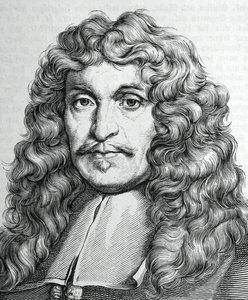
after joachim von sandrart
1606 - 1688

