

 Vorschau anzeigen
 Versenden
 Teilen
 Details anzeigen

 Herunterladen
 Ähnliche Objekte
 Röntgenaufnahme
 Diashow
 Stats
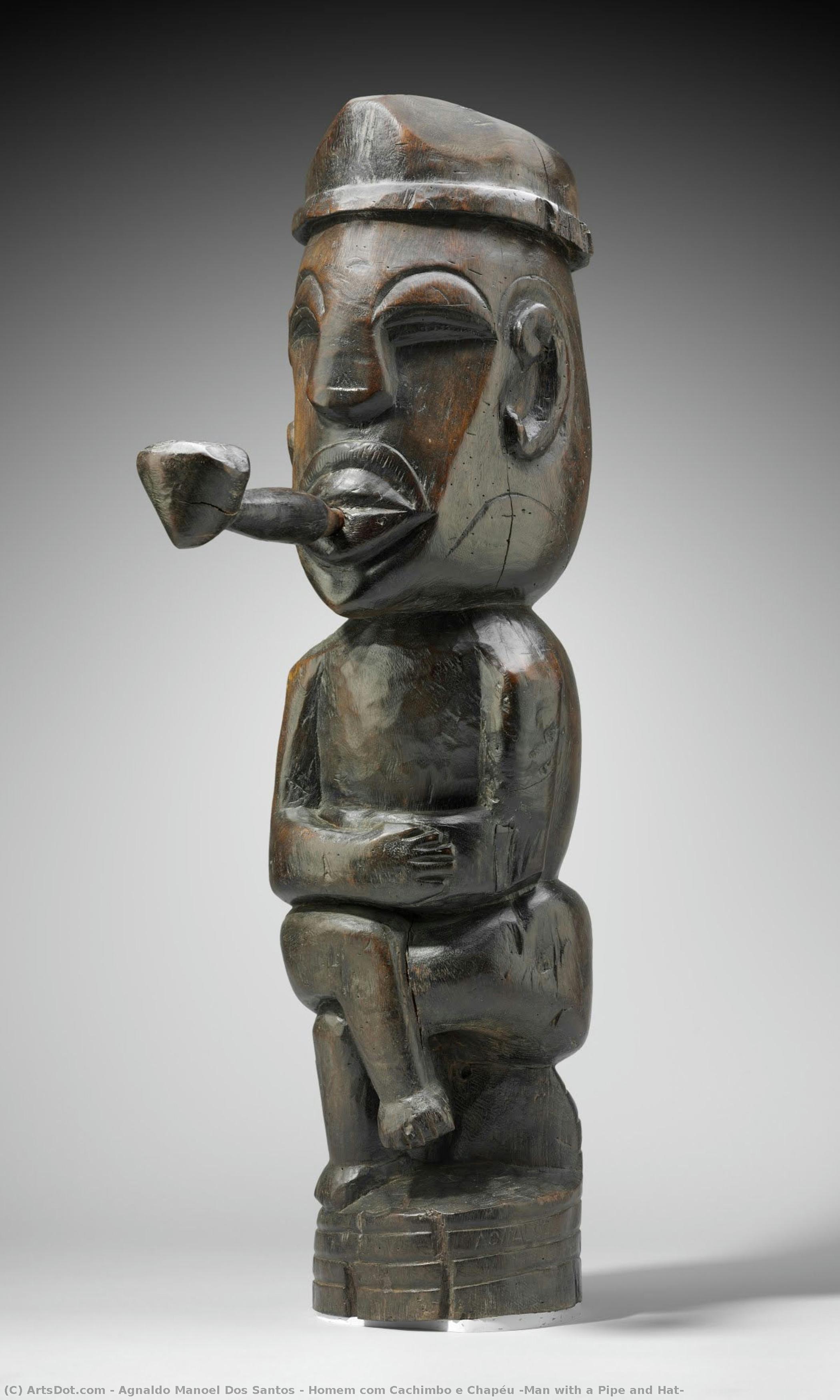
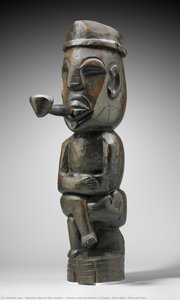
StatsHomem com Cachimbo e Chapéu (Man with a Pipe and Hat)


 Weiterlesen
Erwerben Sie ein hochauflösendes, optimiertes digitales Bild, das der Online-Vorschau weit überlegen ist.
Jede Datei wird von unseren hauseigenen Spezialisten mit modernsten Werkzeugen und fachmännischer manueller Retusche sorgfältig vorbereitet. Wir stellen sicher, dass jedes Bild eine außergewöhnliche Klarheit, präzise Farbgenauigkeit und feinste Details aufweist.
Die endgültige Datei wird innerhalb von 72 Stunden per E-Mail zugestellt und ist für den sofortigen Einsatz in professionellen, redaktionellen und Druckumgebungen optimiert. Es handelt sich um dieselbe Qualität, der führende Designstudios, Verlage und Galerien vertrauen.
Digitales Bild
Laden Sie eine hochauflösende Datei für die persönliche Präsentation, den Druck und kreative Projekte herunter. ( Switch to Print Handgemalte Reproduktion bestellen)
In jeder Bestellung digitaler Bilder enthalten
Professionelle digitale Bereitstellung, garantiert
Wenn Sie sich für ArtsDot.com entscheiden, erhalten Sie nicht nur ein Bild – Sie erhalten ein professionell aufbereitetes digitales Kunstwerk, das mit höchster Präzision erstellt und durch eine Zufriedenheitsgarantie abgesichert wird. Hier ist alles, was automatisch mit Ihrer Bestellung geliefert wird:

Schnelle E-Mail-Zustellung
Ihre hochauflösende digitale Bilddatei wird Ihnen innerhalb von 72 Stunden nach der Bestellung per E-Mail zugestellt – bereit zur sofortigen Verwendung.

KI-optimierte digitale Datei
Ihre Kunstwerke werden professionell mithilfe fortschrittlicher KI-Tools und manueller Bearbeitung optimiert, um maximale Detailtreue, Klarheit und Farbgenauigkeit zu gewährleisten.

Lebenslanger kostenloser Neudruckservice
Datei versehentlich gelöscht oder verloren? Keine Sorge – wir senden sie Ihnen jederzeit kostenlos erneut zu.

Keine Einfuhrgebühren – jemals
Genießen Sie Ihr Kunstwerk sofort ohne Zollgebühren, Einfuhrabgaben oder Versandkosten – digitale Downloads sind immer steuerfrei.

Garantierte Farbtreue
Wir garantieren, dass Ihr digitales Bild mithilfe professioneller Werkzeuge und Farbmanagement die Originalfarben so präzise wie möglich wiedergibt.

100-Tage-Zufriedenheitsgarantie
Wenn Sie mit Ihrem digitalen Bild nicht zufrieden sind, werden wir es überarbeiten oder 100% innerhalb von 100 Tagen erstatten – ohne Wenn und Aber.

100% Geld-zurück-Garantie
Nicht zufrieden? Erhalten Sie innerhalb von 100 Tagen nach Erhalt Ihrer digitalen Datei eine vollständige Rückerstattung – ohne Wenn und Aber.

Rabatte bei Großbestellungen
3 Bilder kaufen, 10% sparen – 5 Bilder kaufen, 15% sparen – Ab 10 Bildern 20% sparen. Ideal für kreative Projekte, Galerien und Agenturen.
Ähnliche Kunstwerke
Biografie des Künstlers
A Life Carved in Wood: The Story of Agnaldo Manoel dos Santos
Agnaldo Manoel dos Santos, born on the idyllic island of Itaparica, Bahia, Brazil, in 1926, emerged as a profoundly original voice within Brazilian sculpture. His life, though tragically cut short in 1962, left an indelible mark on the nation’s artistic landscape. He wasn't formally trained in the traditional sense; his education was rooted in the rich cultural soil of Bahia – a place where African heritage intertwined with Catholicism and everyday life to create a unique aesthetic sensibility. Initially working as a studio assistant for Mário Cravo Neto, he quickly demonstrated an innate talent for woodworking, moving beyond mere assistance to forge his own distinct path. This early exposure provided a crucial foundation, but it was Santos’s deep connection to the folklore, religious beliefs, and lived experiences of his community that truly fueled his artistic vision. His biography is often described as having gaps, yet within those silences lies the power of an artist deeply embedded in a world he didn't need academic validation to understand.The Language of Form: Influences and Development
Santos’s sculptures are not easily categorized. They resist simple labels like “primitive” or “folk art,” though they certainly draw upon these traditions. His work is best understood as a synthesis – a powerful distillation of Brazilian popular culture, African iconography, and a distinctly modern sensibility. The *carrancas*, the carved boat figureheads used in the São Francisco River region to ward off evil spirits, were a significant influence, evident in their bold forms and protective symbolism. Catholic imagery, particularly ex-votos – small devotional offerings left as thanks for prayers answered – also permeated his work, though he transformed these familiar motifs into something entirely new. He wasn’t simply replicating these objects; he was reinterpreting them through a contemporary lens, stripping away extraneous detail to reveal the essential emotional and spiritual core. This process of reduction, or subtractive carving, became a hallmark of his style. He began exhibiting in the mid-1950s, quickly gaining recognition for his unique approach. His first solo show in Rio de Janeiro in 1956 brought him wider attention, attracting critics, dealers and collectors who were captivated by the raw power and originality of his work.Themes of Faith, Identity, and the Brazilian Spirit
The themes explored in Santos’s sculptures are deeply rooted in the Brazilian experience. He often depicted figures from everyday life – men with pipes, women carrying burdens, children at play – elevating these ordinary subjects to a level of dignity and significance. His work is imbued with a sense of spirituality, but it's not necessarily tied to any specific religious dogma. Rather, it reflects a broader reverence for the human spirit and the power of belief. His sculptures are often described as embodying a uniquely “Brazilian” identity, reflecting the country’s complex history and cultural diversity. Clarival do Prado Valladares, a pioneering historian of Brazilian art, emphasized this aspect of Santos's work, highlighting his ability to synthesize different racial influences into a cohesive artistic vision. Santos wasn’t interested in creating idealized representations; he sought to capture the essence of his subjects – their strength, resilience, and humanity.Major Achievements and Recognition
Despite his premature death at the age of 36, Agnaldo Manoel dos Santos achieved significant recognition during his lifetime. He participated in the 4th São Paulo Biennial in 1957, winning the sculpture prize – a testament to the growing appreciation for his work within the art world. Posthumously, his sculptures were featured in the First World Festival of Black Arts in Dakar, where he again received acclaim and represented Brazil alongside other important artists like Heitor dos Prazeres and Rubem Valentim. His retrospective exhibition at the Pinacoteca de São Paulo in 1993, curated by Emanoel Araújo, helped to solidify his place as a major figure in Brazilian art history. The exhibition showcased the breadth of his work and highlighted his enduring influence on subsequent generations of artists.A Lasting Legacy: Santos’s Place in Art History
Agnaldo Manoel dos Santos's legacy extends far beyond his sculptures themselves. He challenged conventional notions of what constituted “art” in Brazil, paving the way for a more inclusive and diverse artistic landscape. His work continues to resonate with audiences today, offering a powerful glimpse into the soul of Brazil. He demonstrated that true artistry doesn’t require formal training or academic validation; it emerges from a deep connection to one's culture, community, and lived experience.- His sculptures are celebrated for their raw power, emotional depth, and unique aesthetic sensibility.
- Santos is considered a pivotal figure in the construction of a history of art of northeastern Brazil.
- He remains an inspiration to artists seeking to explore themes of identity, spirituality, and cultural heritage.
Agnaldo Manoel Dos Santos
1926 - 1962