 Vorschau anzeigen
 Versenden
 Teilen
 Details anzeigen

 Herunterladen
 Ähnliche Objekte
 Röntgenaufnahme
 Diashow
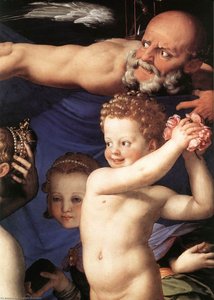
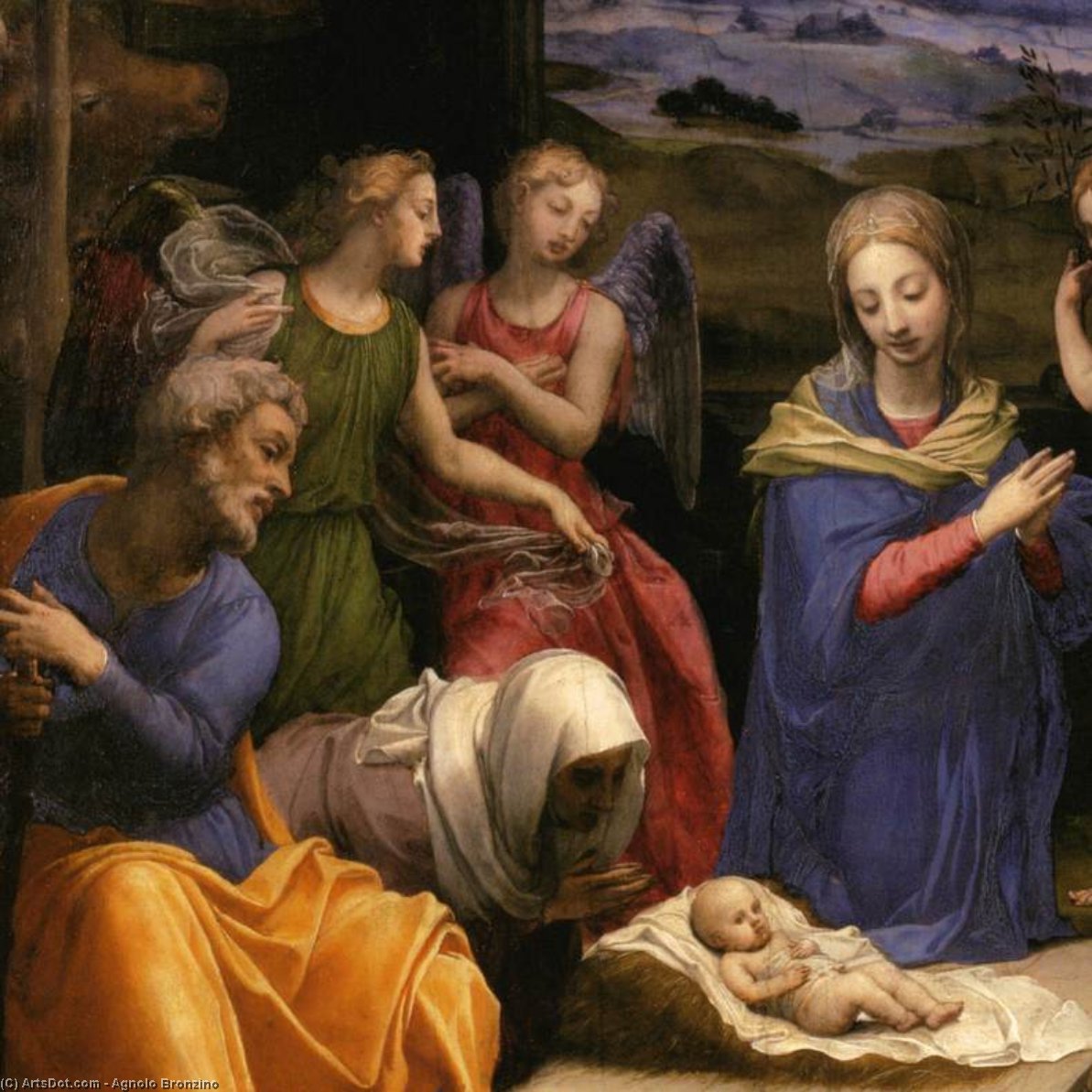
Adoration of the Shepherds (detail) (9)


 Weiterlesen
Handgefertigte Ölreproduktion
Handgemaltes Ölgemälde auf Leinwand in Ihrer Wunschgröße und mit Rahmen, auf Bestellung von unseren Künstlern angefertigt. ( Druck bestellen Bild kaufen)




P118B $10

P118H $10

P118W $10

P438Z $10

P508JH $12

P508YH $12

P805H $10

P805Z $10

P919BZ $10

P919G $10

P919XJ $10

P959ZH $10

P968JZ $12

W106C $8

W218G $10

W218JH $8

W218Y $10

W307PJ $10

W316G $10

W316PJ $8

W316Y $10

W398PJ $8

W4111J $10

W500HY $15

W500JH $15

W692G $12

W849H $8

W940BG $15

W953PJ $8




Wählen Sie aus unseren vordefinierten Formaten, die den ursprünglichen Proportionen des Kunstwerks entsprechen.

Sie können Ihre eigenen Maße eingeben, um einen bestimmten Rahmen oder Platz auszufüllen. Wenn die gewählte Größe nicht den Proportionen des Originalbildes entspricht, werden wir das Kunstwerk entweder beschneiden oder das Gemälde durch zusätzliche, handgemalte Elemente erweitern. Ein digitales Mockup wird Ihnen zur Genehmigung zugesandt, bevor die Produktion beginnt.
Bitte beachten Sie, dass die Bildschirmvorschau nicht die tatsächliche Beschneidung oder Erweiterung widerspiegelt. Nur das Mockup zeigt die endgültige Komposition exakt an.
Obwohl Sondermaße verfügbar sind, empfehlen wir, eine Größe aus der vordefinierten Liste zu wählen, um die ursprünglichen Proportionen beizubehalten.
Nach der Bestellung wird das ArtsDot.com-Team dem Kunden Anweisungen per E-Mail zusenden und eine Mockup-Vorschau bereitstellen.
Weltweiter Versand () in nur 3 bis 4 Wochen statt der üblichen 5 Wochen. (27 August). Keine Kompromisse bei der Qualität.

Kostenloser weltweiter Expressversand

Hochwertige Leinenleinwand

Umfassender Versicherungsschutz beim Versand

Zollgebühren-Rückerstattungsgarantie

Garantie für exakte Farbtreue

60 Tage Rückgaberecht (nur bei Mängeln)

100% Geld-zurück-Garantie

Mengenrabatt verfügbar
 Die Glasoption ist nur für Größen unter 110 cm verfügbar.

Adoration of the Shepherds (detail) (9)
Art der Reproduktion
Format der Reproduktion
-


Gesamtpreis
$ 263
A Glimpse into Florentine Mannerism: Agnolo Bronzino’s ‘Adoration of the Shepherds’
Agnolo Bronzino stands as a singular figure within the artistic panorama of Renaissance Florence—a testament to the subtle yet profound shift away from the exuberant optimism of his predecessors toward a more restrained, psychologically astute aesthetic. Born in 1503, he inherited not merely talent but an innate understanding of how to convey emotion through meticulous observation and masterful execution. Unlike Michelangelo’s dramatic gestures or Leonardo da Vinci's ethereal sfumato, Bronzino championed a style characterized by cool composure and crystalline clarity—a deliberate rejection of expressive fervor that nonetheless achieved remarkable depth. His formative years were spent absorbing the influences of Raffaellino del Garbo and Jacopo da Pontormo, yet he swiftly established his own distinctive path, prioritizing precision and intellectual contemplation above all else.The Composition: A Study in Controlled Elegance
“Adoration of the Shepherds,” a detail from one of Bronzino’s most celebrated paintings, exemplifies this Mannerist ethos perfectly. The scene depicts a sacred tableau—angels attending to the infant Jesus surrounded by shepherds—but it eschews overt sentimentality. Instead, Bronzino presents a carefully constructed composition dominated by geometric forms and subtly modulated tonal values. Nine figures are rendered with astonishing realism, each meticulously positioned within a shallow space that emphasizes their stillness and dignity. The angel on the left leans slightly towards Christ, while the angel on the right maintains an upright posture, creating a harmonious balance that speaks to the artist’s unwavering commitment to anatomical accuracy and compositional control.Technique: Bronzino's Signature Style
Bronzino’s technique—primarily disegno (drawing)—was revolutionary for its time. He painstakingly sketched every element of the painting from life, utilizing charcoal and chalk to achieve unparalleled detail and tonal gradation. This meticulous preparatory process ensured that the final painted surface mirrored the artist’s initial vision with astonishing fidelity. The use of tempera paint on panel allowed Bronzino to achieve a luminous quality—particularly noticeable in the radiant glow emanating from Christ’s halo—that contrasted sharply with the darker hues favored by earlier artists. Furthermore, he skillfully employed glazing techniques, layering translucent washes of pigment over the underlying color to create subtle variations in tone and texture that heighten the painting's visual richness.Symbolism: Beyond Literal Representation
More than just a depiction of biblical narrative, “Adoration of the Shepherds” is laden with symbolic significance. The shepherds represent humility and piety—qualities revered by Renaissance theologians. Their gaze is directed upwards toward Christ, symbolizing faith and devotion. The angels embody divine grace and guardianship, highlighting the sanctity of the event being portrayed. Bronzino’s masterful rendering of these figures underscores the importance of intellectual contemplation alongside visual beauty—a hallmark of Mannerist art's preoccupation with psychological complexity and moral allegory.Emotional Impact: A Quiet Revelation
Despite its apparent stillness, “Adoration of the Shepherds” possesses a profound emotional resonance. Bronzino’s deliberate restraint compels viewers to engage in active interpretation—to consider not merely what is seen but also what is implied. The painting's serene atmosphere invites contemplation on themes of faith, innocence, and divine majesty. It stands as a testament to Bronzino’s ability to convey complex ideas through deceptively simple forms—a legacy that continues to inspire artists and collectors alike.Ähnliche Kunstwerke



Über den Künstler
Frühes Leben und Ausbildung
Agnolo di Cosimo, bekannt als Bronzino, wurde am 17. November 1503 in Florenz, Italien, geboren. Er war der Sohn eines Metzgenders und begann seine künstlerische Ausbildung bei Raffaellino del Garbo, gefolgt von einer Lehrzeit bei Pontormo, einem bedeutenden Manieristenmaler.Künstlerischer Stil und Einflüsse
Bronzinos Stil ist durch elegante, ruhige und zurückhaltende Figuren gekennzeichnet, denen oft die Aufregung und Emotionen fehlen, die in den Werken seines Lehrmeisters Pontormo zu finden sind. Seine Porträts, insbesondere von der florentinischen Elite, sind für ihre winzige Detailgenauigkeit bekannt und haben die europäische Hofporträtmalerei über Jahrhunderte hinweg beeinflusst.Hauptwerke
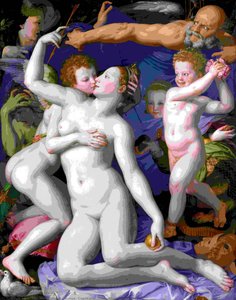
- Venus, Amor, Trivialität und Zeit (ca. 1544-45), jetzt in der National Gallery, London
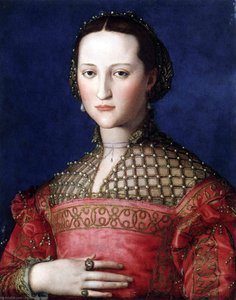
- Porträts von Cosimo I. de’ Medici und seiner Frau Eleonora di Toledo, die Bronzinos Meisterschaft in der Manieristenporträtmalerei zeigen
- Idealisiert Porträts der Dichter Dante (ca. 1530, jetzt in Washington, D.C.) und Petrarch
Wirken am Hof und Späteres Leben
Bronzino wurde zum offiziellen Hofmaler des Herzogs von Toskana ernannt und blieb den größten Teil seiner Karriere in dieser Position tätig. Er war Gründungsmitglied der florentinischen Accademia delle Arti del Disegno im Jahr 1563. Bronzino verstarb am 23. November 1572 in Florenz.- Weitere Werke von Agnolo Bronzino finden Sie unter https://ArtsDot.com/@/agnolo_bronzino
- Erkunden Sie die florentinische Barock-Kunstbewegung und ihren Einfluss auf die westliche Kunst unter https://ArtsDot.com/@@/a@d3cpvx
- Entdecken Sie mehr über die italienische Renaissance-Kunstbewegung und ihre Auswirkungen auf die westliche Kunst unter /de/art/show/art-d3cpud-de/
- 17. November 1503: Geburt in Florenz, Italien
- 1539: Erhielt Medici-Schutzherrschaft für die Hochzeit von Cosimo I. de’ Medici mit Eleonora di Toledo
- 23. November 1572: Verstarb in Florenz
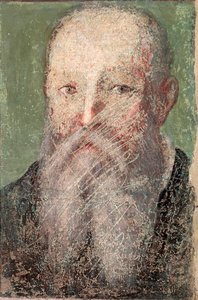
Agnolo Bronzino
1503 - 1572 , Italien
Kurzinfos
- Beeinflusste Künstler:
- Raffaellino del Garbo
- Jacopo Pontormo
- Bemerkenswerte Werke:
- Venus, Amor und Zeit
- Porträts der Medici-Familie
- Geburtsdatum: 17. November 1503
- Geburtsort: Florenz, Italien
- Künstlerischer Stil: Mannerismus
- Nationalität: Italiener
- Todatum: 23. November 1572
- Vollständiger Name: Agnolo Bronzino
- Von Künstlern Beeinflusst:
- Michelangelo
- Raphael
Ähnliche Artikel

Giclée Prints: Archival Quality & Aesthetic Nuances for the Discerning Collector
Explore the world of giclée prints with ArtsDot. Learn about archival quality, aesthetic nuances & investment potential. Expert guidance for discerning art collectors seeking museum-quality reproductions and lasting value.

Echoes of Time: Exploring the Enduring Appeal & Historical Context of Vintage Art Prints
Explore the captivating world of vintage art prints! Discover their history, collecting tips & enduring appeal. Expert insights on chromolithography and building a legacy collection with ArtsDot.

The Enduring Legacy of Fine Art Prints: Technique, History & Aesthetic Impact
Explore the rich history & techniques of fine art prints. Discover investment potential, assess authenticity, and learn how to preserve your collection with expert guidance. Trusted insights for discerning collectors.
The Enduring Legacy of Printmaking: Techniques, Themes & Artistic Innovation Across Centuries
Explore the rich history of printmaking with ArtsDot. Discover techniques from intaglio to lithography, learn about collecting valuable prints & find museum-quality reproductions. Expert insights for art enthusiasts and collectors.
The Enduring Legacy of Woodblock Printmaking: Technique, History & Artistic Expression
Explore the rich history of woodblock printmaking – from ancient techniques to Ukiyo-e masterpieces. Discover expert insights on collecting, preserving & appreciating this enduring art form.