 Vorschau anzeigen
 Versenden
 Teilen
 Details anzeigen

 Herunterladen
 Ähnliche Objekte
 Röntgenaufnahme
 Diashow
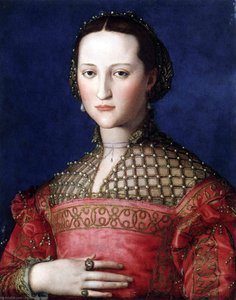
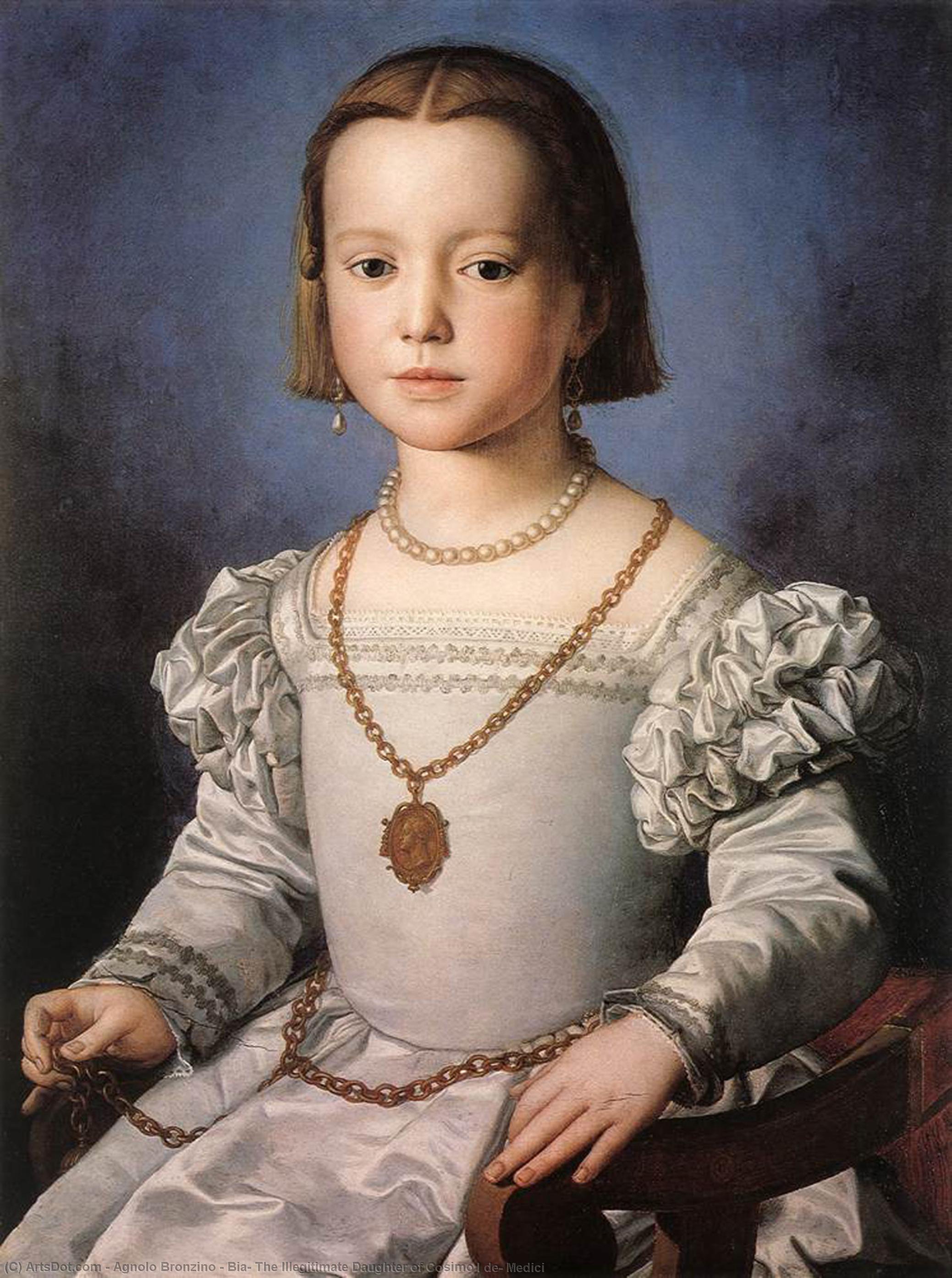
Bia, The Illegitimate Daughter of Cosimo I de' Medici
 Tempera On Panel
- WallArt
- Renaissance Mannerism
 1542
1542- Renaissance
 63.0 x 48.0 cm
 Galleria degli Uffizi
 Weiterlesen
Handgefertigte Ölreproduktion
Handgemaltes Ölgemälde auf Leinwand in Ihrer Wunschgröße und mit Rahmen, auf Bestellung von unseren Künstlern angefertigt. ( Druck bestellen Bild kaufen)




P118B $10

P118H $10

P118W $10

P438Z $10

P508JH $12

P508YH $12

P805H $10

P805Z $10

P919BZ $10

P919G $10

P919XJ $10

P959ZH $10

P968JZ $12

W106C $8

W218G $10

W218JH $8

W218Y $10

W307PJ $10

W316G $10

W316PJ $8

W316Y $10

W398PJ $8

W4111J $10

W500HY $15

W500JH $15

W692G $12

W849H $8

W940BG $15

W953PJ $8




Wählen Sie aus unseren vordefinierten Formaten, die den ursprünglichen Proportionen des Kunstwerks entsprechen.

Sie können Ihre eigenen Maße eingeben, um einen bestimmten Rahmen oder Platz auszufüllen. Wenn die gewählte Größe nicht den Proportionen des Originalbildes entspricht, werden wir das Kunstwerk entweder beschneiden oder das Gemälde durch zusätzliche, handgemalte Elemente erweitern. Ein digitales Mockup wird Ihnen zur Genehmigung zugesandt, bevor die Produktion beginnt.
Bitte beachten Sie, dass die Bildschirmvorschau nicht die tatsächliche Beschneidung oder Erweiterung widerspiegelt. Nur das Mockup zeigt die endgültige Komposition exakt an.
Obwohl Sondermaße verfügbar sind, empfehlen wir, eine Größe aus der vordefinierten Liste zu wählen, um die ursprünglichen Proportionen beizubehalten.
Nach der Bestellung wird das ArtsDot.com-Team dem Kunden Anweisungen per E-Mail zusenden und eine Mockup-Vorschau bereitstellen.
Weltweiter Versand () in nur 3 bis 4 Wochen statt der üblichen 5 Wochen. (2 September). Keine Kompromisse bei der Qualität.

Kostenloser weltweiter Expressversand

Hochwertige Leinenleinwand

Umfassender Versicherungsschutz beim Versand

Zollgebühren-Rückerstattungsgarantie

Garantie für exakte Farbtreue

60 Tage Rückgaberecht (nur bei Mängeln)

100% Geld-zurück-Garantie

Mengenrabatt verfügbar
 Die Glasoption ist nur für Größen unter 110 cm verfügbar.

Bia, The Illegitimate Daughter of Cosimo I de' Medici
Art der Reproduktion
Format der Reproduktion
-


Gesamtpreis
$ 263
A Vision of Florentine Grace
In the heart of the Italian Renaissance, amidst the political intrigue and burgeoning splendor of the Medici court, Agnolo Bronzino captured a moment of profound, quiet dignity. His 1542 masterpiece, Portrait of Bia, The Illegitimate Daughter of Cosimo I de' Medici, is far more than a mere likeness of a young girl; it is a window into the soul of Mannerism and the complex social hierarchies of sixteenth-century Florence. As the viewer encounters Bia, she does not merely sit before us; she presides over the canvas with a serene composure that belies her youth, her gaze meeting ours with an enigmatic stillness that has captivated collectors and historians for centuries.
The portrait serves as a masterful study of Mannerist elegance, a style defined by its departure from the balanced harmonies of the High Renaissance in favor of elongated forms, polished surfaces, and psychological depth. Bronzino, the preeminent court painter to the Medici, utilizes a meticulous technique of tempera on wood to achieve an almost supernatural level of detail. Every element of Bia’s presentation is rendered with a luminous precision that makes the textures of her world feel tangible. The artist employs chiaroscuro—the delicate dance between light and shadow—to sculpt the soft contours of her face and the intricate folds of her garments, imbuing the work with a sense of three-dimensional presence and a quiet, breathing vitality.
Symbolism and the Language of Nobility
Beyond its aesthetic brilliance, the painting is steeped in the symbolic language of the era, acting as a silent chronicle of lineage and virtue. Bia, though born outside the formal bonds of marriage, is presented with all the hallmarks of aristocratic refinement. Her attire—a pristine white gown meticulously adorned with shimmering pearls—is a deliberate choice by Bronzino to communicate themes of purity, innocence, and high social standing. The pearls, reflecting light with a soft luster, serve as emblems of her noble character, reinforcing the legitimacy of her place within the influential Medici circle.
The composition itself is a masterclass in balance and atmosphere. Behind the young girl, a tranquil azure sky provides a vast, ethereal backdrop that contrasts beautifully with the detailed richness of her jewelry and clothing. This choice of color palette—the cool blues against the warm, pale tones of her skin—creates a harmonious environment that directs all focus toward the subject's face. For the discerning interior designer or art enthusiast, this piece offers a sense of timeless tranquility, making it an ideal centerpiece for spaces that demand both sophistication and a touch of historical grandeur.
An Enduring Legacy for the Modern Collector
To possess a reproduction of Bronzino’s work is to invite the refined spirit of the Florentine Renaissance into one's personal sanctuary. The emotional impact of the portrait lies in its ability to evoke a sense of peace and ordered beauty, even amidst the historical complexities of the Medici dynasty. It is a work that speaks to the enduring human desire for grace, stability, and the celebration of identity.
Whether you are an art historian drawn to the technical mastery of the Mannerist period or a collector seeking a piece that embodies classical elegance, this portrait offers unparalleled inspiration. Its subtle luminosity and profound psychological depth ensure that it remains not just a relic of the past, but a living, breathing element of contemporary fine art decoration, capable of transforming any room into a gallery of historical significance.
Ähnliche Kunstwerke

Über den Künstler
Frühes Leben und Ausbildung
Agnolo di Cosimo, bekannt als Bronzino, wurde am 17. November 1503 in Florenz, Italien, geboren. Er war der Sohn eines Metzgenders und begann seine künstlerische Ausbildung bei Raffaellino del Garbo, gefolgt von einer Lehrzeit bei Pontormo, einem bedeutenden Manieristenmaler.Künstlerischer Stil und Einflüsse
Bronzinos Stil ist durch elegante, ruhige und zurückhaltende Figuren gekennzeichnet, denen oft die Aufregung und Emotionen fehlen, die in den Werken seines Lehrmeisters Pontormo zu finden sind. Seine Porträts, insbesondere von der florentinischen Elite, sind für ihre winzige Detailgenauigkeit bekannt und haben die europäische Hofporträtmalerei über Jahrhunderte hinweg beeinflusst.Hauptwerke
- Venus, Amor, Trivialität und Zeit (ca. 1544-45), jetzt in der National Gallery, London
- Porträts von Cosimo I. de’ Medici und seiner Frau Eleonora di Toledo, die Bronzinos Meisterschaft in der Manieristenporträtmalerei zeigen
- Idealisiert Porträts der Dichter Dante (ca. 1530, jetzt in Washington, D.C.) und Petrarch
Wirken am Hof und Späteres Leben
Bronzino wurde zum offiziellen Hofmaler des Herzogs von Toskana ernannt und blieb den größten Teil seiner Karriere in dieser Position tätig. Er war Gründungsmitglied der florentinischen Accademia delle Arti del Disegno im Jahr 1563. Bronzino verstarb am 23. November 1572 in Florenz.- Weitere Werke von Agnolo Bronzino finden Sie unter https://ArtsDot.com/@/agnolo_bronzino
- Erkunden Sie die florentinische Barock-Kunstbewegung und ihren Einfluss auf die westliche Kunst unter https://ArtsDot.com/@@/a@d3cpvx
- Entdecken Sie mehr über die italienische Renaissance-Kunstbewegung und ihre Auswirkungen auf die westliche Kunst unter /de/art/show/art-d3cpud-de/
- 17. November 1503: Geburt in Florenz, Italien
- 1539: Erhielt Medici-Schutzherrschaft für die Hochzeit von Cosimo I. de’ Medici mit Eleonora di Toledo
- 23. November 1572: Verstarb in Florenz
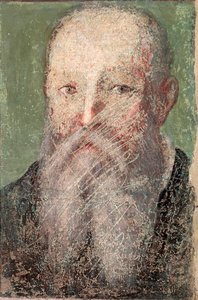
Agnolo Bronzino
1503 - 1572 , Italien
Kurzinfos
- Beeinflusste Künstler:
- Raffaellino del Garbo
- Jacopo Pontormo
- Bemerkenswerte Werke:
- Venus, Amor und Zeit
- Porträts der Medici-Familie
- Geburtsdatum: 17. November 1503
- Geburtsort: Florenz, Italien
- Künstlerischer Stil: Mannerismus
- Nationalität: Italiener
- Todatum: 23. November 1572
- Vollständiger Name: Agnolo Bronzino
- Von Künstlern Beeinflusst:
- Michelangelo
- Raphael
Ähnliche Artikel
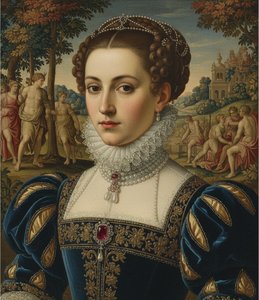
Agnolo Bronzino: Meister der Höfischen Porträtkunst und der rätselhafte Blick der Florentiner Renaissance
Entdecken Sie die faszinierende Welt von Agnolo Bronzino! Expertenanalyse seiner Meisterwerke der Renaissance-Porträtmalerei, Manierismus und die verborgenen Botschaften höfischer Kunst. Jetzt mehr erfahren!
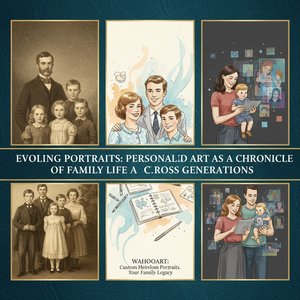
Entwicklung von Familienporträts: Personalisierte Kunst als Chronik des Lebens über Generationen hinweg
Entdecken Sie die faszinierende Welt der Familienporträts! Von historischen Meisterwerken bis zu personalisierten Auftragsgemälden – wir bieten Kunst für Generationen. Expertenberatung & höchste Qualität.

The Enduring Legacy of Family Portraiture: A Historical & Artistic Exploration
Explore the rich history of family portraiture with ArtsDot. Discover artistic styles, symbolism & collecting insights. Commission a custom oil painting or appraise your existing artwork today!

Das Echo der Ahnen: Familienporträts im Laufe der Geschichte
Entdecken Sie die Geschichte der Familienporträts! Von Renaissance bis Moderne – fertigt hochwertige Reproduktionen & Auftragsgemälde an. Expertenberatung inklusive!

Depicting Kinship: Family Values Across Artistic Movements & Historical Contexts
Explore the rich history of depicting kinship in art! From Dutch Masters to contemporary artists, discover how family values have been represented across movements & time. Expert insights for collectors at ArtsDot.