 Versenden
 Teilen
 Details anzeigen

 Herunterladen
 Ähnliche Objekte
 Diashow
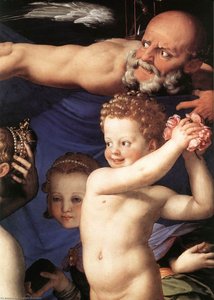
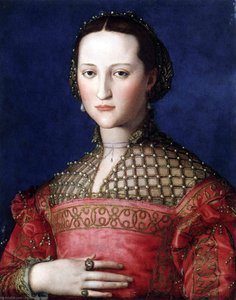
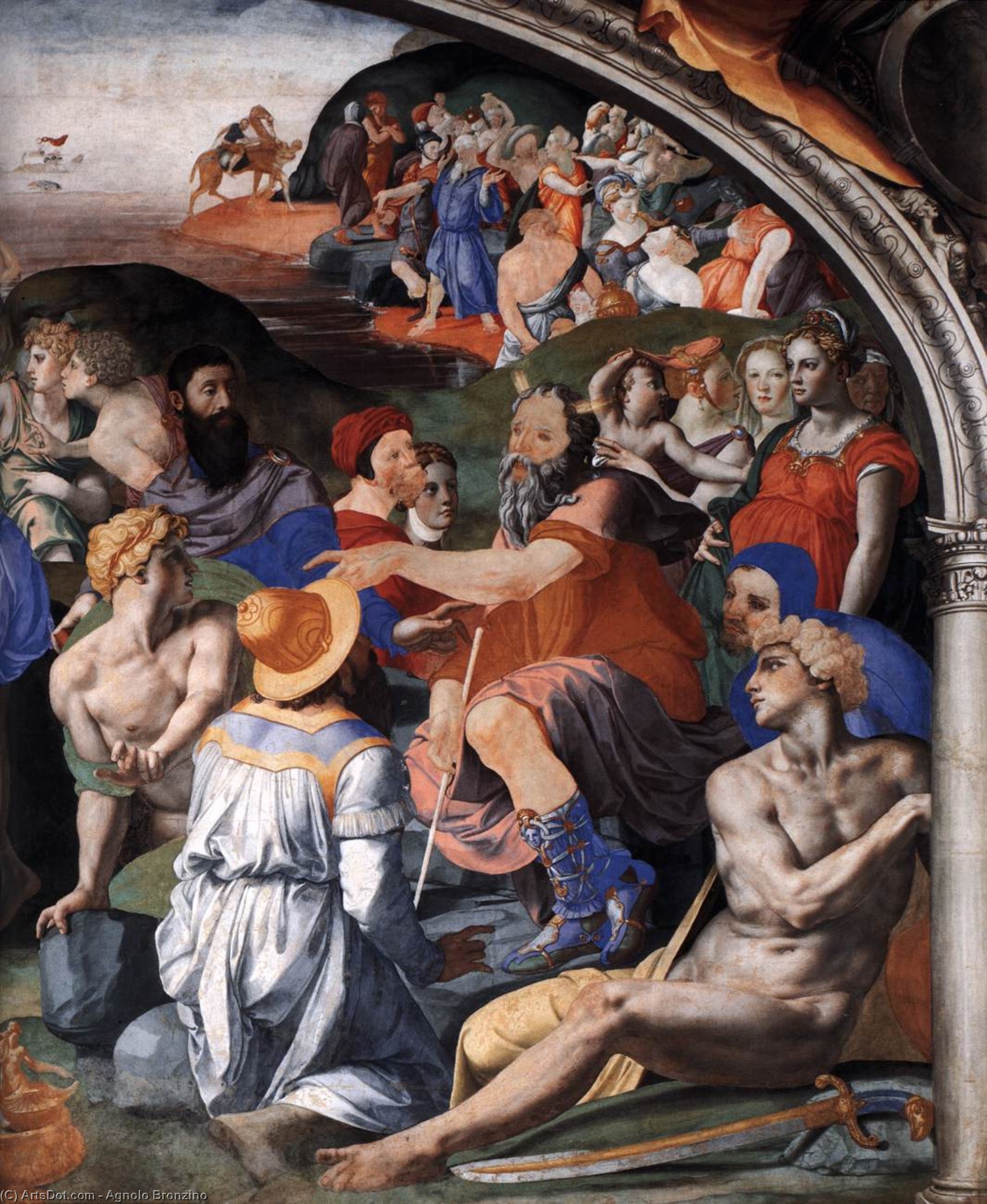
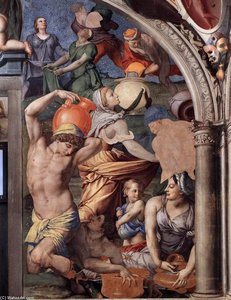
Crossing of the Red Sea (detail)


 Weiterlesen
Giclée / Kunstdruck
Giclée- oder Leinwanddruck in Museumsqualität mit schneller Produktion und flexiblen Veredelungsoptionen. ( Handgemalte Reproduktion bestellen Bild kaufen)




































Wählen Sie aus unseren vordefinierten Formaten, die den ursprünglichen Proportionen des Kunstwerks entsprechen.

Sie können Ihre eigenen Maße eingeben, um ein bestimmtes Format oder einen speziellen Platz einzupassen. Wenn das von Ihnen gewählte Format nicht den Proportionen des Originalbildes entspricht, werden wir das Kunstwerk entweder beschneiden oder das Bild mit einem gespiegelten oder einfarbigen Rand erweitern. Ein digitaler Entwurf wird Ihnen zur Genehmigung zugesandt, bevor die Produktion beginnt.
Bitte beachten Sie, dass die Vorschau auf dem Bildschirm nicht den tatsächlichen Zuschnitt oder die Erweiterung widerspiegelt. Nur der Entwurf zeigt die endgültige Komposition präzise an.
Obwohl Sondermaße verfügbar sind, empfehlen wir die Auswahl eines Maßes aus der vordefinierten Liste, um die ursprünglichen Proportionen zu bewahren.
Weltweiter Versand () innerhalb von 2 Wochen statt der üblichen 4/5 Wochen. (1 September)

Kostenloser weltweiter Expressversand

Hochwertige Leinenleinwand

Umfassender Versicherungsschutz beim Versand

Zollgebühren-Rückerstattungsgarantie

Garantie für exakte Farbtreue

60 Tage Rückgaberecht (nur bei Mängeln)

100% Geld-zurück-Garantie

Mengenrabatt verfügbar
 Die Glasoption ist nur für Größen unter 110 cm verfügbar.

Crossing of the Red Sea (detail)
Giclée / Kunstdruck
Format der Reproduktion
-


Gesamtpreis
$ 62
A Glimpse into Faith: Bronzino's "Crossing of the Red Sea"
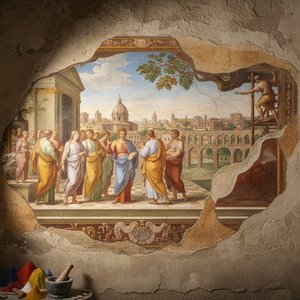
Agnolo Bronzino’s “Crossing of the Red Sea,” painted in 1540, offers a compelling and enigmatic meditation on faith, obedience, and the dramatic power of biblical narrative. Executed as a fresco, this detailed depiction immediately draws the viewer into a scene brimming with human figures gathered around a substantial body of water – a visual representation of the pivotal moment recounted in Exodus. The sheer scale of the composition, combined with Bronzino’s signature meticulous attention to detail, creates an immersive experience, inviting contemplation on the courage and divine intervention that defined this foundational story for generations.
- Subject Matter: The artwork unequivocally portrays a key event from the Old Testament – the miraculous parting of the Red Sea as described in the Book of Exodus.
- Composition: Bronzino masterfully organizes the figures, placing them strategically to emphasize the scale and drama of the event. The juxtaposition of those standing on the shore with those navigating the boats creates a dynamic tension, reflecting the precariousness of their journey.
Mannerist Precision and Reserved Elegance
Bronzino’s style is quintessential Mannerism, a movement that flourished in Florence during the late 16th century. Unlike the High Renaissance emphasis on idealized beauty and harmonious proportions, Mannerism prioritized elegance, sophistication, and often, an unsettling sense of artificiality. In “Crossing of the Red Sea,” this manifests as elongated figures, subtly distorted perspectives, and a deliberate avoidance of naturalistic representation. The cool color palette – dominated by blues, grays, and ochres – further contributes to the painting’s refined and somewhat detached aesthetic. Bronzino's technique is characterized by smooth, polished surfaces achieved through meticulous layering of translucent glazes, a hallmark of his approach that lends the figures an almost porcelain-like quality.
- Technique: The fresco technique employed by Bronzino involved applying pigments to wet plaster, creating a durable and vibrant image. His masterful use of glazing created depth and luminosity within the composition.
- Formal Qualities: Noticeable are the subtly distorted poses and expressions, typical of Mannerist style, adding an element of psychological complexity to the scene.
Symbolism and Interpretation
Beyond its literal depiction of a biblical event, “Crossing of the Red Sea” is rich in symbolic potential. The multitude of figures suggests the collective faith and obedience of the Israelites. The boats themselves represent vulnerability and reliance on divine protection. The varying attire – from formal robes to more casual garments – could be interpreted as representing different levels of devotion or social standing within the community. The inclusion of details like ties adds a layer of contemporary observation, subtly grounding the biblical narrative in the realities of 16th-century Florentine society. Bronzino’s reserved elegance invites viewers to contemplate not just the event itself, but also the human condition – our capacity for both faith and doubt.
A Legacy of Artistic Mastery
Completed in 1540, “Crossing of the Red Sea” stands as a testament to Agnolo Bronzino’s exceptional skill and artistic vision. His reputation as a Florentine Master of Reserved Elegance was well-earned, and this painting exemplifies his ability to combine technical virtuosity with profound symbolic depth. A hand-painted reproduction offers an unparalleled opportunity to experience the beauty and intellectual richness of this remarkable artwork, bringing its timeless narrative into your home or studio.
Ähnliche Kunstwerke
Über den Künstler
Frühes Leben und Ausbildung
Agnolo di Cosimo, bekannt als Bronzino, wurde am 17. November 1503 in Florenz, Italien, geboren. Er war der Sohn eines Metzgenders und begann seine künstlerische Ausbildung bei Raffaellino del Garbo, gefolgt von einer Lehrzeit bei Pontormo, einem bedeutenden Manieristenmaler.Künstlerischer Stil und Einflüsse
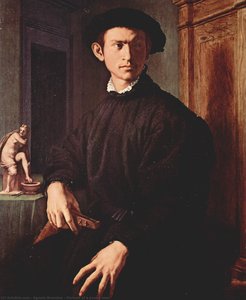
Bronzinos Stil ist durch elegante, ruhige und zurückhaltende Figuren gekennzeichnet, denen oft die Aufregung und Emotionen fehlen, die in den Werken seines Lehrmeisters Pontormo zu finden sind. Seine Porträts, insbesondere von der florentinischen Elite, sind für ihre winzige Detailgenauigkeit bekannt und haben die europäische Hofporträtmalerei über Jahrhunderte hinweg beeinflusst.Hauptwerke
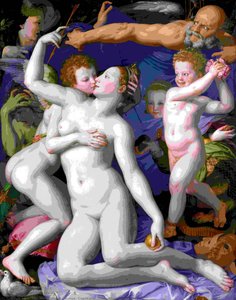
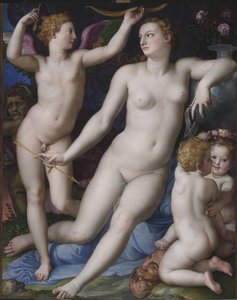
- Venus, Amor, Trivialität und Zeit (ca. 1544-45), jetzt in der National Gallery, London
- Porträts von Cosimo I. de’ Medici und seiner Frau Eleonora di Toledo, die Bronzinos Meisterschaft in der Manieristenporträtmalerei zeigen
- Idealisiert Porträts der Dichter Dante (ca. 1530, jetzt in Washington, D.C.) und Petrarch
Wirken am Hof und Späteres Leben
Bronzino wurde zum offiziellen Hofmaler des Herzogs von Toskana ernannt und blieb den größten Teil seiner Karriere in dieser Position tätig. Er war Gründungsmitglied der florentinischen Accademia delle Arti del Disegno im Jahr 1563. Bronzino verstarb am 23. November 1572 in Florenz.- Weitere Werke von Agnolo Bronzino finden Sie unter https://ArtsDot.com/@/agnolo_bronzino
- Erkunden Sie die florentinische Barock-Kunstbewegung und ihren Einfluss auf die westliche Kunst unter https://ArtsDot.com/@@/a@d3cpvx
- Entdecken Sie mehr über die italienische Renaissance-Kunstbewegung und ihre Auswirkungen auf die westliche Kunst unter /de/art/show/art-d3cpud-de/
- 17. November 1503: Geburt in Florenz, Italien
- 1539: Erhielt Medici-Schutzherrschaft für die Hochzeit von Cosimo I. de’ Medici mit Eleonora di Toledo
- 23. November 1572: Verstarb in Florenz
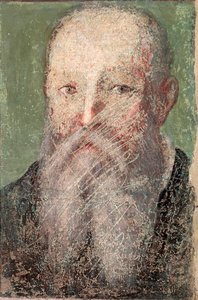
Agnolo Bronzino
1503 - 1572 , Italien
Kurzinfos
- Beeinflusste Künstler:
- Raffaellino del Garbo
- Jacopo Pontormo
- Bemerkenswerte Werke:
- Venus, Amor und Zeit
- Porträts der Medici-Familie
- Geburtsdatum: 17. November 1503
- Geburtsort: Florenz, Italien
- Künstlerischer Stil: Mannerismus
- Nationalität: Italiener
- Todatum: 23. November 1572
- Vollständiger Name: Agnolo Bronzino
- Von Künstlern Beeinflusst:
- Michelangelo
- Raphael
Ähnliche Artikel

Das Familienerbe an die Wand bringen: Wandgemälde als Generationenschatz
Verwandeln Sie Ihre Familiengeschichte in ein beeindruckendes Wandgemälde! Expertenrat & hochwertige Handwerkskunst für einzigartige Kunstwerke, die Generationen verbinden. Entdecken Sie jetzt!

The Enduring Legacy of Fresco: Technique, History & Artistic Expression Across Cultures
Explore the rich history & enduring legacy of fresco painting! Discover ancient techniques, Giotto's masterpieces, and modern applications. Expert insights for art lovers & professionals.

The Enduring Legacy of Fresco Painting: Techniques, History & Contemporary Relevance
Explore the rich history & enduring artistry of fresco painting – from Giotto to Michelangelo! Discover techniques, conservation efforts, & modern applications. Learn how ArtsDot brings this timeless art form to your home.
Die bleibende Pracht der Freskomalerei: Technik, Geschichte und künstlerischer Ausdruck
Entdecken Sie die faszinierende Welt der Freskomalerei! Von den Ursprüngen bis zur Renaissance – wir beleuchten Technik, Geschichte und künstlerischen Ausdruck dieser einzigartigen Kunstform. Expertenwissen für Sammler & Liebhaber.

Kunst, die mit Ihnen lebt: Emotionale Kraft individueller Innenraumfresken
Entdecken Sie die emotionale Kraft individueller Innenraumfresken! Expertenberatung & hochwertige Wandmalerei für Hotels, Wohnräume & mehr. – Ihr Partner für einzigartige Kunst.