 Vorschau anzeigen
 Versenden
 Teilen
 Details anzeigen

 Herunterladen
 Ähnliche Objekte
 Röntgenaufnahme
 Diashow
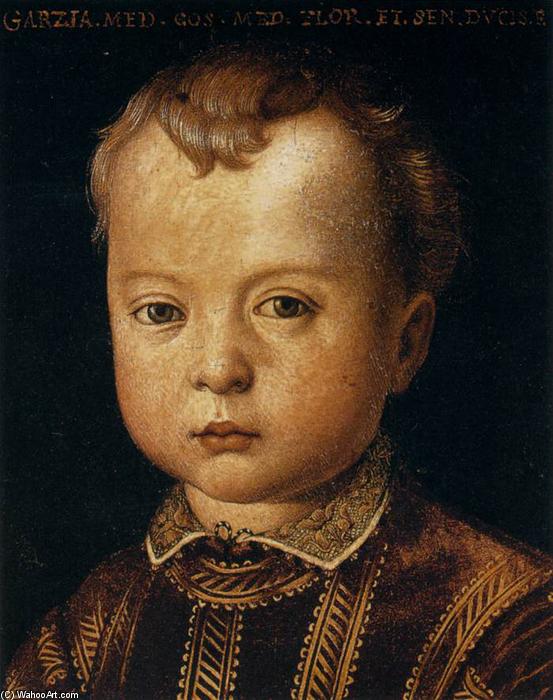
Garcia de' Medici
 Oil
Oil- WallArt
- Mannerist Portraiture
 1555
1555- Early Modern
 15.0 x 12.0 cm
 Galleria degli Uffizi
 Weiterlesen
Handgefertigte Ölreproduktion
Handgemaltes Ölgemälde auf Leinwand in Ihrer Wunschgröße und mit Rahmen, auf Bestellung von unseren Künstlern angefertigt. ( Druck bestellen Bild kaufen)




P118B $10

P118H $10

P118W $10

P438Z $10

P508JH $12

P508YH $12

P805H $10

P805Z $10

P919BZ $10

P919G $10

P919XJ $10

P959ZH $10

P968JZ $12

W106C $8

W218G $10

W218JH $8

W218Y $10

W307PJ $10

W316G $10

W316PJ $8

W316Y $10

W398PJ $8

W4111J $10

W500HY $15

W500JH $15

W692G $12

W849H $8

W940BG $15

W953PJ $8




Wählen Sie aus unseren vordefinierten Formaten, die den ursprünglichen Proportionen des Kunstwerks entsprechen.

Sie können Ihre eigenen Maße eingeben, um einen bestimmten Rahmen oder Platz auszufüllen. Wenn die gewählte Größe nicht den Proportionen des Originalbildes entspricht, werden wir das Kunstwerk entweder beschneiden oder das Gemälde durch zusätzliche, handgemalte Elemente erweitern. Ein digitales Mockup wird Ihnen zur Genehmigung zugesandt, bevor die Produktion beginnt.
Bitte beachten Sie, dass die Bildschirmvorschau nicht die tatsächliche Beschneidung oder Erweiterung widerspiegelt. Nur das Mockup zeigt die endgültige Komposition exakt an.
Obwohl Sondermaße verfügbar sind, empfehlen wir, eine Größe aus der vordefinierten Liste zu wählen, um die ursprünglichen Proportionen beizubehalten.
Nach der Bestellung wird das ArtsDot.com-Team dem Kunden Anweisungen per E-Mail zusenden und eine Mockup-Vorschau bereitstellen.
Weltweiter Versand () in nur 3 bis 4 Wochen statt der üblichen 5 Wochen. (30 August). Keine Kompromisse bei der Qualität.

Kostenloser weltweiter Expressversand

Hochwertige Leinenleinwand

Umfassender Versicherungsschutz beim Versand

Zollgebühren-Rückerstattungsgarantie

Garantie für exakte Farbtreue

60 Tage Rückgaberecht (nur bei Mängeln)

100% Geld-zurück-Garantie

Mengenrabatt verfügbar
 Die Glasoption ist nur für Größen unter 110 cm verfügbar.

Garcia de' Medici
Art der Reproduktion
Format der Reproduktion
-


Gesamtpreis
$ 263
A Moment Suspended in Time: The Enigma of Garzia de' Medici
To gaze upon Agnolo Bronzino’s “Garzia de' Medici” is to encounter an exquisite moment suspended in the amber glow of the Italian Renaissance. Painted around 1555, this portrait transcends a mere likeness of a young boy; it is a carefully constructed meditation on status, expectation, and the delicate passage of time. The subject, a child of only five years, possesses an almost porcelain quality to his skin, which contrasts sharply with the deep, velvety expanse of the background. This dramatic void serves to elevate the figure, drawing the viewer into a silent dialogue across the centuries. There is a profound sense of dignified stillness in his gaze—a contemplative depth that belies his tender years and invites us to wonder about the weight of the Medici legacy resting upon such young shoulders.
The painting serves as a quintessential masterpiece of the Mannerist aesthetic. Unlike the balanced, optimistic naturalism of the High Renaissance seen in works by Raphael, Bronzino’s approach embraces a refined restraint and an unsettling, polished perfection. He rejects overt emotional outbursts in favor of a cool, intellectualized beauty. In this portrait, we see the hallmark of Mannerism: the deliberate use of elongated elegance and a smooth, almost enamel-like surface that prioritizes an idealized vision over raw naturalism. For the collector or interior designer, this piece offers a sophisticated focal point, bringing a sense of historical gravity and aristocratic grace to any curated space.
Technical Virtuosity and the Art of Detail
The enduring allure of Bronzino’s work lies in his unparalleled technical mastery. He employed a painstaking process of layering thin, translucent glazes over a precise disegno, or underdrawing, to achieve an astonishing textural depth. One cannot help but be captivated by the meticulous rendering of the boy's attire; the delicate lace of the ruffled collar and the intricate patterning of his garments are executed with such precision that they appear almost sculptural. Every strand of blonde hair is meticulously placed, demonstrating a commitment to anatomical accuracy that borders on the miraculous.
This mastery extends to Bronzino’s handling of light and shadow, known as chiaroscuro. The subtle variations in tone create a powerful illusion of volume, making the young Medici appear to emerge from the darkness into the light. The palette, though predominantly composed of muted shades of ivory, brown, and deep shadows, possesses a hidden luminosity that shifts as the viewer moves. This interplay of light not only defines the physical form but also contributes to the painting's emotional atmosphere—a blend of solemnity and quiet majesty. For those seeking a high-quality reproduction, capturing these subtle tonal transitions is essential to preserving the soul of Bronzino’s original vision.
A Legacy of Florentine Elegance
Beyond its aesthetic brilliance, the portrait is steeped in the rich historical context of the Florentine Court. As the official court painter to Cosimo I de' Medici, Bronzino was tasked with capturing the rigid etiquette and frozen grandeur of one of Europe's most powerful dynasties. This portrait of Garzia is not merely a family memento but a political instrument, projecting an image of stability, continuity, and noble composure. The boy’s serious expression reflects the disciplined upbringing expected of Medici royalty, where even childhood was framed by the responsibilities of lineage.
Integrating such a piece into a modern interior provides more than just decoration; it introduces a narrative of resilience and timelessness. Whether placed in a formal study or as a conversation piece in a contemporary gallery, the "Garzia de' Medici" evokes a sense of refined nostalgia. It is an invitation to appreciate the beauty of restraint and the power of a single, steady gaze to command a room. For the discerning art lover, owning a reproduction of this caliber means possessing a fragment of the Renaissance spirit—a piece that celebrates the intersection of human vulnerability and eternal nobility.
Ähnliche Kunstwerke


Über den Künstler
Frühes Leben und Ausbildung
Agnolo di Cosimo, bekannt als Bronzino, wurde am 17. November 1503 in Florenz, Italien, geboren. Er war der Sohn eines Metzgenders und begann seine künstlerische Ausbildung bei Raffaellino del Garbo, gefolgt von einer Lehrzeit bei Pontormo, einem bedeutenden Manieristenmaler.Künstlerischer Stil und Einflüsse
Bronzinos Stil ist durch elegante, ruhige und zurückhaltende Figuren gekennzeichnet, denen oft die Aufregung und Emotionen fehlen, die in den Werken seines Lehrmeisters Pontormo zu finden sind. Seine Porträts, insbesondere von der florentinischen Elite, sind für ihre winzige Detailgenauigkeit bekannt und haben die europäische Hofporträtmalerei über Jahrhunderte hinweg beeinflusst.Hauptwerke
- Venus, Amor, Trivialität und Zeit (ca. 1544-45), jetzt in der National Gallery, London
- Porträts von Cosimo I. de’ Medici und seiner Frau Eleonora di Toledo, die Bronzinos Meisterschaft in der Manieristenporträtmalerei zeigen
- Idealisiert Porträts der Dichter Dante (ca. 1530, jetzt in Washington, D.C.) und Petrarch
Wirken am Hof und Späteres Leben
Bronzino wurde zum offiziellen Hofmaler des Herzogs von Toskana ernannt und blieb den größten Teil seiner Karriere in dieser Position tätig. Er war Gründungsmitglied der florentinischen Accademia delle Arti del Disegno im Jahr 1563. Bronzino verstarb am 23. November 1572 in Florenz.- Weitere Werke von Agnolo Bronzino finden Sie unter https://ArtsDot.com/@/agnolo_bronzino
- Erkunden Sie die florentinische Barock-Kunstbewegung und ihren Einfluss auf die westliche Kunst unter https://ArtsDot.com/@@/a@d3cpvx
- Entdecken Sie mehr über die italienische Renaissance-Kunstbewegung und ihre Auswirkungen auf die westliche Kunst unter /de/art/show/art-d3cpud-de/
- 17. November 1503: Geburt in Florenz, Italien
- 1539: Erhielt Medici-Schutzherrschaft für die Hochzeit von Cosimo I. de’ Medici mit Eleonora di Toledo
- 23. November 1572: Verstarb in Florenz
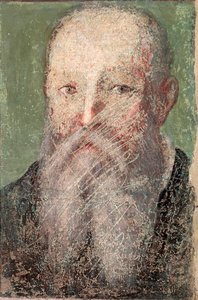
Agnolo Bronzino
1503 - 1572 , Italien
Kurzinfos
- Beeinflusste Künstler:
- Raffaellino del Garbo
- Jacopo Pontormo
- Bemerkenswerte Werke:
- Venus, Amor und Zeit
- Porträts der Medici-Familie
- Geburtsdatum: 17. November 1503
- Geburtsort: Florenz, Italien
- Künstlerischer Stil: Mannerismus
- Nationalität: Italiener
- Todatum: 23. November 1572
- Vollständiger Name: Agnolo Bronzino
- Von Künstlern Beeinflusst:
- Michelangelo
- Raphael
Ähnliche Artikel

Weiße Meisterwerke: Die Top 10 berühmtesten Gemälde und ihre zeitlose Eleganz
Entdecken Sie die Top 10 berühmter Gemälde, dominiert von Weiß! Von Malewitsch bis Rothko – erfahren Sie Geschichten hinter ikonischen Kunstwerke und lassen Sie sich für Ihre Wohnraumgestaltung inspirieren. Kunstreproduktionen in Museumsqualiät auf

Goya: Die 25 Meisterwerke des spanischen Genies – Kunst für Ihr Zuhause | ArtsDot
Entdecken Sie die 25 Meisterwerke von Francisco Goya! Tauchen Sie ein in die düstere Romantik spanischer Malerei, Porträts & Historienbilder. Hochwertige Kunstdrucke auf ArtsDot.com – für Kunstliebhaber und stilvolles Wohnen.

Die Top 10 berühmter Gemälde im Reich der dunklen Töne |
Entdecken Sie die Top 10 berühmter Gemälde, beherrscht von dunklen Tönen! Von Caravaggio bis Manet – erfahren Sie die Geschichten hinter Meisterwerken der Kunstgeschichte. Finden Sie Ihre perfekte Reproduktion auf .

Über uns
Entdecken Sie unsere Geschichte! Wir bringen Weltklasse-Kunst in Ihr Leben durch fachkundige Auswahl, individuelle Kreationen und kostenlose Vorschauen. Seit dem Jahr 2000 von Privatpersonen und Unternehmen geschätzt.

Monochrome Visions: Exploring the Aesthetic & Historical Significance of Black & White Photography
Explore the rich history & artistic power of black and white photography. From early techniques to iconic masters like Ansel Adams, discover why monochrome continues to captivate art lovers today. Expert insights for collectors.