 Versenden
 Teilen
 Details anzeigen

 Herunterladen
 Ähnliche Objekte
 Diashow
 Statistiken
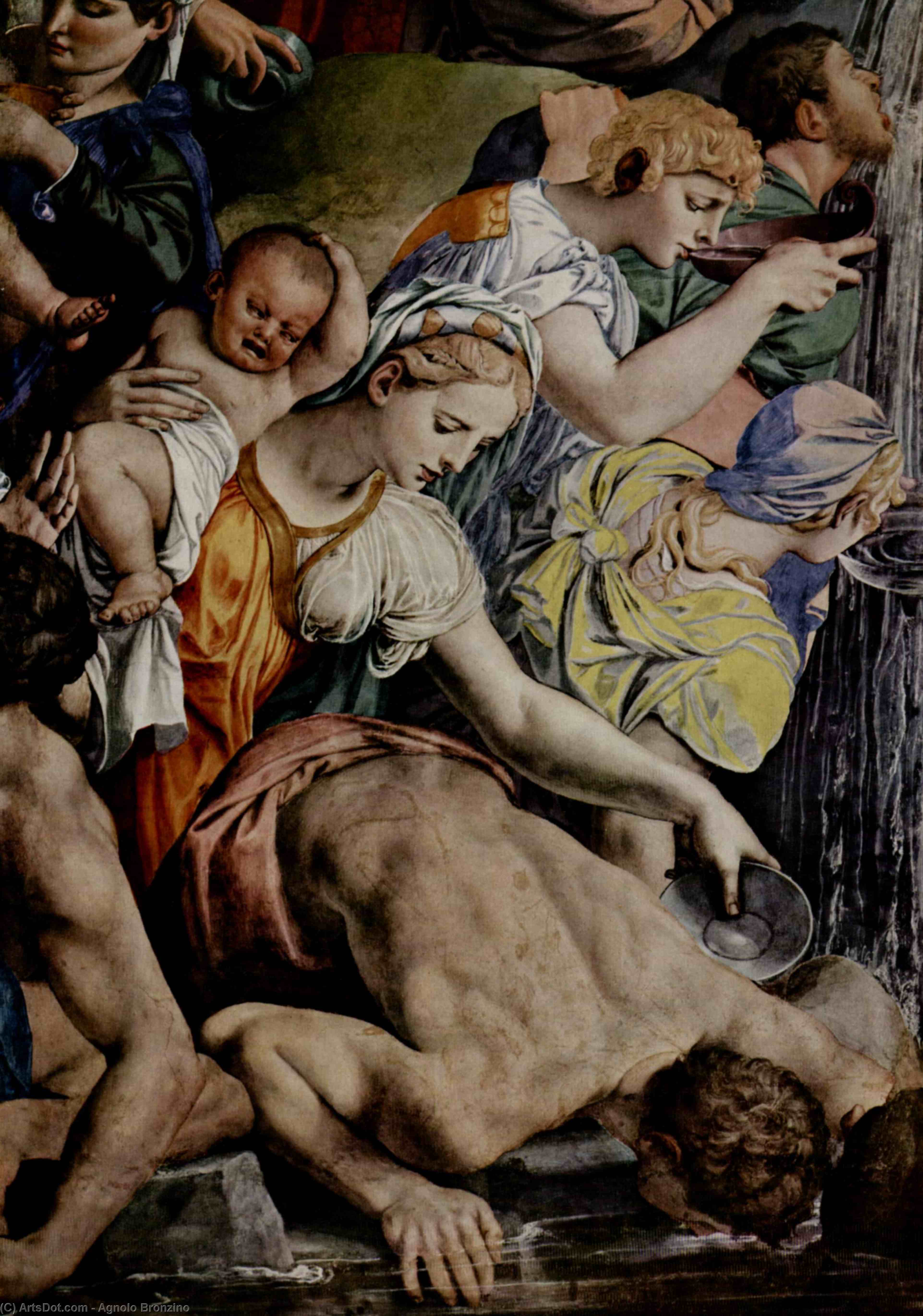
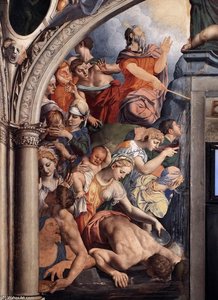
Moses strikes water from the wall rocks


 Weiterlesen
Giclée / Kunstdruck
Giclée- oder Leinwanddruck in Museumsqualität mit schneller Produktion und flexiblen Veredelungsoptionen. ( Handgemalte Reproduktion bestellen Zum digitalen Bild wechseln)




































Wählen Sie aus unseren vordefinierten Formaten, die den ursprünglichen Proportionen des Kunstwerks entsprechen.

Sie können Ihre eigenen Maße eingeben, um ein bestimmtes Format oder einen speziellen Platz einzupassen. Wenn das von Ihnen gewählte Format nicht den Proportionen des Originalbildes entspricht, werden wir das Kunstwerk entweder beschneiden oder das Bild mit einem gespiegelten oder einfarbigen Rand erweitern. Ein digitaler Entwurf wird Ihnen zur Genehmigung zugesandt, bevor die Produktion beginnt.
Bitte beachten Sie, dass die Vorschau auf dem Bildschirm nicht den tatsächlichen Zuschnitt oder die Erweiterung widerspiegelt. Nur der Entwurf zeigt die endgültige Komposition präzise an.
Obwohl Sondermaße verfügbar sind, empfehlen wir die Auswahl eines Maßes aus der vordefinierten Liste, um die ursprünglichen Proportionen zu bewahren.
Weltweiter Versand () innerhalb von 2 Wochen statt der üblichen 4/5 Wochen. (10 September)

Kostenloser weltweiter Expressversand

Hochwertige Leinenleinwand

Umfassender Versicherungsschutz beim Versand

Zollgebühren-Rückerstattungsgarantie

Garantie für exakte Farbtreue

100-Tage-Rückgaberecht (nur bei Mängeln)

100% Geld-zurück-Garantie

Mengenrabatt verfügbar
 Die Glasoption ist nur für Größen unter 110 cm verfügbar.

Moses strikes water from the wall rocks
Giclée / Kunstdruck
Format der Reproduktion
-


Gesamtpreis
$ 62
A Divine Torrent: The Dramatic Mastery of Bronzino
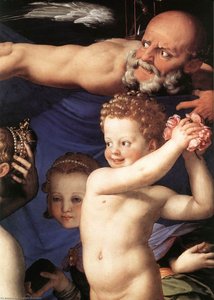
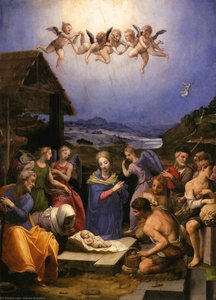
In the heart of the mid-sixteenth century, the Florentine master Agnolo Bronzino captured a moment of profound biblical intervention with his fresco, Moses strikes water from the wall rocks. This work serves as a breathtaking window into the Mannerist era, where the tension between human struggle and divine grace is rendered with surgical precision. The scene unfolds with an almost theatrical intensity, depicting the pivotal moment when Moses, guided by divine command, strikes the barren rock to provide life-sustaining water for his people. As the viewer gazates upon this fresco, one is immediately struck by the intricate choreography of the figures; they are not merely bystanders but participants in a sacred drama, their bodies twisting and reacting to the miraculous emergence of the spring.
The composition is a masterclass in the Mannerist style, characterized by its sophisticated complexity and an almost sculptural approach to the human form. Bronzino, a student of Pontormo, moves away from the soft naturalism of the High Renaissance toward something more stylized and emotionally charged. The way the light catches the edges of the figures and the rugged texture of the stone creates a sense of heightened reality. Notice how the placement of the characters—from the vulnerable infants nestled near the periphery to the focused intensity of Moses himself—guides the eye in a rhythmic dance across the fresco. This deliberate arrangement ensures that the viewer’s gaze is constantly moving, mirroring the flowing energy of the water itself.
Beyond its technical brilliance, the painting is rich with symbolic weight. The act of striking the rock is more than a physical feat; it is an allegory of faith and the sustenance provided by the divine in times of extreme desolation. The presence of the two babies adds a layer of profound vulnerability and hope to the narrative, representing the future of a people sustained by miracles. For the discerning collector or interior designer, this piece offers more than just aesthetic beauty; it provides a focal point of deep intellectual and spiritual resonance. A high-quality reproduction of this fresco brings with it an atmosphere of classical grandeur and timeless storytelling, making it an incomparable addition to any space dedicated to the appreciation of fine art history.
Integrating such a masterpiece into a contemporary or classical interior allows for a dialogue between the past and the present. The cool, refined elegance that Bronzino is famed for—often described as reserved elegance—makes this work surprisingly versatile. Whether placed in a grand library, a formal dining hall, or a curated gallery space, the painting commands attention through its subtle color palette and monumental subject matter. It invites contemplation, prompting guests to linger on the details of the Florentine master's brushwork and the enduring power of this legendary biblical encounter.
Ähnliche Kunstwerke
Über den Künstler
Frühes Leben und Ausbildung
Agnolo di Cosimo, bekannt als Bronzino, wurde am 17. November 1503 in Florenz, Italien, geboren. Er war der Sohn eines Metzgenders und begann seine künstlerische Ausbildung bei Raffaellino del Garbo, gefolgt von einer Lehrzeit bei Pontormo, einem bedeutenden Manieristenmaler.Künstlerischer Stil und Einflüsse
Bronzinos Stil ist durch elegante, ruhige und zurückhaltende Figuren gekennzeichnet, denen oft die Aufregung und Emotionen fehlen, die in den Werken seines Lehrmeisters Pontormo zu finden sind. Seine Porträts, insbesondere von der florentinischen Elite, sind für ihre winzige Detailgenauigkeit bekannt und haben die europäische Hofporträtmalerei über Jahrhunderte hinweg beeinflusst.Hauptwerke
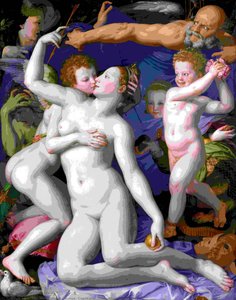
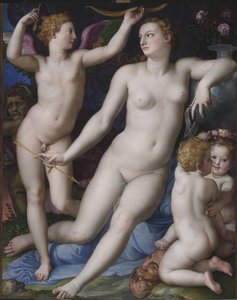
- Venus, Amor, Trivialität und Zeit (ca. 1544-45), jetzt in der National Gallery, London
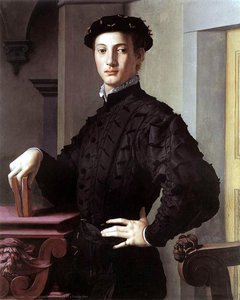
- Porträts von Cosimo I. de’ Medici und seiner Frau Eleonora di Toledo, die Bronzinos Meisterschaft in der Manieristenporträtmalerei zeigen
- Idealisiert Porträts der Dichter Dante (ca. 1530, jetzt in Washington, D.C.) und Petrarch
Wirken am Hof und Späteres Leben
Bronzino wurde zum offiziellen Hofmaler des Herzogs von Toskana ernannt und blieb den größten Teil seiner Karriere in dieser Position tätig. Er war Gründungsmitglied der florentinischen Accademia delle Arti del Disegno im Jahr 1563. Bronzino verstarb am 23. November 1572 in Florenz.- Weitere Werke von Agnolo Bronzino finden Sie unter https://ArtsDot.com/@/agnolo_bronzino
- Erkunden Sie die florentinische Barock-Kunstbewegung und ihren Einfluss auf die westliche Kunst unter https://ArtsDot.com/@@/a@d3cpvx
- Entdecken Sie mehr über die italienische Renaissance-Kunstbewegung und ihre Auswirkungen auf die westliche Kunst unter /de/art/show/art-d3cpud-de/
- 17. November 1503: Geburt in Florenz, Italien
- 1539: Erhielt Medici-Schutzherrschaft für die Hochzeit von Cosimo I. de’ Medici mit Eleonora di Toledo
- 23. November 1572: Verstarb in Florenz
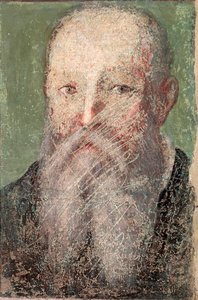
Agnolo Bronzino
1503 - 1572 , Italien
Kurzinfos
- Beeinflusste Künstler:
- Raffaellino del Garbo
- Jacopo Pontormo
- Bemerkenswerte Werke:
- Venus, Amor und Zeit
- Porträts der Medici-Familie
- Geburtsdatum: 17. November 1503
- Geburtsort: Florenz, Italien
- Künstlerischer Stil: Mannerismus
- Nationalität: Italiener
- Todatum: 23. November 1572
- Vollständiger Name: Agnolo Bronzino
- Von Künstlern Beeinflusst:
- Michelangelo
- Raphael
Ähnliche Artikel

Das Familienerbe an die Wand bringen: Wandgemälde als Generationenschatz
Verwandeln Sie Ihre Familiengeschichte in ein beeindruckendes Wandgemälde! Expertenrat & hochwertige Handwerkskunst für einzigartige Kunstwerke, die Generationen verbinden. Entdecken Sie jetzt!

The Enduring Legacy of Fresco Painting: Techniques, History & Contemporary Relevance
Explore the rich history & enduring artistry of fresco painting – from Giotto to Michelangelo! Discover techniques, conservation efforts, & modern applications. Learn how ArtsDot brings this timeless art form to your home.
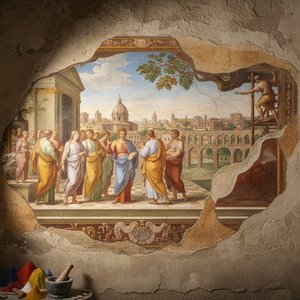
Die bleibende Pracht der Freskomalerei: Technik, Geschichte und künstlerischer Ausdruck
Entdecken Sie die faszinierende Welt der Freskomalerei! Von den Ursprüngen bis zur Renaissance – wir beleuchten Technik, Geschichte und künstlerischen Ausdruck dieser einzigartigen Kunstform. Expertenwissen für Sammler & Liebhaber.

Kunst, die mit Ihnen lebt: Emotionale Kraft individueller Innenraumfresken
Entdecken Sie die emotionale Kraft individueller Innenraumfresken! Expertenberatung & hochwertige Wandmalerei für Hotels, Wohnräume & mehr. – Ihr Partner für einzigartige Kunst.
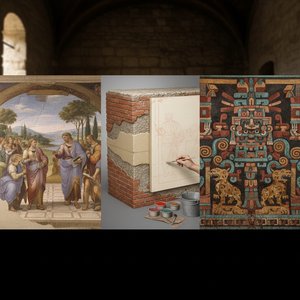
The Enduring Legacy of Fresco: Technique, History & Artistic Expression Across Cultures
Explore the rich history & enduring legacy of fresco painting! Discover ancient techniques, Giotto's masterpieces, and modern applications. Expert insights for art lovers & professionals.