 Vorschau anzeigen
 Versenden
 Teilen
 Details anzeigen

 Herunterladen
 Ähnliche Objekte
 Röntgenaufnahme
 Diashow
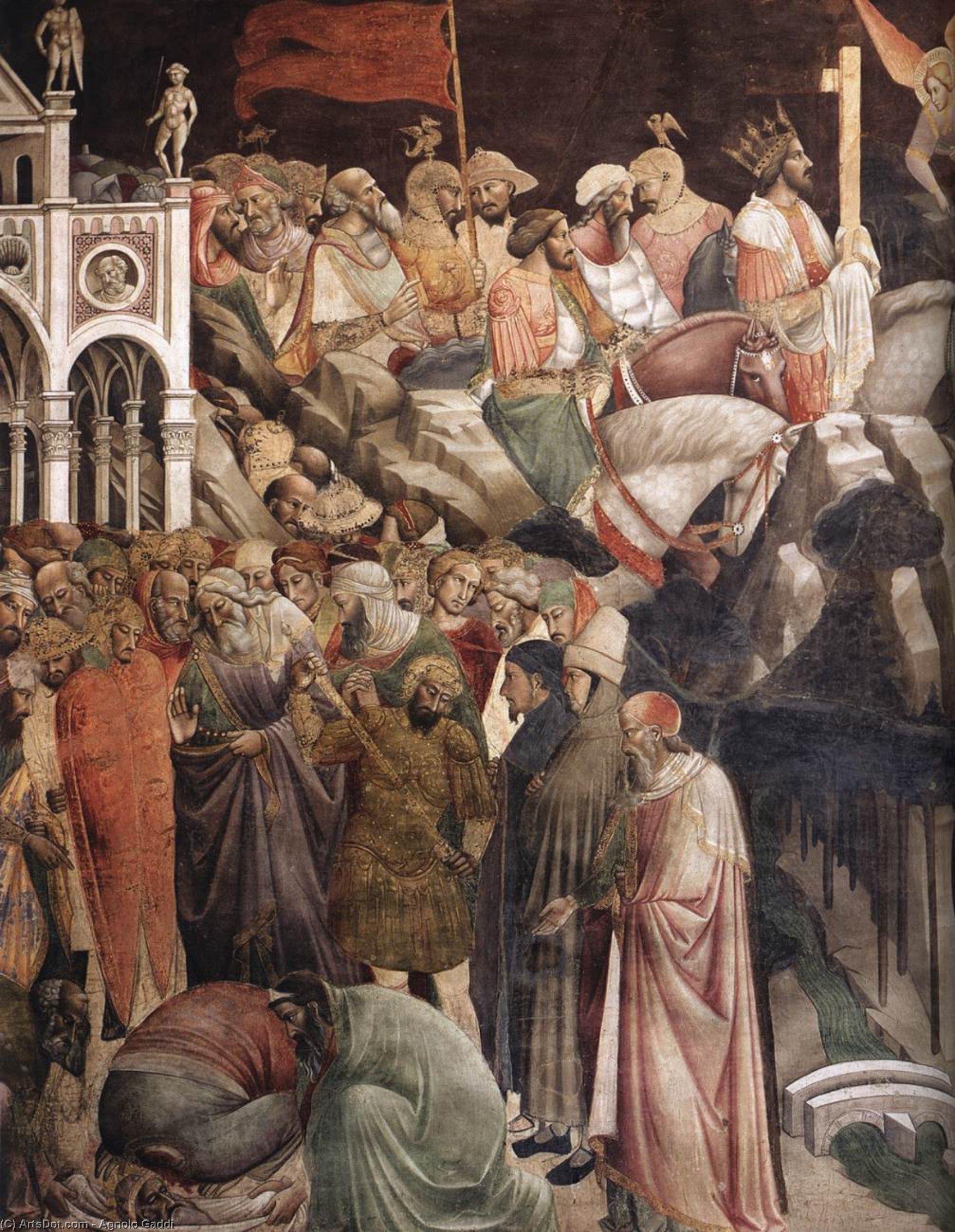
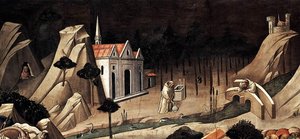
The Triumph of the Cross (detail)


 Weiterlesen
Giclée / Kunstdruck
Giclée- oder Leinwanddruck in Museumsqualität mit schneller Produktion und flexiblen Veredelungsoptionen. ( Handgemalte Reproduktion bestellen Bild kaufen)




P118B $10

P118H $10

P118W $10

P438Z $10

P508JH $12

P508YH $12

P805H $10

P805Z $10

P919BZ $10

P919G $10

P919XJ $10

P959ZH $10

P968JZ $12

W106C $8

W218G $10

W218JH $8

W218Y $10

W307PJ $10

W316G $10

W316PJ $8

W316Y $10

W398PJ $8

W4111J $10

W500HY $15

W500JH $15

W692G $12

W849H $8

W940BG $15

W953PJ $8




Wählen Sie aus unseren vordefinierten Formaten, die den ursprünglichen Proportionen des Kunstwerks entsprechen.

Sie können Ihre eigenen Maße eingeben, um ein bestimmtes Format oder einen speziellen Platz einzupassen. Wenn das von Ihnen gewählte Format nicht den Proportionen des Originalbildes entspricht, werden wir das Kunstwerk entweder beschneiden oder das Bild mit einem gespiegelten oder einfarbigen Rand erweitern. Ein digitaler Entwurf wird Ihnen zur Genehmigung zugesandt, bevor die Produktion beginnt.
Bitte beachten Sie, dass die Vorschau auf dem Bildschirm nicht den tatsächlichen Zuschnitt oder die Erweiterung widerspiegelt. Nur der Entwurf zeigt die endgültige Komposition präzise an.
Obwohl Sondermaße verfügbar sind, empfehlen wir die Auswahl eines Maßes aus der vordefinierten Liste, um die ursprünglichen Proportionen zu bewahren.
Weltweiter Versand () innerhalb von 2 Wochen statt der üblichen 4/5 Wochen. (3 September)

Kostenloser weltweiter Expressversand

Hochwertige Leinenleinwand

Umfassender Versicherungsschutz beim Versand

Zollgebühren-Rückerstattungsgarantie

Garantie für exakte Farbtreue

60 Tage Rückgaberecht (nur bei Mängeln)

100% Geld-zurück-Garantie

Mengenrabatt verfügbar
 Die Glasoption ist nur für Größen unter 110 cm verfügbar.

The Triumph of the Cross (detail)
Giclée / Kunstdruck
Format der Reproduktion
-


Gesamtpreis
$ 62
A Glimpse into Florentine Faith: Agnolo Gaddi’s Triumph of the Cross
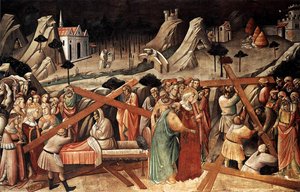
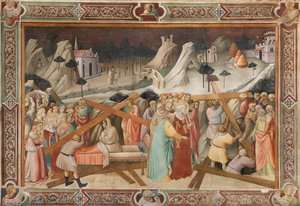
The fresco known as “The Triumph of the Cross,” painted by Agnolo Gaddi around 1380 in the Basilica of Santa Croce in Florence, isn't merely a depiction of a pivotal biblical event; it’s a vibrant window into the artistic and spiritual landscape of early Renaissance Italy. Commissioned for the chapel of San Leonardo, this monumental work embodies the burgeoning humanist spirit while retaining the deeply rooted Gothic traditions that shaped Florentine art during its formative years. Gaddi, as the last major follower of Giotto's style, masterfully bridged the gap between the late medieval and the nascent Renaissance, imbuing his fresco with a sense of dynamic movement and profound emotional resonance.
The scene unfolds with an arresting energy – not a static representation of suffering, but a palpable drama centered around the central cross. The composition is meticulously structured, drawing the viewer’s eye along a carefully orchestrated diagonal from the lower left corner, where figures gather in solemn contemplation, towards the apex of the cross itself. This deliberate arrangement creates a powerful sense of depth and directs our gaze to the heart of the narrative: the moment of Christ's sacrifice. Gaddi’s mastery lies not just in his technical skill but also in his ability to convey the weight of this event through gesture, expression, and the interplay of light and shadow.
A Symphony of Color and Technique
Gaddi’s technique is a fascinating blend of Giotto's naturalism and the emerging innovations of the Renaissance. He employs a vibrant palette – rich reds, deep blues, and earthy greens – to depict the figures and architectural elements with remarkable realism. Notice particularly the subtle gradations of color in the drapery, which create a sense of volume and texture that brings the clothing to life. The fresco’s application is characterized by a delicate layering of pigments, achieved through meticulous glazing techniques—a hallmark of Gaddi's style. This layering allows light to penetrate deeply into the paint surface, producing an astonishing luminosity that seems to emanate from within the figures themselves.
The artist skillfully utilizes *sfumato*, a technique borrowed from Leonardo da Vinci, to soften outlines and create atmospheric effects. This is most evident in the background architecture, where the buildings recede into the distance with a hazy quality, contributing to the fresco’s overall sense of depth and perspective. The use of *chiaroscuro* – the dramatic contrast between light and dark – further enhances the emotional impact of the scene, highlighting key figures and emphasizing the solemnity of the event.
Symbolism and Spiritual Depth
Beyond its technical brilliance, “The Triumph of the Cross” is laden with symbolic meaning. The presence of numerous figures—including saints, angels, and ordinary people—represents the universality of Christ’s sacrifice and its relevance to all humanity. The inclusion of specific details, such as the depiction of Saint Bernard preaching and Saint Catherine of Alexandria offering prayers, underscores the importance of faith and devotion within the Florentine community. The central cross itself is not simply a symbol of death but also of resurrection—a potent reminder of hope and redemption.
The figures are arranged in a carefully choreographed manner, each contributing to the overall narrative. Note how the gestures of the figures – hands raised in prayer, faces filled with sorrow or awe – convey a range of emotions that resonate deeply with the viewer. The artist’s ability to capture these subtle nuances of expression is a testament to his profound understanding of human psychology and his deep-seated faith.
A Legacy of Florentine Art
“The Triumph of the Cross” stands as a pivotal work in the transition from Gothic to Renaissance art. While firmly rooted in the traditions of Giotto, Gaddi’s fresco demonstrates a willingness to experiment with new techniques and approaches— foreshadowing the innovations that would characterize the High Renaissance. It is a testament to the artistic vitality of Florence during this period and a powerful reminder of the enduring power of faith and symbolism. Reproductions of this magnificent fresco offer a captivating glimpse into the heart of Florentine culture and the profound spiritual beliefs that shaped its artistic legacy.
Ähnliche Kunstwerke

Über den Künstler
Agnolo Gaddi: Ein Leben zwischen Gotik und Renaissance
Agnolo Gaddi, geboren um 1350 in Florenz und gestorben am 16. Oktober 1396 ebendort, war ein bedeutender italienischer Maler des späten Mittelalters. Als Sohn von Taddeo Gaddi, einem Schüler Giottos, stand er in einer direkten künstlerischen Linie zu einem der wichtigsten florentinischen Meister seiner Zeit. Er gilt als der letzte große florentinische Maler, der stilistisch noch stark von Giotto beeinflusst war und somit eine Brücke zwischen dem späten Gotik und den Anfängen der Renaissance schlug.
Leben und Ausbildung
Agnolo Gaddi erhielt seine künstlerische Grundausbildung in der Werkstatt seines Vaters, Taddeo Gaddi. Diese Ausbildung umfasste die traditionellen Maltechniken der Zeit und vermittelte ihm ein tiefes Verständnis für religiöse Ikonographie. Er arbeitete zusammen mit seinem Bruder Giovanni an Fresken im Auftrag von Papst Urban V. im Vatikanischen Palast. Um 1381-1387 entwarf er Medaillons für die Loggia dei Lanzi, was seine wachsende Bedeutung in der florentinischen Kunstszene unterstreicht.
Künstlerisches Schaffen und Stil
Gaddis Werk ist geprägt von einer Synthese gotischer Traditionen und ersten Hinweisen auf den sich entwickelnden Renaissance-Stil. Seine Gemälde zeichnen sich durch folgende Merkmale aus:
- Gotische Elemente: Dramatische Lichtführung, detaillierte Texturen und eine starke Betonung religiöser Themen sind charakteristisch für seine frühen Werke.
- Übergang zur Renaissance: Spätere Arbeiten zeigen bereits Anzeichen einer neuen Perspektive und eines stärkeren Interesses an der Darstellung menschlicher Emotionen, was ihn zu einem wichtigen Bindeglied zwischen den Epochen macht.
- Freskenzyklen: Besonders hervorzuheben sind seine umfangreichen Freskenzyklen in Santa Croce, die Szenen aus dem Leben Jesu und des Heiligen Franziskus darstellen. Diese Werke zeugen von seiner Fähigkeit, komplexe narrative Geschichten in großformatigen Gemälden zu erzählen.
- Tafelmalerei: Neben seinen Fresken schuf Gaddi auch zahlreiche Tafelbilder, darunter Madonnenbilder und Heiligenikonen, die sich heute in verschiedenen Museen und Sammlungen befinden.
Bedeutende Werke
- Fresken in Santa Croce, Florenz: Die umfangreichen Freskenzyklen in der Hauptchorkapelle (Cappella Maggiore) zeigen Szenen aus dem Leben des Heiligen Franziskus und sind ein zentrales Werk seines Schaffens.
- "Madonna Enthroned with Saint and Angels": Dieses Tafelbild, entstanden um 1380, zeigt eine typische Darstellung der Jungfrau Maria mit Heiligen und Engeln und ist ein Beispiel für seine meisterhafte Technik.
- "Legends of the True Cross": Dieser Freskenzyklus in Santa Croce erzählt die Geschichte des Wahren Kreuzes und gilt als eines seiner bedeutendsten Werke.
- Medaillons für die Loggia dei Lanzi: Die Entwürfe für die Medaillons, die die vier Kardinaltugenden darstellen, zeugen von seinem Talent für dekorative Kunst.
Einfluss und Vermächtnis
Agnolo Gaddi hinterließ ein bedeutendes künstlerisches Erbe. Seine Schüler, darunter Cennino Cennini, der Autor des einflussreichen Kunsttraktats "Libro dell'arte", trugen dazu bei, seine Techniken und Ideen weiterzugeben. Giorgio Vasari würdigte ihn in seinen "Leben der berühmtesten Maler, Bildhauer und Architekten" als einen bedeutenden Künstler seiner Zeit. Obwohl er im Schatten seines Vaters und Giotto steht, wird Agnolo Gaddi heute zunehmend für seine künstlerische Leistung anerkannt und als ein wichtiger Vertreter des Übergangs von der Gotik zur Renaissance gewürdigt.
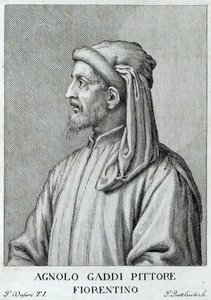
Agnolo Gaddi
1350 - 1396 , Italien
Kurzinfos
- Beeinflusste Künstler:
- Giotto di Bondone
- Taddeo Gaddi
- Bemerkenswerte Werke:
- Fresken in Santa Croce
- Maria Thronende mit Heiligen
- Legenden vom Wahren Kreuz
- Madonna der Demut
- Geburtsdatum: ca. 1350
- Geburtsort: Florenz, Italien
- Künstlerischer Stil: Gotik, Frührenaissance
- Nationalität: Italiener
- Todestag: 1396
- Vollständiger Name: Agnolo Gaddi
- Von Künstlern Beeinflusst: ['Cennino Cennini']
Ähnliche Artikel

Das Familienerbe an die Wand bringen: Wandgemälde als Generationenschatz
Verwandeln Sie Ihre Familiengeschichte in ein beeindruckendes Wandgemälde! Expertenrat & hochwertige Handwerkskunst für einzigartige Kunstwerke, die Generationen verbinden. Entdecken Sie jetzt!

The Enduring Legacy of Fresco Painting: Techniques, History & Contemporary Relevance
Explore the rich history & enduring artistry of fresco painting – from Giotto to Michelangelo! Discover techniques, conservation efforts, & modern applications. Learn how ArtsDot brings this timeless art form to your home.

The Enduring Legacy of Fresco: Technique, History & Artistic Expression Across Cultures
Explore the rich history & enduring legacy of fresco painting! Discover ancient techniques, Giotto's masterpieces, and modern applications. Expert insights for art lovers & professionals.

Kunst, die mit Ihnen lebt: Emotionale Kraft individueller Innenraumfresken
Entdecken Sie die emotionale Kraft individueller Innenraumfresken! Expertenberatung & hochwertige Wandmalerei für Hotels, Wohnräume & mehr. – Ihr Partner für einzigartige Kunst.
Die bleibende Pracht der Freskomalerei: Technik, Geschichte und künstlerischer Ausdruck
Entdecken Sie die faszinierende Welt der Freskomalerei! Von den Ursprüngen bis zur Renaissance – wir beleuchten Technik, Geschichte und künstlerischen Ausdruck dieser einzigartigen Kunstform. Expertenwissen für Sammler & Liebhaber.