 Vorschau anzeigen
 Versenden
 Teilen
 Details anzeigen

 Herunterladen
 Ähnliche Objekte
 Röntgenaufnahme
 Diashow
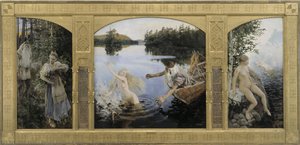
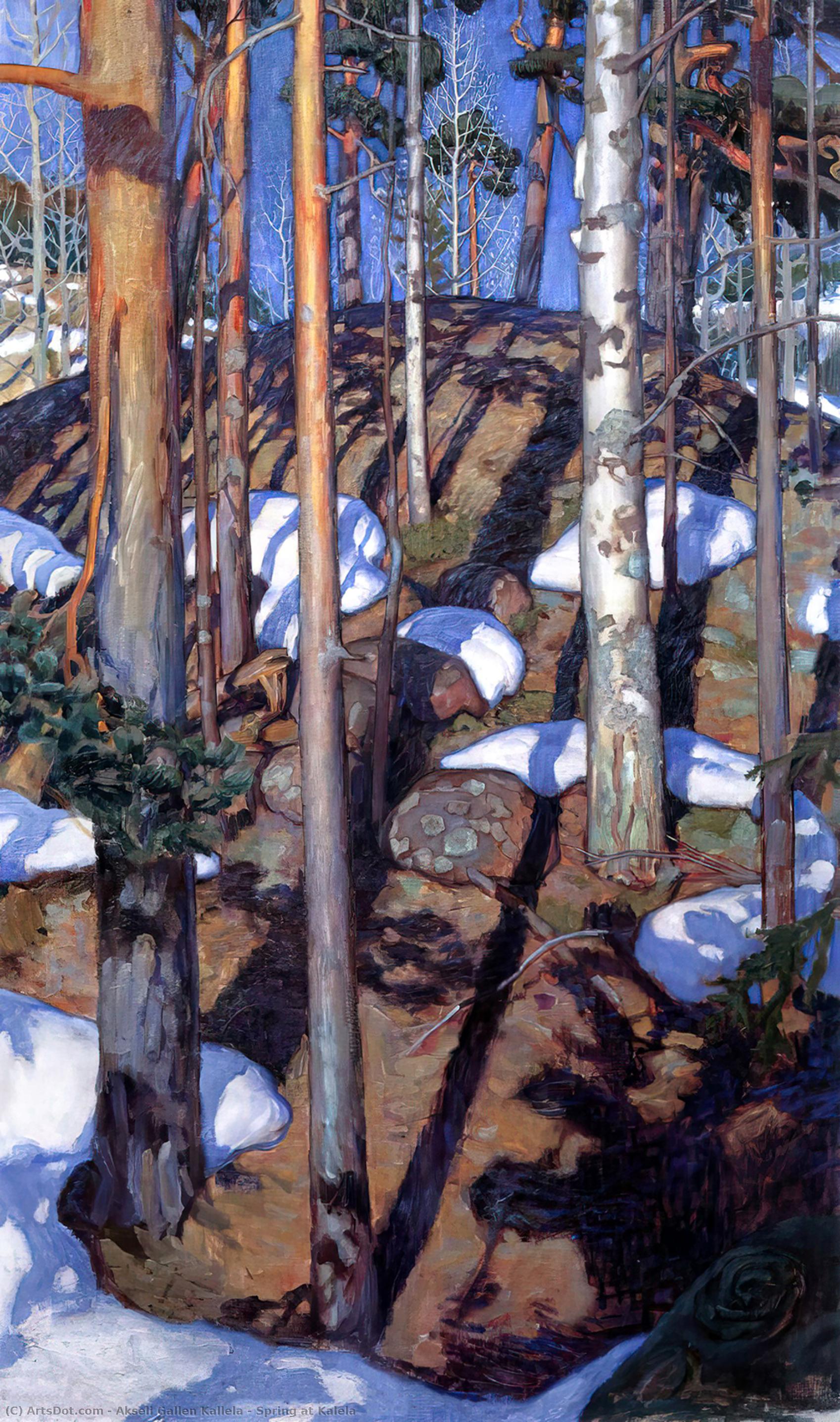
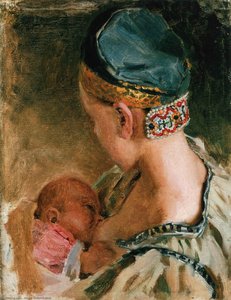
Spring at Kalela


 Weiterlesen
Giclée / Kunstdruck
Giclée- oder Leinwanddruck in Museumsqualität mit schneller Produktion und flexiblen Veredelungsoptionen. ( Handgemalte Reproduktion bestellen Bild kaufen)




P118B $10

P118H $10

P118W $10

P438Z $10

P508JH $12

P508YH $12

P805H $10

P805Z $10

P919BZ $10

P919G $10

P919XJ $10

P959ZH $10

P968JZ $12

W106C $8

W218G $10

W218JH $8

W218Y $10

W307PJ $10

W316G $10

W316PJ $8

W316Y $10

W398PJ $8

W4111J $10

W500HY $15

W500JH $15

W692G $12

W849H $8

W940BG $15

W953PJ $8




Wählen Sie aus unseren vordefinierten Formaten, die den ursprünglichen Proportionen des Kunstwerks entsprechen.

Sie können Ihre eigenen Maße eingeben, um ein bestimmtes Format oder einen speziellen Platz einzupassen. Wenn das von Ihnen gewählte Format nicht den Proportionen des Originalbildes entspricht, werden wir das Kunstwerk entweder beschneiden oder das Bild mit einem gespiegelten oder einfarbigen Rand erweitern. Ein digitaler Entwurf wird Ihnen zur Genehmigung zugesandt, bevor die Produktion beginnt.
Bitte beachten Sie, dass die Vorschau auf dem Bildschirm nicht den tatsächlichen Zuschnitt oder die Erweiterung widerspiegelt. Nur der Entwurf zeigt die endgültige Komposition präzise an.
Obwohl Sondermaße verfügbar sind, empfehlen wir die Auswahl eines Maßes aus der vordefinierten Liste, um die ursprünglichen Proportionen zu bewahren.
Weltweiter Versand () innerhalb von 2 Wochen statt der üblichen 4/5 Wochen. (21 August)

Kostenloser weltweiter Expressversand

Hochwertige Leinenleinwand

Umfassender Versicherungsschutz beim Versand

Zollgebühren-Rückerstattungsgarantie

Garantie für exakte Farbtreue

60 Tage Rückgaberecht (nur bei Mängeln)

100% Geld-zurück-Garantie

Mengenrabatt verfügbar
 Die Glasoption ist nur für Größen unter 110 cm verfügbar.

Spring at Kalela
Giclée / Kunstdruck
Format der Reproduktion
-


Gesamtpreis
$ 62
Sammlerstück-Beschreibung
Akseli Gallen-Kallela: Shaping Finnish Identity Through National Romanticism & Symbolism
Akseli Gallen-Kallela (born Axel Waldemar Gallén; 26 April 1865 – 7 March 1931) was a Finnish painter who is best known for his illustrations of the Kalevala, the Finnish national epic. His work is considered a very important aspect of the Finnish national identity. He finnicized his name from Gallén to Gallen-Kallela in 1907.- A Life Woven into the Finnish Soul
- Early Life and Parisian Influences
- The Kalevala Project: A National Vision
- Stylistic Characteristics: National Romanticism
- Technique and Texture: Impasto and Atmospheric Perspective
A Life Woven into the Finnish Soul
Gallen-Kallela’s journey began in Pori, Finland, amidst a burgeoning cultural movement striving to define its own artistic voice. Raised in a Swedish-speaking family—a reflection of Finland's societal landscape at the time—his formative years instilled within him a dual perspective: European sophistication tempered by an unwavering connection to his homeland’s traditions and folklore. This tension fueled his ambition to transcend mere imitation, aiming instead for a synthesis that honored both heritage and innovation. His decision to pursue artistic studies in Paris marked a pivotal moment, exposing him to the vanguard of European art movements while simultaneously nurturing his yearning for the landscapes and myths of Finland.Early Life and Parisian Influences
Initially hesitant about embracing Finnish culture due to familial expectations, Gallen-Kallela’s artistic spirit ultimately propelled him toward Paris in 1884. The Académie Julian provided invaluable exposure to influential artists like Albert Edelfelt, fostering friendships that broadened his horizons and solidified his commitment to honing his craft. This Parisian period wasn't merely about stylistic absorption; it was a crucible of intellectual debate and emotional discovery—a crucial step in shaping the artist’s worldview and informing his future creative endeavors. The encounter with Impressionism subtly altered his approach, encouraging him to prioritize capturing fleeting moments of light and atmosphere alongside meticulous observation of detail.The Kalevala Project: A National Vision
Gallen-Kallela's artistic career gained significant momentum when he undertook the monumental task of illustrating the Kalevala—Finland’s epic poem recounting tales of heroes, gods, and mythical landscapes. This ambitious project served as a powerful catalyst for expressing his profound belief in Finnish identity and cultural heritage. Recognizing the importance of visual storytelling in shaping national consciousness, Gallen-Kallela meticulously researched folklore and mythology, translating ancient narratives into evocative paintings that resonated deeply with the Finnish people. The Kalevala illustrations became synonymous with Finnish Romanticism, embodying its core values of heroism, spirituality, and reverence for nature.Stylistic Characteristics: National Romanticism
Gallen-Kallela’s artistic style firmly established itself within the framework of National Romanticism—a movement characterized by an idealized depiction of rural Finland and a preoccupation with folklore and mythology. Rejecting academic conventions, he embraced expressive brushstrokes and vibrant colors to convey emotion and imagination. His canvases pulsated with vitality, capturing not just visual accuracy but also the intangible spirit of Finnish landscapes and legends. Gallen-Kallela’s compositions often featured dramatic vistas—towering pines silhouetted against snow-laden skies—designed to inspire awe and contemplation.Technique and Texture: Impasto and Atmospheric Perspective
Gallen-Kallela's mastery of technique was particularly evident in his use of impasto—a thick application of paint that created a palpable textural surface—and atmospheric perspective—a subtle manipulation of color and tonal gradation to simulate depth. He meticulously layered oil paints, building up ridges and peaks on the canvas to imbue his paintings with a sense of physicality and immediacy. Simultaneously, he skillfully employed atmospheric perspective, diminishing the intensity of colors in distant objects to convey the grandeur of Finnish wilderness. This combination of textural richness and visual illusion powerfully communicated the artist’s vision—a celebration of Finland's natural beauty and its enduring cultural heritage. The resulting artwork is a testament to Gallen-Kallela’s dedication to capturing not just what he saw but also how it felt, cementing his legacy as one of Finland’s most influential painters.Ähnliche Kunstwerke

Über den Künstler
Frühes Leben und Karriere
Akseli Gallen-Kallela, ein renommierter finnischer Maler, wurde am 26. April 1865 in Pori, Finnland, geboren. Seine frühen Jahre waren geprägt von einer schwedischsprachigen Familie, und sein Name war zunächst Axel Waldemar Gallén. Er finnisierte seinen Namen später 1907 in Akseli Gallen-Kallela.Künstlerische Beiträge
Gallen-Kallelas Werk ist am besten bekannt für seine Illustrationen des Kalevala, dem finnischen Nationalepos. Seine Beiträge zur finnischen Kunst gelten als ein entscheidender Aspekt der nationalen Identität des Landes. Zu seinen bemerkenswertesten Werken gehören:- Die Verteidigung der Sampo (1897), ein Gemälde, das seine Fähigkeit zeigt, die Essenz des Kalevala einzufangen.
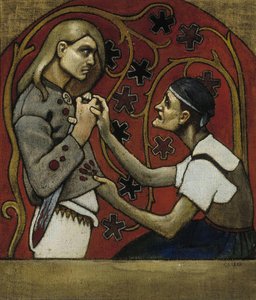
- Lemminkäinens Mutter (1893), eine ergreifende Darstellung einer Figur aus dem Kalevala, die Gallen-Kallelas Fähigkeit hervorhebt, Emotionen durch seine Kunst hervorzurufen.
- Kullervos Fluch (1893), ein weiteres Kalevala-inspiriertes Werk, das Gallen-Kallelas Meisterschaft in der Vermittlung der Komplexität des Epos demonstriert.
Entwicklung und Einflüsse
Gallen-Kallela entwickelte seinen Stil im Laufe seiner Karriere weiter. Anfänglich beeinflusst vom Realismus und Impressionismus, wandte er sich zunehmend dem Nationalromantik zu, inspiriert von der finnischen Folklore und Natur. Er war ein Pionier in der Verwendung von Symbolik und vereinfachten Formen, die an das Jugendstil erinnern. Seine Reisen nach Frankreich und Deutschland trugen ebenfalls zur Entwicklung seines künstlerischen Ausdrucks bei. Wichtige Einflüsse waren unter anderem die Werke von Arnold Böcklin und Aubrey Beardsley. Er war auch ein Verfechter des finnischen Nationalismus und nutzte seine Kunst, um das Bewusstsein für die finnische Kultur zu schärfen.Museale Bedeutung und Vermächtnis
Gallen-Kallelas Werk ist in verschiedenen Museen zu finden, darunter:- Das Kunstmuseum Ateneum (Helsinki, Finnland), das mehrere seiner Gemälde wie Großer Schwarzspecht und Der Brudermord zeigt.
- Die Finnische Nationalgalerie, wo seine Werke Teil der Sammlung sind und seinen Einfluss auf die finnische Kunst demonstrieren.
Zusätzliche Informationen
- Erfahren Sie mehr über Gallen-Kallelas Werke auf Akseli Gallen-Kallela | ArtsDot.
- Entdecken Sie die finnische Nationalgalerie mit Gallen-Kallelas Werken unter Suomen Kansallisgalleria | ArtsDot.
- Lesen Sie mehr über das Kalevala und seinen Einfluss auf die finnische Kultur auf Wikipedia.
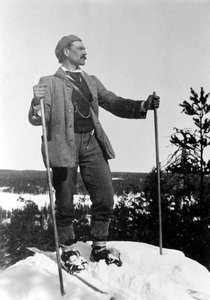
Akseli Gallen-Kallela
1865 - 1931 , Finnland
Kurzinfos
- Bemerkenswerte Werke:
- Die Verteidigung des Sampo
- Lemminkäisens Mutter
- Kullervos Fluch
- Geburtsdatum: 26. April 1865
- Geburtsort: Pori, Finnland
- Kunstbewegung: Nationalromantik
- Nationalität: Finnisch
- Sterbedatum: 1931
- Vollständiger Name: Akseli Gallen-Kallela
Ähnliche Artikel
Akseli Gallen-Kallela: Die Gestaltung finnischer Identität durch Nationalromantik und Symbolismus
Entdecken Sie Akseli Gallen-Kallelas wegweisende Kunst und ihren Einfluss auf die finnische Identität! Erfahren Sie mehr über Nationalromantik, Symbolismus & das Kalevala-Epos. Expertenwissen auf ArtsDot.

Evocations of Place: A Historical Journey Through Landscape Art
Explore the rich history of landscape art with ArtsDot. Discover renowned artists, movements like Impressionism & Romanticism, and expert guidance for collecting timeless pieces. Find your perfect serene escape today!

Romantische Landschaften: Die 10 Meisterwerke, die eine Epoche prägten | ArtsDot
Entdecken Sie die 10 Meisterwerke der Romantischen Landschaftsmalerei! Von Caspar David Friedrich bis Turner – erleben Sie die Kunst, Emotion & Natur. Hochwertige Reproduktionen auf ArtsDot.com

Evocations of Place: A Historical Journey Through Landscape Art
Explore the rich history of landscape art with ArtsDot. Discover renowned artists, movements like Impressionism & tonalism, and expert guidance for collecting timeless pieces. Find your perfect serene escape today!

John Constable: Die 25 Meisterwerke des englischen Landschaftsgenies – ArtsDot
Entdecken Sie die 25 Meisterwerke von John Constable! Erleben Sie englische Landschaftsmalerei vom Hay Wain bis zur Stour Valley. Hochwertige Reproduktionen & Kunst für Ihr Zuhause auf ArtsDot.com.