 Vorschau anzeigen
 Versenden
 Teilen
 Details anzeigen

 Herunterladen
 Ähnliche Objekte
 Röntgenaufnahme
 Diashow
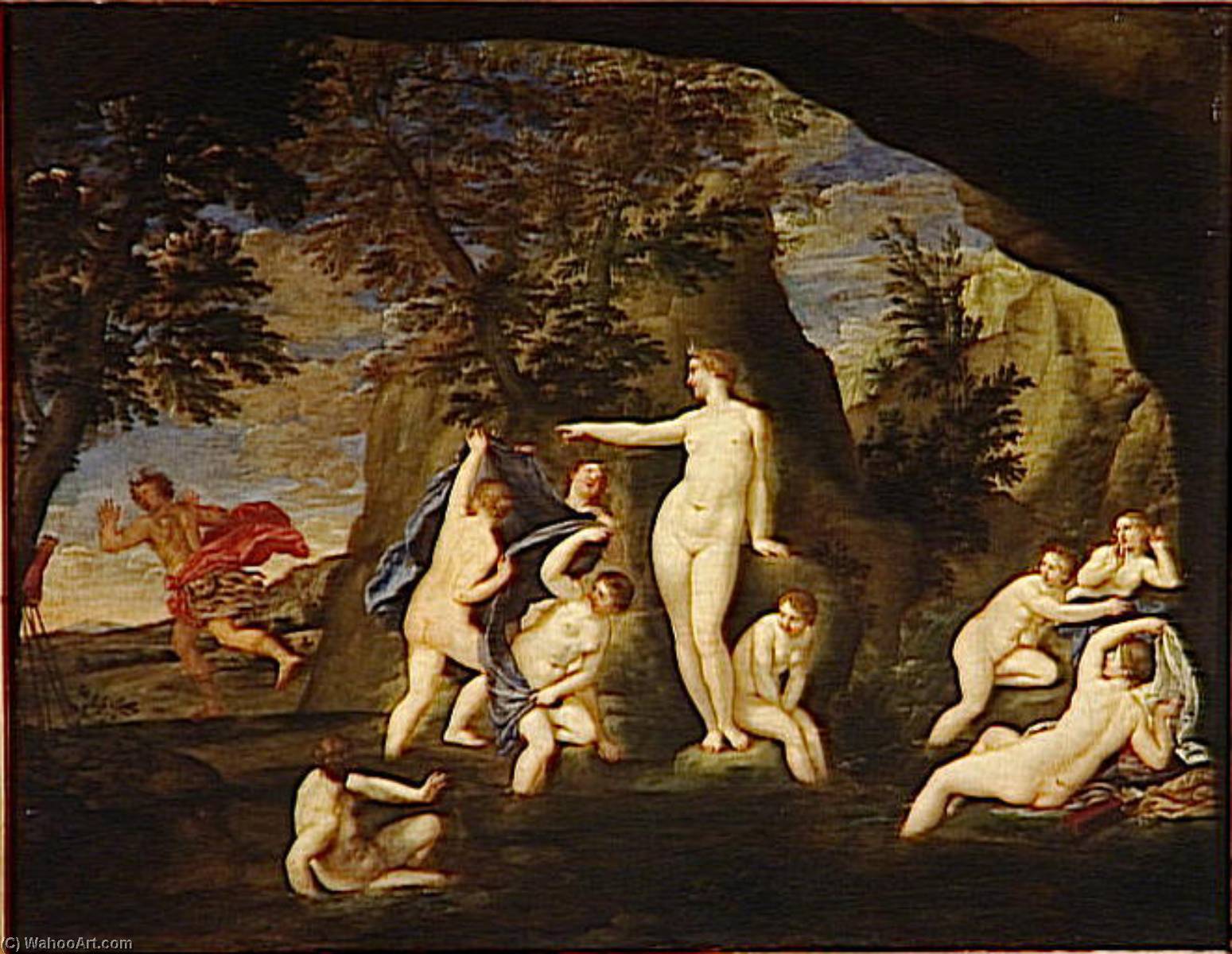
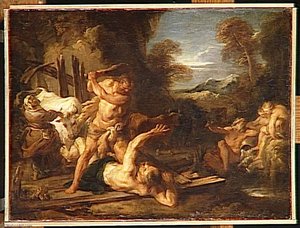
ACTEON METAMORPHOSE EN CERF


 Weiterlesen
Handgefertigte Ölreproduktion
Handgemaltes Ölgemälde auf Leinwand in Ihrer Wunschgröße und mit Rahmen, auf Bestellung von unseren Künstlern angefertigt. ( Druck bestellen Bild kaufen)




P118B $10

P118H $10

P118W $10

P438Z $10

P508JH $12

P508YH $12

P805H $10

P805Z $10

P919BZ $10

P919G $10

P919XJ $10

P959ZH $10

P968JZ $12

W106C $8

W218G $10

W218JH $8

W218Y $10

W307PJ $10

W316G $10

W316PJ $8

W316Y $10

W398PJ $8

W4111J $10

W500HY $15

W500JH $15

W692G $12

W849H $8

W940BG $15

W953PJ $8




Wählen Sie aus unseren vordefinierten Formaten, die den ursprünglichen Proportionen des Kunstwerks entsprechen.

Sie können Ihre eigenen Maße eingeben, um einen bestimmten Rahmen oder Platz auszufüllen. Wenn die gewählte Größe nicht den Proportionen des Originalbildes entspricht, werden wir das Kunstwerk entweder beschneiden oder das Gemälde durch zusätzliche, handgemalte Elemente erweitern. Ein digitales Mockup wird Ihnen zur Genehmigung zugesandt, bevor die Produktion beginnt.
Bitte beachten Sie, dass die Bildschirmvorschau nicht die tatsächliche Beschneidung oder Erweiterung widerspiegelt. Nur das Mockup zeigt die endgültige Komposition exakt an.
Obwohl Sondermaße verfügbar sind, empfehlen wir, eine Größe aus der vordefinierten Liste zu wählen, um die ursprünglichen Proportionen beizubehalten.
Nach der Bestellung wird das ArtsDot.com-Team dem Kunden Anweisungen per E-Mail zusenden und eine Mockup-Vorschau bereitstellen.
Weltweiter Versand () in nur 3 bis 4 Wochen statt der üblichen 5 Wochen. (20 August). Keine Kompromisse bei der Qualität.

Kostenloser weltweiter Expressversand

Hochwertige Leinenleinwand

Umfassender Versicherungsschutz beim Versand

Zollgebühren-Rückerstattungsgarantie

Garantie für exakte Farbtreue

60 Tage Rückgaberecht (nur bei Mängeln)

100% Geld-zurück-Garantie

Mengenrabatt verfügbar
 Die Glasoption ist nur für Größen unter 110 cm verfügbar.

ACTEON METAMORPHOSE EN CERF
Art der Reproduktion
Format der Reproduktion
-


Gesamtpreis
$ 438
Beschreibung des Kunstwerks
A Dramatic Transformation: Francesco Albani’s “Actéon Métamorphosé en Cerf”
Francesco Albani's "Actéon Métamorphosé en Cerf" (Actaeon Transformed into a Stag), painted around 1640, is more than just a depiction of a classical myth; it’s a potent visual poem exploring themes of divine retribution, the transgression of boundaries, and the poignant beauty of transformation. The painting, now housed within the Louvre's collection in Salle 716, immediately commands attention with its dynamic composition and masterful use of chiaroscuro – the dramatic interplay of light and shadow that defines Baroque artistry. Albani, a key figure in the Bolognese school of painting, expertly blends elements of classical idealism with the heightened emotionalism characteristic of his era, creating an artwork brimming with narrative force and subtle psychological depth.
The scene unfolds within a densely wooded landscape, rendered not as a realistic wilderness but rather as a carefully constructed stage for this pivotal moment. At the heart of the composition stands Actaeon, the hunter who, in a moment of impulsive curiosity, glimpsed Diana (Artemis) bathing in a sacred grove. As punishment for his transgression – a violation of the sacred space and an unwelcome intrusion into the goddess’s privacy – he is transformed into a stag, destined to be hunted and killed by his own hounds. The figures surrounding him—Nymphs, Diana herself radiating authority and sorrow, and the horrified hounds—are arranged with a deliberate asymmetry that mirrors the chaotic nature of the event itself. Albani doesn't shy away from depicting the raw emotion of the moment; Actaeon’s expression is one of bewildered terror, while Diana’s gesture – a pointed finger directed towards the stag – conveys both judgment and a profound sense of loss.
Baroque Drama and Technical Mastery
Albani's technical skill is immediately evident in the painting’s rich textures and vibrant colors. He employs oil paints on canvas with remarkable precision, layering brushstrokes to create a palpable sense of volume and depth. The drapery of the figures flows with an almost liquid quality, while the foliage bursts forth with intricate detail. Crucially, Albani masterfully utilizes *chiaroscuro*, employing strong contrasts between light and shadow to sculpt the forms and heighten the drama. Light dramatically illuminates Actaeon’s transformed body, emphasizing his vulnerability and highlighting the horror of his fate. The darker tones surrounding him create a sense of foreboding and underscore the severity of the punishment.
The painting's composition is further enhanced by Albani’s skillful use of perspective. While not strictly adhering to linear perspective, he creates an illusion of depth through the layering of figures and the strategic placement of elements in the background. The rock formation on the right side acts as a visual anchor, drawing the eye towards Actaeon's plight while simultaneously contributing to the overall sense of drama. Albani’s attention to detail extends beyond mere representation; he imbues the scene with a palpable atmosphere of tension and impending doom.
Symbolism and Mythological Resonance
“Actéon Métamorphosé en Cerf” is deeply rooted in classical mythology, drawing upon a well-established narrative from Ovid’s *Metamorphoses*. The story serves as an allegory for the dangers of unchecked curiosity and the consequences of violating sacred boundaries. Diana represents divine authority and the sanctity of nature, while Actaeon embodies human fallibility and the potential for transgression. The stag itself becomes a potent symbol of transformation – a creature both familiar and alien, representing the irreversible change brought about by divine punishment.
Beyond its mythological framework, the painting resonates with broader themes of loss, regret, and the acceptance of fate. Actaeon’s transformation is not merely a physical one; it represents a profound psychological shift – a descent into animalistic instinct and a permanent separation from his former human existence. The overall mood is melancholic, reflecting the tragic consequences of a single, impulsive act. Albani's ability to convey such complex emotions through a relatively simple narrative underscores the enduring power of classical mythology.
A Timeless Masterpiece for Collectors and Designers
“Actéon Métamorphosé en Cerf” remains a captivating work of art centuries after its creation, offering a glimpse into the artistic sensibilities of the Baroque period. Its dramatic composition, masterful technique, and profound symbolism continue to resonate with viewers today. Reproductions of this iconic painting are highly sought after by collectors and interior designers alike, who appreciate its ability to infuse any space with a sense of grandeur, drama, and timeless beauty. The painting’s rich colors and evocative imagery make it an ideal choice for creating sophisticated and emotionally resonant environments.
Ähnliche Kunstwerke
Über den Künstler
Albani Francesco, auch bekannt als l'Albane, war ein herausragender italienischer Maler, geboren im Jahr 1578 und tätig bis zu seinem Tod im Jahre 1660. Er war eine Schlüsselfigur in der Entwicklung der barocken Malerei in Italien, besonders in Rom.
Frühes Leben und Ausbildung
Francesco Albani wurde in Bologna, Italien, in eine Künstlerfamilie hineingeboren. Sein Vater, Daniele Albani, war Maler, und sein Onkel, Giovanni Paolo Cavagna, ein renommierter Künstler. Francescos frühe Ausbildung fand im Atelier von Denzio Ferrari statt, wo er die Grundlagen der Malerei erlernte. Später zog er nach Rom, um unter der Anleitung von Guidobaldo Gandolfi zu studieren.Künstlerische Karriere
Albanis künstlerisches Schaffen zeichnete sich durch seinen einzigartigen Stil aus, der Elemente des Barock und der klassischen Kunst miteinander verschmolz. Er war bekannt für seine wunderschönen und zarten Darstellungen mythologischer und biblischer Szenen. Zu seinen berühmtesten Werken zählt Die Toilette der Venus, ein Gemälde, das sein Können darin unter Beweis stellt, die Schönheit der menschlichen Form einzufangen. Zu Albani's bemerkenswerten Werken gehören:- Die Taufe Christi, ein Gemälde, das seine Fähigkeit demonstriert, Emotion und Drama zu vermitteln.
- St. Sebastian, ein Werk, das seine Beherrschung von Licht und Schatten hervorhebt.
- Die Jungfrau und das Kind mit dem heiligen Johannes dem Täufer, ein Gemälde, das sein Können in der Erfassung der Nuancen menschlicher Ausdrucks vermittelt.
Einfluss und Vermächtnis
Albanis Einfluss auf die Entwicklung der barocken Malerei in Italien war signifikant. Er war einer der ersten Künstler, der die Verwendung von Chiaroscuro einführte, einer Technik, die den Kontrast zwischen Licht und Dunkel betont. Sein Werk wirkte auch auf die Entwicklung der Landschaftsmalerei, da er oft natürliche Szenen in seine Kompositionen einfließen ließ. Heute sind Albani's Gemälde in verschiedenen Museen zu finden, darunter das Musée du Louvre in Paris, wo seine Toilette der Venus ausgestellt ist. Sein Werk wurde auch auf ArtsDot.com präsentiert, wo Kunstliebhaber mehr über sein Leben und seine künstlerischen Errungenschaften erfahren können.Fazit
Francesco Albani war ein begabter Maler, der einen unvergesslichen Eindruck in die Welt der Kunst hinterließ. Sein einzigartiger Stil, der Elemente des Barock und der klassischen Kunst vereinte, inspiriert Künstler bis heute. Durch sein Werk können wir die Schönheit und das Drama der menschlichen Form sowie die Bedeutung von Licht und Schatten bei der Schaffung eines Gefühls von Tiefe und Emotion würdigen. Für weitere Informationen über Albani's Leben und Werk besuchen Sie ArtsDot.com oder sehen Sie sich seine Biografie auf Wikipedia an.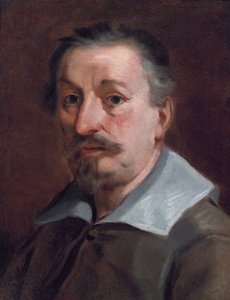
Francesco Albani (L'Albane)
1578 - 1660 , Italien
Ähnliche Artikel

Barocke Pracht: Wie Sie Opulenz und Emotionen in zeitgenössische Innenräume bringen
Entdecken Sie die Pracht des Barock! Expertenratgeber für luxuriöse Innenräume mit barocken Elementen. Inspiration, Tipps & hochwertige Kunst bei .

The Dramatic Flourish: Exploring the Baroque Movement's Enduring Legacy in Art History
Explore the dramatic world of Baroque art! Discover iconic artists like Caravaggio & Rubens, defining techniques, and its lasting impact on art history. Expert insights for collectors & enthusiasts at ArtsDot.

Barock Meisterwerke: Die 10 prägendsten Kunstwerke für Ihr Zuhause |
Entdecken Sie die 10 prägendsten Meisterwerke des Barock! Caravaggio, Rembrandt & Co. – Erfahren Sie die Geschichten hinter ikonischen Gemälde und finden Sie hochwertige Kunst Reproduktionen für Ihr Zuhause auf .
Echoes of Olympus: Mythological Narratives in Western Art Through the Ages
Explore the captivating history of mythological narratives in Western art! From ancient Greece to modern masterpieces, discover iconic artworks & symbolism. Expert analysis and high-quality reproductions at ArtsDot.

The Visceral Stage: Exploring Dramatic Narratives & Emotional Intensity in Baroque Art
Explore the dramatic world of Baroque art! Discover iconic masters like Caravaggio & Rembrandt, their techniques, and the movement's lasting impact. Expert insights for collectors & enthusiasts at ArtsDot.