 Vorschau anzeigen
 Versenden
 Teilen
 Details anzeigen

 Herunterladen
 Ähnliche Objekte
 Röntgenaufnahme
 Diashow
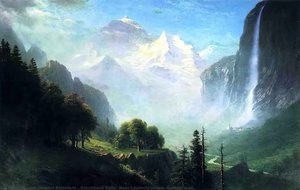
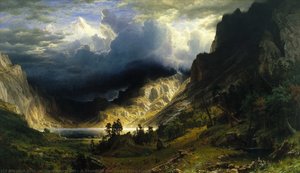
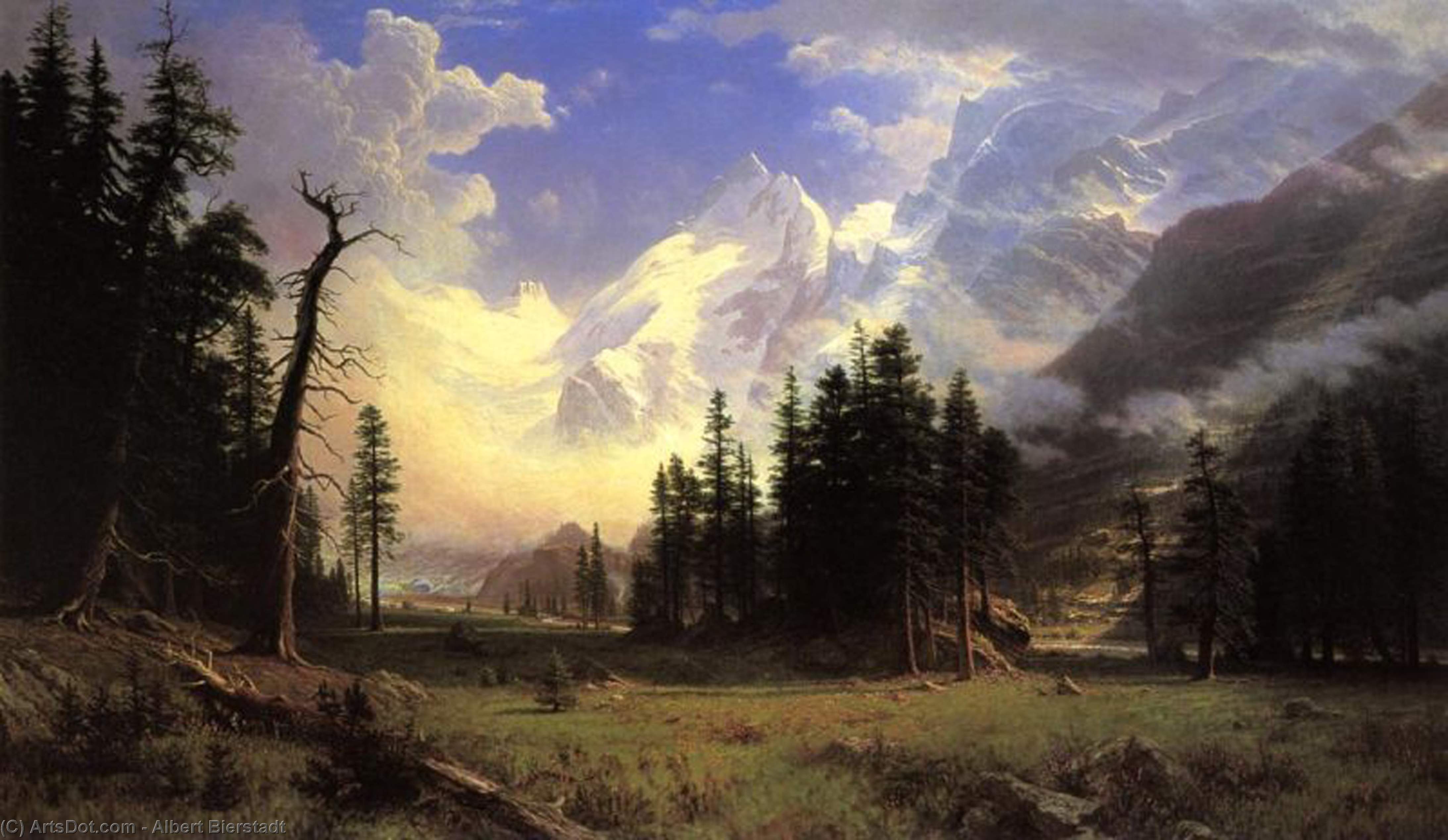
The Morteratsch Glacier, Upper Engadine Valley, Pontresina


 Weiterlesen
Handgefertigte Ölreproduktion
Handgemaltes Ölgemälde auf Leinwand in Ihrer Wunschgröße und mit Rahmen, auf Bestellung von unseren Künstlern angefertigt. ( Druck bestellen Bild kaufen)




P118B $10

P118H $10

P118W $10

P438Z $10

P508JH $12

P508YH $12

P805H $10

P805Z $10

P919BZ $10

P919G $10

P919XJ $10

P959ZH $10

P968JZ $12

W106C $8

W218G $10

W218JH $8

W218Y $10

W307PJ $10

W316G $10

W316PJ $8

W316Y $10

W398PJ $8

W4111J $10

W500HY $15

W500JH $15

W692G $12

W849H $8

W940BG $15

W953PJ $8




Wählen Sie aus unseren vordefinierten Formaten, die den ursprünglichen Proportionen des Kunstwerks entsprechen.

Sie können Ihre eigenen Maße eingeben, um einen bestimmten Rahmen oder Platz auszufüllen. Wenn die gewählte Größe nicht den Proportionen des Originalbildes entspricht, werden wir das Kunstwerk entweder beschneiden oder das Gemälde durch zusätzliche, handgemalte Elemente erweitern. Ein digitales Mockup wird Ihnen zur Genehmigung zugesandt, bevor die Produktion beginnt.
Bitte beachten Sie, dass die Bildschirmvorschau nicht die tatsächliche Beschneidung oder Erweiterung widerspiegelt. Nur das Mockup zeigt die endgültige Komposition exakt an.
Obwohl Sondermaße verfügbar sind, empfehlen wir, eine Größe aus der vordefinierten Liste zu wählen, um die ursprünglichen Proportionen beizubehalten.
Nach der Bestellung wird das ArtsDot.com-Team dem Kunden Anweisungen per E-Mail zusenden und eine Mockup-Vorschau bereitstellen.
Weltweiter Versand () in nur 3 bis 4 Wochen statt der üblichen 5 Wochen. (22 August). Keine Kompromisse bei der Qualität.

Kostenloser weltweiter Expressversand

Hochwertige Leinenleinwand

Umfassender Versicherungsschutz beim Versand

Zollgebühren-Rückerstattungsgarantie

Garantie für exakte Farbtreue

60 Tage Rückgaberecht (nur bei Mängeln)

100% Geld-zurück-Garantie

Mengenrabatt verfügbar
 Die Glasoption ist nur für Größen unter 110 cm verfügbar.

The Morteratsch Glacier, Upper Engadine Valley, Pontresina
Art der Reproduktion
Format der Reproduktion
-


Gesamtpreis
$ 263
Beschreibung des Kunstwerks
A Majestic Vision of the Alps: Bierstadt’s “The Morteratsch Glacier”
Albert Bierstadt's "The Morteratsch Glacier, Upper Engadine Valley, Pontresina" is more than just a landscape painting; it’s a meticulously crafted portal into the heart of the American West – and, in this case, a stunningly realized depiction of the Swiss Alps. Completed in 1895, the monumental canvas captures a fleeting moment of sublime beauty within the dramatic grandeur of the Bernina Range, showcasing Bierstadt's mastery of Luminism and his profound understanding of capturing atmospheric perspective and emotional resonance. The painting immediately commands attention with its sheer scale – a testament to Bierstadt’s ambition to transport the viewer into the vastness of the mountain wilderness. It wasn’t merely about replicating a scene; it was about evoking a feeling, a sense of awe and reverence for nature's power.The Hudson River School and the Romantic Ideal
Bierstadt’s artistic journey is deeply rooted in the traditions of the Hudson River School, a movement that flourished in 19th-century America. Artists like Thomas Cole and Frederic Church sought to elevate landscape painting beyond mere representation, aiming instead to capture the spiritual essence of nature. Bierstadt, however, took this ambition to new heights, particularly when venturing westward. He absorbed the techniques of European Romanticism – the dramatic lighting, the sweeping vistas, and the emphasis on emotional experience – and skillfully adapted them to the American context. His work reflects a fascination with the untamed wilderness, mirroring the nation’s burgeoning desire for expansion and its romanticized vision of the frontier. The painting embodies this spirit, presenting the Alps not as a distant, exotic locale but as a source of profound inspiration and spiritual connection.Technical Brilliance: Luminism in Action
Bierstadt's technical prowess is immediately apparent upon close examination. He employed a technique known as Luminism, characterized by its subtle gradations of light and shadow, creating an almost ethereal quality to the scene. The artist meticulously layered thin washes of oil paint, building up color gradually to achieve remarkable depth and atmospheric perspective. Notice how the distant peaks are rendered in pale blues and purples, fading into a hazy atmosphere, while the foreground meadow bursts with vibrant greens and yellows. This masterful use of light and shadow not only creates a sense of realism but also draws the viewer’s eye deep into the composition, inviting them to explore every detail. The texture of the rocks, the snow-capped peaks, and the dense forest are all rendered with astonishing precision, demonstrating Bierstadt's keen observational skills and his ability to translate three-dimensional reality onto a two-dimensional surface.Symbolism and the American West
Beyond its technical brilliance, “The Morteratsch Glacier” is rich in symbolic meaning. The imposing mountains represent strength, resilience, and perhaps even spiritual aspiration – qualities that resonated deeply with the American spirit of exploration and self-reliance. The winding path through the foreground meadow suggests a journey, an invitation for the viewer to embark on their own adventure into the wilderness. The inclusion of the Morteratsch Glacier itself carries significant weight; it’s a powerful symbol of nature's enduring force, its ability to both inspire awe and remind us of our own insignificance in the face of such grandeur. Bierstadt’s painting served as a visual ambassador for the American West, showcasing its breathtaking beauty to a nation eager to embrace its vastness and potential.A Legacy of Romantic Landscape
Albert Bierstadt's "The Morteratsch Glacier" remains a cornerstone of American landscape art, exemplifying the Luminist style and capturing the spirit of the American West with unparalleled skill and emotional depth. Its monumental scale, masterful technique, and evocative symbolism continue to captivate viewers today, reminding us of the enduring power of nature and the transformative potential of art. Reproductions of this iconic painting offer a remarkable opportunity to bring this breathtaking vista into any home or office, serving as a constant source of inspiration and a celebration of the sublime beauty of the natural world.Ähnliche Kunstwerke
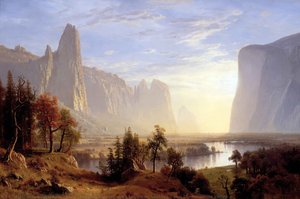
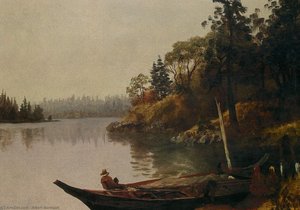
Über den Künstler
Frühe Jahre und Ausbildung
Albert Bierstadt, ein renommierter deutsch-amerikanischer Maler, wurde am 7. Januar 1830 in Solingen, Preußen, geboren. Seine Familie wanderte aus, als er gerade einmal ein Jahr alt war, und ließ sich in New Bedford, Massachusetts, nieder. Bierstads frühes Leben war geprägt von seiner wachsenden Leidenschaft für die Kunst, und er begann bereits in jungen Jahren, clevere Kreidezeichnungen anzufertigen.Beruflicher Werdegang
Bierstads künstlerische Karriere nahm 1851 Fahrt auf, als er mit dem Malen in Öl begann. Er kehrte 1853 nach Deutschland zurück, um mehrere Jahre lang in Düsseldorf an seiner Maltechnik zu arbeiten, was seinen Stil maßgeblich beeinflusste. Nach seiner Rückkehr in die Vereinigten Staaten wurde Bierstadt Teil der Hudson River School, einer Gruppe von Gleichgesinnten, die sich darauf konzentrierten, die majestätischen Landschaften des Hudson River Valley festzuhalten. 1858 stellte Bierstadt ein großes Gemälde einer Schweizer Landschaft im National Academy of Design aus und erlangte positive Kritiken sowie eine Ehrennmitgliedschaft in der Akademie. Seine anschließenden Reisen in den amerikanischen Westen mit Frederick W. Lander und Fitz Hugh Ludlow inspirierten seine ikonischen Landschaften, die die Pracht des amerikanischen Westens zeigten.Wichtige Werke und Ausstellungen
- Western Landscape: Ein Beweis für Bierstads Können bei der Darstellung der weiten Landschaften des amerikanischen Westens.
- Coastal Scene: Demonstriert Bierstads Fähigkeit, die Schönheit der amerikanischen Küste zu vermitteln.
Einflüsse und Stilentwicklung
Bierstads technische Fertigkeiten, die er durch sein Studium europäischer Landschaftsmalerei erworben hatte, waren entscheidend für seinen Erfolg als Maler des amerikanischen Westens. Er wurde stark von der Hudson River School beeinflusst, insbesondere von Künstlern wie Thomas Cole und Frederic Church. Sein Stil zeichnete sich durch detaillierte Darstellungen, dramatische Lichteffekte und eine romantische Interpretation der Natur aus. Bierstadt war ein Meister des Luminismus, einer Maltechnik, die darauf abzielt, die subtilen Effekte von Licht und Atmosphäre einzufangen.Vermächtnis und Bedeutung
Bierstads immense Leinwände, entstanden nach seinen Reisen mit Lander und Ludlow, etablierten ihn als den herausragenden Maler der westamerikanischen Landschaft. Seine Werke trugen dazu bei, das Image des amerikanischen Westens im Bewusstsein der Öffentlichkeit zu prägen und die Romantik des unberührten Landes zu feiern. Obwohl Bierstads Kunst manchmal für ihre idealisierte Darstellung kritisiert wurde, bleibt er eine bedeutende Figur in der Geschichte der amerikanischen Kunst und ein wichtiger Vertreter der Hudson River School. Wichtige Fakten:- Geboren: 7. Januar 1830, Solingen, Preußen
- Gestorben: 18. Februar 1902
- Nationalität: Deutsch-Amerikaner
- Stil: Landschaftsmalerei, Hudson River School
- Bemerkenswerte Werke: Western Landscape, Coastal Scene
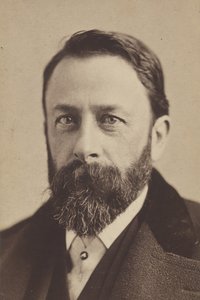
Albert Bierstadt
1830 - 1902 , Deutschland
Kurzinfos
- Beeinflusste Künstler: ['Frederick W. Lander']
- Bemerkenswerte Werke:
- Western Landscape
- Coastal Scene
- Geburtsdatum: 7. Januar 1830
- Geburtsort: Solingen, Deutschland
- Künstlerische Richtung: Landschaftsmalerei, Hudson River School
- Nationalität: Deutsch-Amerikanisch
- Sterbedatum: 18. Februar 1902
- Vollständiger Name: Albert Bierstadt
- Von Künstlern Beeinflusst: ['Europäische Landschaftskunst']
Ähnliche Artikel
Albert Bierstadt: Lichtmalerei der amerikanischen Landschaft und die Idealisierung des Westens
Entdecken Sie die beeindruckende Welt von Albert Bierstadt und der Hudson River School! Erfahren Sie mehr über Lichtmalerei, Idealisierung des Westens und den Einfluss dieser Künstler auf die amerikanische Kunstgeschichte. Jetzt lesen!

Romantische Landschaften: Die 10 Meisterwerke, die eine Epoche prägten | ArtsDot
Entdecken Sie die 10 Meisterwerke der Romantischen Landschaftsmalerei! Von Caspar David Friedrich bis Turner – erleben Sie die Kunst, Emotion & Natur. Hochwertige Reproduktionen auf ArtsDot.com
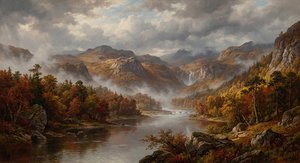
Die 10 Meisterwerke der Hudson River School: Kunst für Ihr Zuhause | ArtsDot
Entdecken Sie die 10 prägendsten Meisterwerke der Hudson River School! Erfahren Sie mehr über Thomas Cole, Frederic Church & Co. und ihre atemberaubenden Landschaftsbilder. Hochwertige Kunstdrucke für Ihr Zuhause – jetzt auf ArtsDot.com!

Evocations of Place: A Historical Journey Through Landscape Art
Explore the rich history of landscape art with ArtsDot. Discover renowned artists, movements like Impressionism & Romanticism, and expert guidance for collecting timeless pieces. Find your perfect serene escape today!
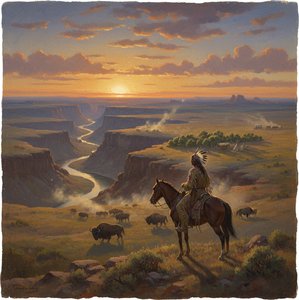
Henry Farny: Romantic Visions of the American West & Indigenous Life
Explore the evocative paintings of Henry Farny, renowned for his romantic realism & depictions of Native American life in the 19th-century West. Discover his legacy and key artworks at ArtsDot.