 Vorschau anzeigen
 Versenden
 Teilen
 Details anzeigen

 Herunterladen
 Ähnliche Objekte
 Röntgenaufnahme
 Diashow
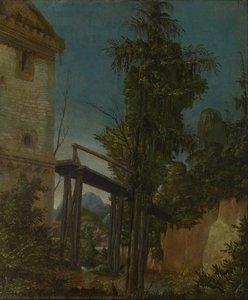
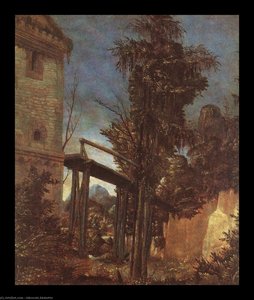
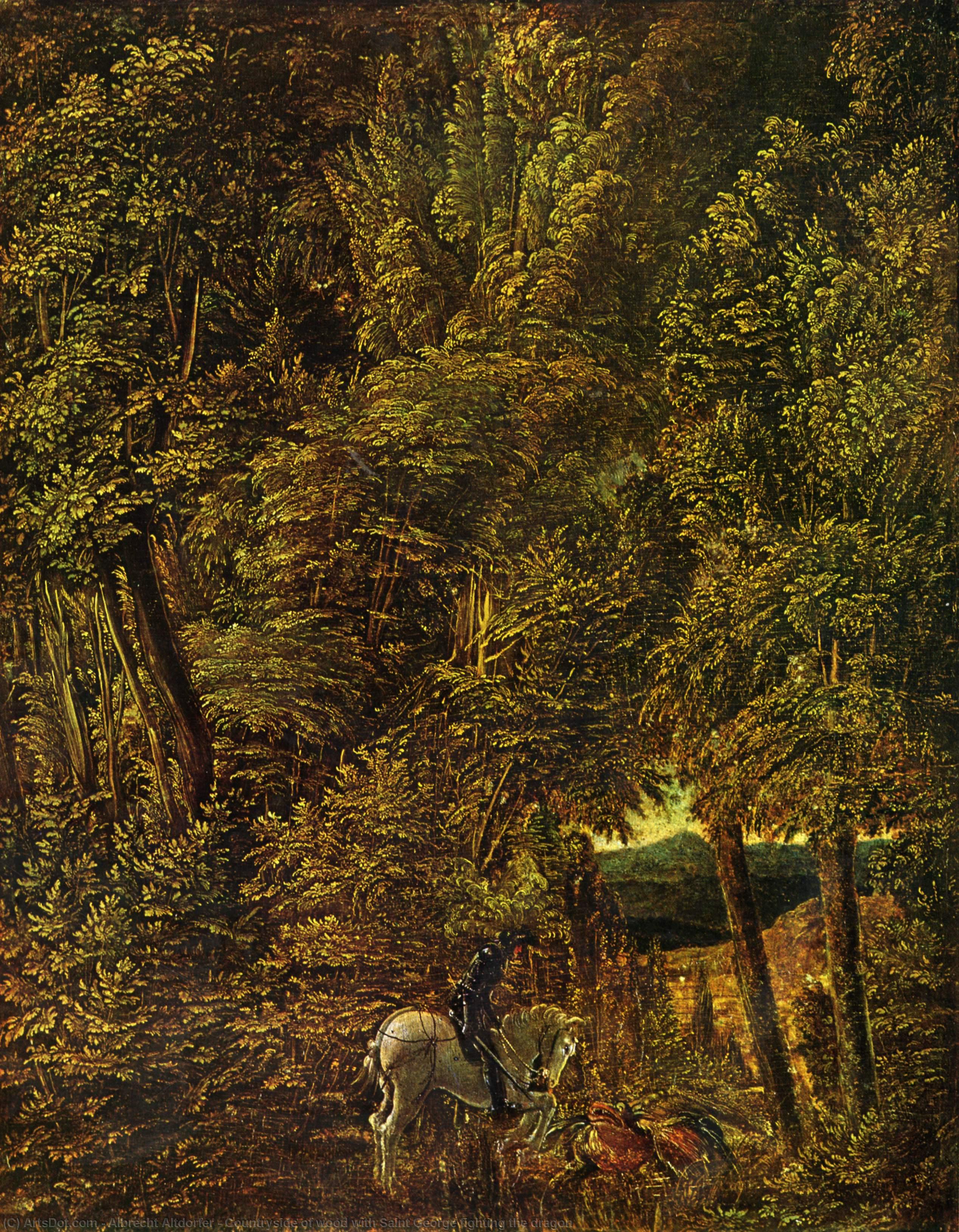
Countryside of wood with Saint George fighting the dragon


 Weiterlesen
Giclée / Kunstdruck
Giclée- oder Leinwanddruck in Museumsqualität mit schneller Produktion und flexiblen Veredelungsoptionen. ( Handgemalte Reproduktion bestellen Bild kaufen)




P118B $10

P118H $10

P118W $10

P438Z $10

P508JH $12

P508YH $12

P805H $10

P805Z $10

P919BZ $10

P919G $10

P919XJ $10

P959ZH $10

P968JZ $12

W106C $8

W218G $10

W218JH $8

W218Y $10

W307PJ $10

W316G $10

W316PJ $8

W316Y $10

W398PJ $8

W4111J $10

W500HY $15

W500JH $15

W692G $12

W849H $8

W940BG $15

W953PJ $8




Wählen Sie aus unseren vordefinierten Formaten, die den ursprünglichen Proportionen des Kunstwerks entsprechen.

Sie können Ihre eigenen Maße eingeben, um ein bestimmtes Format oder einen speziellen Platz einzupassen. Wenn das von Ihnen gewählte Format nicht den Proportionen des Originalbildes entspricht, werden wir das Kunstwerk entweder beschneiden oder das Bild mit einem gespiegelten oder einfarbigen Rand erweitern. Ein digitaler Entwurf wird Ihnen zur Genehmigung zugesandt, bevor die Produktion beginnt.
Bitte beachten Sie, dass die Vorschau auf dem Bildschirm nicht den tatsächlichen Zuschnitt oder die Erweiterung widerspiegelt. Nur der Entwurf zeigt die endgültige Komposition präzise an.
Obwohl Sondermaße verfügbar sind, empfehlen wir die Auswahl eines Maßes aus der vordefinierten Liste, um die ursprünglichen Proportionen zu bewahren.
Weltweiter Versand () innerhalb von 2 Wochen statt der üblichen 4/5 Wochen. (3 September)

Kostenloser weltweiter Expressversand

Hochwertige Leinenleinwand

Umfassender Versicherungsschutz beim Versand

Zollgebühren-Rückerstattungsgarantie

Garantie für exakte Farbtreue

60 Tage Rückgaberecht (nur bei Mängeln)

100% Geld-zurück-Garantie

Mengenrabatt verfügbar
 Die Glasoption ist nur für Größen unter 110 cm verfügbar.

Countryside of wood with Saint George fighting the dragon
Giclée / Kunstdruck
Format der Reproduktion
-


Gesamtpreis
$ 62
A Verdant Stage for Heroic Struggle
In the quiet, sprawling expanse of Albrecht Altdorfer’s Countryside of wood with Saint George fighting the dragon, we find ourselves transported to a world where the boundaries between the natural landscape and divine myth are beautifully blurred. Painted around 1510, this masterpiece serves as a breathtaking testament to the Northern Renaissance's profound intimacy with nature. At first glance, the eye is drawn into a lush, immersive thicket of trees and dense foliage that seems to breathe with life. Yet, nestled within this serene greenery, a dramatic tension unfolds. The silhouette of a knight on horseback, poised in the midst of his legendary confrontation with the dragon, emerges not as a separate entity from the woods, but as an integral part of the ecosystem itself. It is a scene where the epic scale of legend meets the delicate, tactile reality of the German countryside.
Altdramatically, Altdorfer utilizes the landscape not merely as a backdrop, but as a living protagonist. The composition is masterfully balanced; while the horseman moves toward the left, the weight of the dense forest and the movement of the sky pull the viewer’s gaze across the canvas. Scattered throughout this verdant realm are tiny, meticulously rendered birds—some soaring through the hazy atmosphere, others resting quietly on mossy branches. These small details imbue the painting with a sense of profound stillness and vitality, suggesting that even in the heat of a holy battle, the natural world continues its eternal, rhythmic cycle. For the discerning collector or interior designer, this piece offers a rare duality: it possesses the quietude necessary for a contemplative space, yet holds enough narrative power to serve as a commanding focal point in any grand gallery.
The Mastery of the Danube School
As a pioneer of the Danube School, Altdorfer’s technique in this work showcases his revolutionary approach to landscape painting. Moving away from the rigid, symbolic landscapes of the late Gothic period, he embraces a more atmospheric and observational style. The way light filters through the canopy and the subtle gradations of green and brown create a sense of depth that feels almost tactile. His ability to render the textures of bark, leaf, and feather demonstrates a technical virtuosity that was ahead of its time, bridging the gap between medieval storytelling and Renaissance naturalism. This mastery of light and organic form makes a high-quality reproduction of this work an exquisite choice for those looking to introduce a sense of historical depth and organic elegance into their decor.
Beyond its aesthetic beauty, the painting carries a heavy symbolic weight. The struggle of Saint George against the dragon is a timeless allegory for the triumph of good over evil, of faith over chaos. However, by placing this cosmic battle within such a detailed, earthly setting, Altdorfer suggests that the divine struggle is ever-present in the very fabric of our natural world. To possess a reproduction of this work is to invite a piece of history into one's home—a piece that celebrates the resilience of spirit and the enduring, magnificent beauty of the earth itself.
Ähnliche Kunstwerke
Über den Künstler
Frühe Jahre und Karriere
Albrecht Altdorfer, ein renommierter deutscher Maler, Grafiker und Architekt, wurde um 1480 in Regensburg, Bayern, geboren. Sein Vater, Ulrich Altdorfer, ein Maler und Miniaturist, beeinflusste sein Interesse an der Kunst wahrscheinlich schon in jungen Jahren.Aufstieg zur Bedeutung
Altdorfers künstlerische Karriere gewann mit der Schaffung kleiner, intimer Werke in unkonventionellen Medien an Fahrt. Er ließ sich 1505 in Regensburg nieder und wurde schließlich Stadtarchitekt und Stadtrat. Seine ersten signierten Werke, darunter Stiche und Zeichnungen wie die *Stygmata des Heiligen Franziskus* und *Der heilige Hieronymus*, stammen aus dem Jahr um 1506.Beitrag zur Donauschule
Altdorfer gilt als einer der Hauptvertreter der Donauschule, einem Kreis, der die Landschaft als eigenständiges Genre in Süddeutschland begründete. Seine Reisen entlang des Donau-Flusses und in die Alpen im Jahr 1511 inspirierten ihn dazu, der erste Landschaftsmaler im modernen Sinne zu werden und leitete so die Donauschule ein.Bemerkenswerte Werke und Kooperationen
- Die Schlacht Alexanders von Issos (1529) für Herzog Wilhelm IV. von Bayern
- Zusammenarbeit mit Maximilian I. in Innsbruck ab 1513
- Beeinflusst von Künstlern wie Giorgione und Lucas Cranach, was sich in seinen Kreuzigungsdarstellungen zeigt
Museumsbestände und Vermächtnis
- Das Museum Ostdeutsche Galerie (Deutschland) beherbergt Altdorfers Werke, darunter die *Madonna (Schöne Maria von Regensburg)*
- Die Kunstsammlungen und Museen Augsburg (Österreich) zeigen ebenfalls seine Kunst
- Altdorfers Vermächtnis erstreckt sich über seine 55 Panels, 120 Zeichnungen und zahlreiche Stiche hinaus, mit einem bleibenden Einfluss auf die deutsche Renaissance.
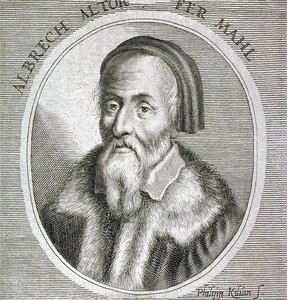
Albrecht Altdorfer
1480 - 1538 , Deutschland
Kurzinfos
- Bemerkenswerte Kunstwerke:
- Die Schlacht Alexanders von Issos
- Madonna (Schöne Maria von Regensburg)
- Geburtsdatum: um 1480
- Geburtsort (Stadt, Land): Regensburg, Deutschland
- Künstler Oder Bewegungen, Die Von Diesem Künstler Beeinflusst Wurden: ['Deutsche Landschaftsmalerei']
- Künstler, Die Diesen Künstler Beeinflussten:
- Giorgione
- Lucas Cranach der Ältere
- Künstlerische Bewegung/Stil: Deutsche Renaissance, Donauschule
- Nationalität: Deutsch
- Todatum: 1538
- Vollständiger Name: Albrecht Altdorfer
Ähnliche Artikel
Albrecht Dürer: Die 25 Meisterwerke des Renaissance-Genies – Für Kunstliebhaber & Ihr Zuhause
Entdecken Sie die 25 Meisterwerke von Albrecht Dürer! Tauchen Sie ein in die Welt der Renaissance, Holzschnitte & Kupferstiche. Finden Sie hochwertige Kunstdrucke und Reproduktionen für Ihr Zuhause auf ArtsDot.com.
Georges Braque: Die 25 Meisterwerke des Kubismus für Ihr Zuhause | ArtsDot
Entdecken Sie die 25 bedeutendsten Kunstwerke von Georges Braque – vom Kubismus bis zum Fauvismus. Erfahren Sie die Geschichten hinter den Meisterwerken und finden Sie hochwertige Reproduktionen für Ihr Zuhause auf ArtsDot.com.
Georges Seurat: Die 25 Meisterwerke des Pointillismus für Ihr Zuhause | ArtsDot
Entdecken Sie die 25 ikonischsten Meisterwerke von Georges Seurat! Tauchen Sie ein in die Welt des Pointillismus, der Farbtheorie und des Impressionismus. Hochwertige Kunst reproduzieren für Ihr Zuhause – jetzt auf ArtsDot.com!
Albrecht Altdorfer: Innovation, Spiritualität und die Landschaft der Nördlichen Renaissance
Entdecken Sie Albrecht Altdorfers revolutionäre Landschaftsmalerei und die spirituelle Tiefe der Donauschule. Expertenanalyse, historische Hintergründe & Einfluss auf die Kunstgeschichte – jetzt lesen!
The Northern Awakening: Artistic Innovation & Cultural Transformation in the German Renaissance
Explore the artistic innovation of the German Renaissance! Discover Dürer, the Danube School & Reformation art. Learn about techniques, materials & lasting influence. Find museum-quality reproductions at ArtsDot.