 Vorschau anzeigen
 Versenden
 Teilen
 Details anzeigen

 Herunterladen
 Ähnliche Objekte
 Röntgenaufnahme
 Diashow
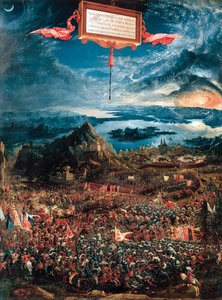
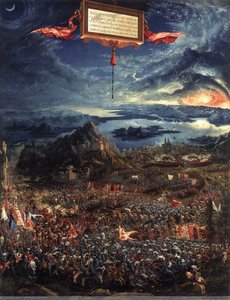
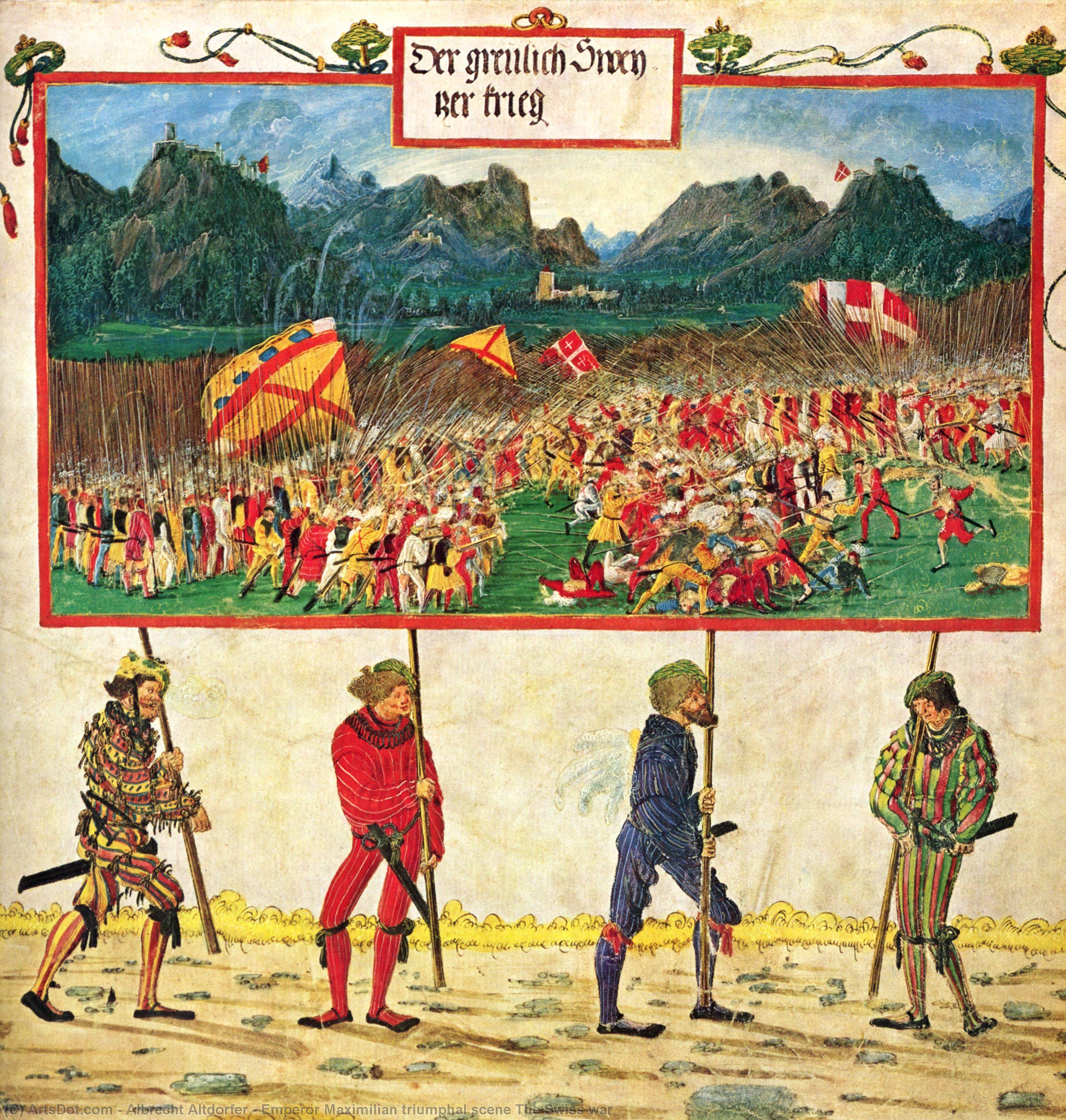
Emperor Maximilian triumphal scene The Swiss war


 Weiterlesen
Giclée / Kunstdruck
Giclée- oder Leinwanddruck in Museumsqualität mit schneller Produktion und flexiblen Veredelungsoptionen. ( Handgemalte Reproduktion bestellen Bild kaufen)




P118B $10

P118H $10

P118W $10

P438Z $10

P508JH $12

P508YH $12

P805H $10

P805Z $10

P919BZ $10

P919G $10

P919XJ $10

P959ZH $10

P968JZ $12

W106C $8

W218G $10

W218JH $8

W218Y $10

W307PJ $10

W316G $10

W316PJ $8

W316Y $10

W398PJ $8

W4111J $10

W500HY $15

W500JH $15

W692G $12

W849H $8

W940BG $15

W953PJ $8




Wählen Sie aus unseren vordefinierten Formaten, die den ursprünglichen Proportionen des Kunstwerks entsprechen.

Sie können Ihre eigenen Maße eingeben, um ein bestimmtes Format oder einen speziellen Platz einzupassen. Wenn das von Ihnen gewählte Format nicht den Proportionen des Originalbildes entspricht, werden wir das Kunstwerk entweder beschneiden oder das Bild mit einem gespiegelten oder einfarbigen Rand erweitern. Ein digitaler Entwurf wird Ihnen zur Genehmigung zugesandt, bevor die Produktion beginnt.
Bitte beachten Sie, dass die Vorschau auf dem Bildschirm nicht den tatsächlichen Zuschnitt oder die Erweiterung widerspiegelt. Nur der Entwurf zeigt die endgültige Komposition präzise an.
Obwohl Sondermaße verfügbar sind, empfehlen wir die Auswahl eines Maßes aus der vordefinierten Liste, um die ursprünglichen Proportionen zu bewahren.
Weltweiter Versand () innerhalb von 2 Wochen statt der üblichen 4/5 Wochen. (27 August)

Kostenloser weltweiter Expressversand

Hochwertige Leinenleinwand

Umfassender Versicherungsschutz beim Versand

Zollgebühren-Rückerstattungsgarantie

Garantie für exakte Farbtreue

60 Tage Rückgaberecht (nur bei Mängeln)

100% Geld-zurück-Garantie

Mengenrabatt verfügbar
 Die Glasoption ist nur für Größen unter 110 cm verfügbar.

Emperor Maximilian triumphal scene The Swiss war
Giclée / Kunstdruck
Format der Reproduktion
-


Gesamtpreis
$ 62
Sammlerstück-Beschreibung
A Grand Spectacle of Imperial Glory
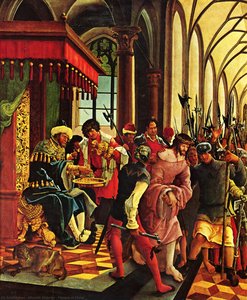
In the sweeping expanse of Albrecht Altdorfer’s Emperor Maximilian triumphal scene The Swiss war, the viewer is transported to a moment of profound historical weight and celebratory splendor. This masterpiece captures the essence of a victory parade, where the rugged beauty of the landscape meets the structured pageantry of the Holy Roman Empire. As the eye wanders across the canvas, it encounters a vast assembly of figures—soldiers, courtiers, and onlookers—gathered within a verdant field that stretches toward a majestic mountain range. The composition is not merely a record of an event but a carefully orchestrated drama, where the stillness of the alpine backdrop contrasts with the kinetic energy of the gathered masses. Altdorfer, a pioneer of the Danube School, utilizes the natural world not just as a setting, but as a silent witness to the unfolding human triumph.
The technique employed in this work reflects the meticulous precision characteristic of the Northern Renaissance. Through delicate brushwork and a sophisticated command of light, Altdorfer breathes life into the textures of fabric, steel, and earth. The flags, fluttering prominently against the sky, serve as vibrant focal points that guide the viewer's gaze through the complex arrangement of the crowd. One can almost feel the crisp mountain air and hear the distant clamor of celebration. For the discerning collector or interior designer, this piece offers a profound sense of depth; its ability to command attention through intricate detail while maintaining a harmonious atmospheric perspective makes it an unparalleled centerpiece for any curated space.
Symbolism and the Legacy of the Danube School
Beyond its surface beauty, the painting is steeped in the political and symbolic language of the 16th century. The presence of Emperor Maximilian I is central to the narrative, representing the stability and divine right of the Habsburg lineage during a period of intense European conflict. The triumphal scene serves as propaganda, immortalizing a moment of strength and unity amidst the turbulence of the Swiss wars. Every element, from the kneeling figures expressing reverence to the strategic placement of imperial banners, is designed to evoke feelings of awe and legitimacy. Altdoryer’s ability to weave these political undertones into a breathtaking landscape creates a multi-layered experience that rewards deep contemplation.
For those looking to bring a piece of history into their homes, this reproduction offers more than just decoration; it provides an emotional connection to the dawn of the German Renaissance. The artwork embodies a sense of timelessness, bridging the gap between the medieval tradition and the burgeoning humanism of the Renaissance. Whether placed in a formal study or a grand living hall, the painting’s rich palette and epic scale inspire a sense of wonder and intellectual curiosity, making it an exquisite choice for those who appreciate art that tells a story as much as it defines a space.
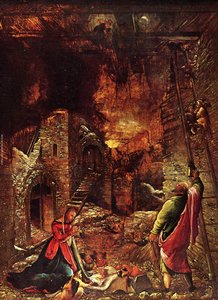
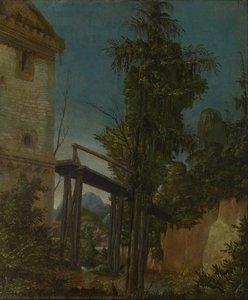
Ähnliche Kunstwerke
Über den Künstler
Frühe Jahre und Karriere
Albrecht Altdorfer, ein renommierter deutscher Maler, Grafiker und Architekt, wurde um 1480 in Regensburg, Bayern, geboren. Sein Vater, Ulrich Altdorfer, ein Maler und Miniaturist, beeinflusste sein Interesse an der Kunst wahrscheinlich schon in jungen Jahren.Aufstieg zur Bedeutung
Altdorfers künstlerische Karriere gewann mit der Schaffung kleiner, intimer Werke in unkonventionellen Medien an Fahrt. Er ließ sich 1505 in Regensburg nieder und wurde schließlich Stadtarchitekt und Stadtrat. Seine ersten signierten Werke, darunter Stiche und Zeichnungen wie die *Stygmata des Heiligen Franziskus* und *Der heilige Hieronymus*, stammen aus dem Jahr um 1506.Beitrag zur Donauschule
Altdorfer gilt als einer der Hauptvertreter der Donauschule, einem Kreis, der die Landschaft als eigenständiges Genre in Süddeutschland begründete. Seine Reisen entlang des Donau-Flusses und in die Alpen im Jahr 1511 inspirierten ihn dazu, der erste Landschaftsmaler im modernen Sinne zu werden und leitete so die Donauschule ein.Bemerkenswerte Werke und Kooperationen
- Die Schlacht Alexanders von Issos (1529) für Herzog Wilhelm IV. von Bayern
- Zusammenarbeit mit Maximilian I. in Innsbruck ab 1513
- Beeinflusst von Künstlern wie Giorgione und Lucas Cranach, was sich in seinen Kreuzigungsdarstellungen zeigt
Museumsbestände und Vermächtnis
- Das Museum Ostdeutsche Galerie (Deutschland) beherbergt Altdorfers Werke, darunter die *Madonna (Schöne Maria von Regensburg)*
- Die Kunstsammlungen und Museen Augsburg (Österreich) zeigen ebenfalls seine Kunst
- Altdorfers Vermächtnis erstreckt sich über seine 55 Panels, 120 Zeichnungen und zahlreiche Stiche hinaus, mit einem bleibenden Einfluss auf die deutsche Renaissance.
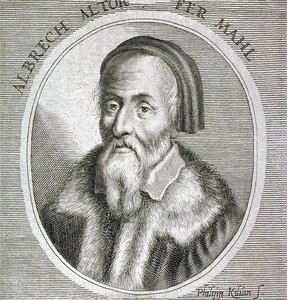
Albrecht Altdorfer
1480 - 1538 , Deutschland
Kurzinfos
- Bemerkenswerte Kunstwerke:
- Die Schlacht Alexanders von Issos
- Madonna (Schöne Maria von Regensburg)
- Geburtsdatum: um 1480
- Geburtsort (Stadt, Land): Regensburg, Deutschland
- Künstler Oder Bewegungen, Die Von Diesem Künstler Beeinflusst Wurden: ['Deutsche Landschaftsmalerei']
- Künstler, Die Diesen Künstler Beeinflussten:
- Giorgione
- Lucas Cranach der Ältere
- Künstlerische Bewegung/Stil: Deutsche Renaissance, Donauschule
- Nationalität: Deutsch
- Todatum: 1538
- Vollständiger Name: Albrecht Altdorfer
Ähnliche Artikel

William Owen: A Poetic Vision of War & Landscape in British Modernism
Explore the poignant war poetry of Wilfred Owen, a key figure in British Modernism. Discover his innovative style, themes of loss & camaraderie, and lasting impact on 20th-century literature. Analysis & historical context included.
Vasily Vereshchagin: Realism, War & Subversion in 19th-Century Russian Painting
Explore the powerful realism of Vasily Vereshchagin's war paintings & Central Asian scenes. Discover how this Russian master challenged artistic conventions and offered a brutal, honest depiction of 19th-century conflict. Learn about his legacy for discerning collectors.
C.R.W. Nevinson: A Vorticist Vision of War & Modernity
Explore the powerful art of C.R.W. Nevinson, a key British Vorticist painter. Discover his impactful depictions of WWI and evolution beyond Futurism. Expert analysis & high-quality reproductions at ArtsDot.
Echoes of Trauma & Hope: Representing Transformation in Artworks of 1918
Explore the profound artistic responses to World War I's trauma & hope. Discover Expressionist masterpieces by Bacon, de Kooning & more. Expert insights for collectors & art enthusiasts at ArtsDot.
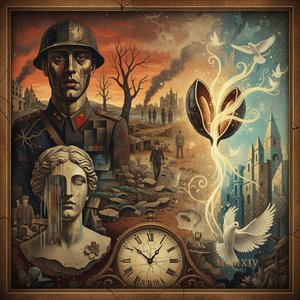
Echoes of a World on the Brink: Trauma & Transformation in 1914 Art
Explore how artists responded to the trauma of World War I in 1914. Discover modernism's emergence, symbolic representations of loss, and the enduring legacy of a world forever changed. Expert analysis & insights.